



 NEWS
NEWS
NEWS
NEWS
NEWS

Microsoft has been struggling to get their search engine’s popularity up in a market dominated by Google. Since its launch in 2009, Bing showed 11.8% of the search market by November, up slightly from 11.5% in October. During an event in San Francisco, Microsoft unveiled a series of tools and huge innovations added to their search engine with the intent of capturing the attention of the mobile scene.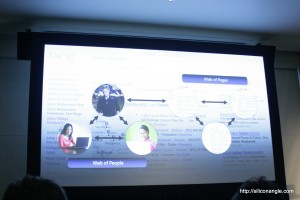
We’ve seen a series of amazing iPhone apps—with the promise that they’ll be coming out soon, with the tools released for other handsets shortly thereafter—that will probably do some amazing things for the service:
Bing Vision, makes use of the camera on the phone in order to bring the outside world into the search paradigm by allowing users to identify text and barcodes from objects. Given a barcode, the tool mimics many others that permit users to identify a product and view purchase information online (such as price check, shipping, etc.) The more intriguing part of this, however, involves scanning over text, which enables the user to search text directly from an image. An article could be scanned and information from it plugged directly from optical character recognition (the tool does this on the fly) and fed into the Bing search engine.
Panorama Maker, with the use of the camera on the phone, the user can construct a panorama view of the area around them by stitching together multiple images. The interface looks a little bit tedious forcing the user to press the screen for each sub-picture (it would be nice if it could just sample as the person scanned). After it’s done, a very nice photo can be flattened and produced.
Streetside View, part of a huge series of mapping enhancements similar to Google’s Streetview that gives the user an image of what the street looks like with a wide panorama from given points along routes. This might be integrated also with a local check-in function that mimics already-presented technologies like Facebook places, but information on this is sketchy.
This is all part of a huge push from Bing to update their search engine to generate a more social experience for users. All this week we’ve seen Microsoft updating and upgrading their search engine including a tight integration with Facebook, causing “Likes” to become part of search results. Right now, even backed by a huge corporation, Bing still lacks any sort of popular momentum and lives in a pond with some extremely big fish such as Google and Yahoo—who together make up over 80 percent of the market.
CNET TV has an excellent visual round up of some of these expected tools, so be sure to take a look:
… We’d like to tell you about our mission and how you can help us fulfill it. SiliconANGLE Media Inc.’s business model is based on the intrinsic value of the content, not advertising. Unlike many online publications, we don’t have a paywall or run banner advertising, because we want to keep our journalism open, without influence or the need to chase traffic.The journalism, reporting and commentary on SiliconANGLE — along with live, unscripted video from our Silicon Valley studio and globe-trotting video teams at theCUBE — take a lot of hard work, time and money. Keeping the quality high requires the support of sponsors who are aligned with our vision of ad-free journalism content.
If you like the reporting, video interviews and other ad-free content here, please take a moment to check out a sample of the video content supported by our sponsors, tweet your support, and keep coming back to SiliconANGLE.






