



 NEWS
NEWS
NEWS
NEWS
NEWS

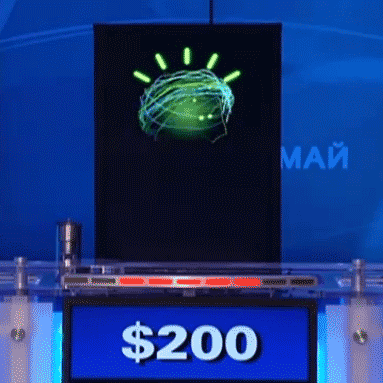
It appears that IBM has pulled off a public relations masterpiece with their computer hardware and software placed inside of the TV game show Jeopardy. IBM’s “Watson” (which is a cluster of 90 high-end computers each based the four IBM Power7 processors and very sophisticated software), has managed to defeat two of the best human Jeopardy players in history and video clips are all over the Internet and YouTube.
The implication of Watson is that computers might soon have sufficient intelligence and computing power to listen and respond on more of a human level. The commercial implications of this technology are huge in every sector such as IT and healthcare. It won’t replace humans making the most critical decisions and working at the highest levels, but it could potentially serve as first level support. IBM posted a series of videos that discuss the commercial ramifications of the technology used in Watson.
So now that IBM has demonstrated this level of software intelligence and given us a peek into the future, the question is how long before the computing power is cheap enough to deploy on a more massive scale. We know that each one of the 90 servers that comprise Watson are about 3 times faster than the more common x86 servers used by businesses which means it’s probably 12 times faster than a high-end home computer or 48 times faster than a typical laptop. But with 90 of those IBM servers, that means Watson is roughly 4320 times faster than a typical laptop. Laptops will have to double in performance 12 times before they are as fast as Watson. If we assume 18 months for every doubling of performance, it will take 18 years which means the world will be radically different when today’s children reach adulthood.
[Cross-posted at Digital Society]
… We’d like to tell you about our mission and how you can help us fulfill it. SiliconANGLE Media Inc.’s business model is based on the intrinsic value of the content, not advertising. Unlike many online publications, we don’t have a paywall or run banner advertising, because we want to keep our journalism open, without influence or the need to chase traffic.The journalism, reporting and commentary on SiliconANGLE — along with live, unscripted video from our Silicon Valley studio and globe-trotting video teams at theCUBE — take a lot of hard work, time and money. Keeping the quality high requires the support of sponsors who are aligned with our vision of ad-free journalism content.
If you like the reporting, video interviews and other ad-free content here, please take a moment to check out a sample of the video content supported by our sponsors, tweet your support, and keep coming back to SiliconANGLE.






