





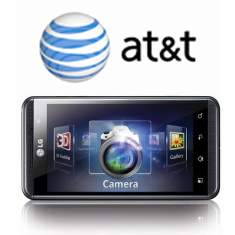
 It looks as if AT&T has decided to get in on the 3D action along with Nintendo—who have announced U.S. the arrival of the 3DS gaming platform this month—by revealing their own phone with a 3D display: the Thrill 4G. It will also support a glasses-free screen that permits viewers to see three-dimensional images without having to resort to those silly 3D glasses.
The appeal is obvious and, according to Time’s coverage, AT&T suggests that it will arrive sometime this year,
Due in “the coming months,” the Thrill 4G’s 3D display measures 4.3-inches and renders from a dual-core 1 GHz processor. The phone features 16GB of memory (8 onboard, 8 via a MicroSD card), a 5-megapixel dual-camera that supports both 3D high-definition video (720p) and still images, an HDMI-out port or wireless DLNA streaming for video playback, Android OS 2.2 (aka “Froyo”) and the ability to tap into AT&T’s fledgling high-speed 4G network.
3D high-definition video? Support for 720p video on a handheld isn’t unknown, but there isn’t much of a market yet for anything 3D video to any device, so that’s an interesting development. Last we heard the Nintendo 3DS expected to allow for 3D video streaming with Netflix, so AT&T might be in for making a deal with them as well. Since the camera’s themselves are stereoscopic, this means the phone will be able to take 3D video and export it to other devices—when do we get the first 3D capable YouTUBE? Right now the idea is a little gimmicky.
Looking at the device, it also looks like a huge win for Android. If the Nintendo 3DS does well in the States; then it will likely serve to bolster Android’s ties with the gaming and entertainment industry. It’ll probably also serve to deliver Google an even more impressive share of the market.
Of course, there’s still walking concerns that the 3D screen might cause visual impairments in people who use the phones. (As per Nintendo’s warning about young children and 3D screens for the 3DS.) In fact, I can already see a bigger impact for people who use these devices while driving. As it’s been described about the 3DS that it takes a moment to adjust from the 3D illusion to proper vision, hopefully people won’t take their bad texting habits to the Thrill. Meanwhile, AT&T urges users and parents to “speak with a physician” if dizziness, vertigo, or eyesight troubles ensue from using their platform.
We just haven’t seen enough use of handheld 3D systems yet to know if there is any health effects to worry about, so the disclaimer seems readily warranted.
Who knows, maybe AT&T hopes their phone will distract us from their imminent merger with T-Mobile and the “regulatory nightmare” that’s going to bring down; or they’re trying to ride the coattails of Nintendo into the 3D market no matter how their national broadband plans go.
Whatever the case, being the first wireless provider to innovate these new 3D screens will certainly not hurt their bottom line.
… We’d like to tell you about our mission and how you can help us fulfill it. SiliconANGLE Media Inc.’s business model is based on the intrinsic value of the content, not advertising. Unlike many online publications, we don’t have a paywall or run banner advertising, because we want to keep our journalism open, without influence or the need to chase traffic.The journalism, reporting and commentary on SiliconANGLE — along with live, unscripted video from our Silicon Valley studio and globe-trotting video teams at theCUBE — take a lot of hard work, time and money. Keeping the quality high requires the support of sponsors who are aligned with our vision of ad-free journalism content.
If you like the reporting, video interviews and other ad-free content here, please take a moment to check out a sample of the video content supported by our sponsors, tweet your support, and keep coming back to SiliconANGLE.






