



 NEWS
NEWS
NEWS
NEWS
NEWS

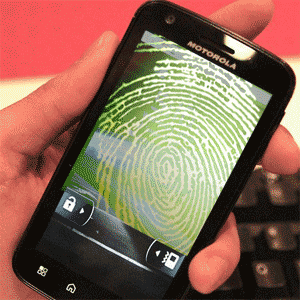 It’s disquieting how scattered minute pieces of who are can reconstructed and extracted from our smartphones. With GPS and location services integrated into our smartphones that track where we’ve been, authorities can easily peep into our private lives. It’s no wonder if someone becomes a suspect of a crime, one of the first things that the police confiscate is their smartphone. The information stored therein could make or break a person’s alibi—or even open them up to further prosecution.
Apple and Android may repudiate this kind of feature, flaunted carelessly on their phones, but police and forensic experts that dissect evidence within these devices speak otherwise. Securing evidence from handsets became one of the top training requirements for police officers last year, with over 3,500 officers taking classes in the subject each year. Securing and retaining data from mobile phones is considered trickier than from personal computers.
An article in PC Pro, an online UK magazine, outlines how smartphone technology is affected by law enforcement the UK; but for US citizens it’s important to keep in mind we’ve seen similar motions in the States as well. Some difference’s may apply, but more-and-more smartphones have become a large part of police investigation.
“From what we see, 18 months or two years ago the proportion of smartphones we were seeing compared to PCs was very small,” said Phil Ridley, a mobile phone analyst withCCL-Forensics. “Now it’s well over half the devices that we see. We see both prosecution and defence – as well as private cases.”
To add insult to injury, there is little privacy protection to stop authorities from forcing their way through your private life via smartphones—provided that reasonable suspicion about a subject can be articulated. There’s just so much in one’s smartphone that can stand as evidence in court and standard warrants often cover the entire phone’s storage and not just narrow segments of the data.
“The baseline rule has to be that there is a reasonable suspicion that an offence has been committed for a phone to be inspected and to do an on-the-spot search,” said Tracey Stretton, legal consultant for data-recovery specialist Kroll Ontrack. “If you see a man after a car accident, you wouldn’t need a warrant because you could have a reasonable suspicion that a traffic offence had been committed.”
Knowing that smartphones can be ready windows for breaking into our personal lives, Apple received its first tracking issue lawsuit from Vikram Ajjampur and William Devito, iPhone user and Apple user respectively. They claim that had they known Apple would track and store their location, they wouldn’t have bought the device. Apple addressed the concern with iOS 4.3.3 software update and even faced congress over location tracking concerns.
Google’s Android also suffered its fair share of complaints, following Apple. The different between the two is that Apple is tracking users without them knowing at all, whereas Android asks the users of the tracking, as well as sends data to Google. Not only is your privacy deterred by smartphones, your private email is not so safe as well. It’s important for people who use electronic devices to educate themselves on how much of what they say-and-do has long-term storage and indelible effects on their privacy; and it may become important to better-check the powers of authorities over our devices.
… We’d like to tell you about our mission and how you can help us fulfill it. SiliconANGLE Media Inc.’s business model is based on the intrinsic value of the content, not advertising. Unlike many online publications, we don’t have a paywall or run banner advertising, because we want to keep our journalism open, without influence or the need to chase traffic.The journalism, reporting and commentary on SiliconANGLE — along with live, unscripted video from our Silicon Valley studio and globe-trotting video teams at theCUBE — take a lot of hard work, time and money. Keeping the quality high requires the support of sponsors who are aligned with our vision of ad-free journalism content.
If you like the reporting, video interviews and other ad-free content here, please take a moment to check out a sample of the video content supported by our sponsors, tweet your support, and keep coming back to SiliconANGLE.






