





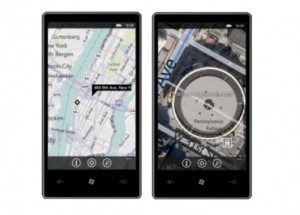
 Learn from other’s mistakes—this is currently Microsoft’s mantra, at least for their mobile location and data tracking strategy. By adjusting their geographical positioning services, Microsoft vows to their customers that Windows-based devices will now be very difficult to track. With this development, phones and laptops will no longer be constantly updating with a user’s exact locations. While location-based activity is creating a huge market opportunity for mobile, Microsoft is hesitant to take chances should they be sued, as Google and Apple have been.
In a blog post, Partner Group Manager on the Windows Phone Engineering Team, Reid Kuhn, reinforced the company’s vision on maintaining as much privacy as much as they can control.
“Microsoft’s commitment to privacy means that not only will we seek to build privacy into products, but we’ll also engage with key stakeholders in government, industry, academia and public interest groups to develop more effective privacy and data protection measures. We will continue to update our service with improvements that benefit the consumer in both positioning accuracy as well as individual privacy.”
The company is now more cautious in taking a step further on the topic of geolocation after biggies like Apple iOS and Google Android were caught in string of privacy lawsuits. Microsoft has even launched a contest that aims to attract talents that will be able to provide breakthrough and advanced security technology for Windows computers. The very attractive prize stands at $200,000.
Since early May of this year, Android has taken its share of blows, raking up class-action lawsuits and tether wars, particularly for their WiFi efforts and data collection methods. Its South Korean office was raided by authorities for alleged illegal collection of customer’s private data and user’s geographical locations. The unending tangle of complaints has indeed wounded Google, even as it deems its WiFi location service to be an essential component. Meanwhile, Apple shares a similar fate when they appeared before the US Congress to defend their case on location-tracking concerns.
Privacy in cyber-space is a hot item that concerns users around the globe. The public still wants a hint of assurance that their sensitive information will be kept in confidence, and not misused.
… We’d like to tell you about our mission and how you can help us fulfill it. SiliconANGLE Media Inc.’s business model is based on the intrinsic value of the content, not advertising. Unlike many online publications, we don’t have a paywall or run banner advertising, because we want to keep our journalism open, without influence or the need to chase traffic.The journalism, reporting and commentary on SiliconANGLE — along with live, unscripted video from our Silicon Valley studio and globe-trotting video teams at theCUBE — take a lot of hard work, time and money. Keeping the quality high requires the support of sponsors who are aligned with our vision of ad-free journalism content.
If you like the reporting, video interviews and other ad-free content here, please take a moment to check out a sample of the video content supported by our sponsors, tweet your support, and keep coming back to SiliconANGLE.






