



 NEWS
NEWS
NEWS
NEWS
NEWS

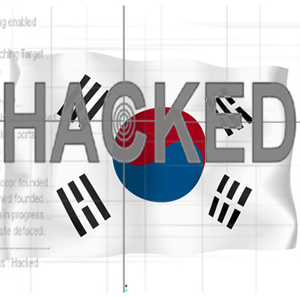 South Korea has been suffering from a series of cyber breaches that have compromised many of the company’s businesses and organizations.
The latest casualty in this series is, first, Gabia, a domain registrar, imperiling 10,000 domains and 350,000 users. Though no personal data was displayed in public, connection from websites to the domain registrar were spoiled. As usual, the hacker dumped the compromised domain on PasteBin. Most of the sites on the list now display HTTP 404 errors or do not load at all.
Next is the website of HSBC Korea: it went limp for over an hour with customers’ transaction left hanging. Epson also tipped off that its website is a suffered from the recent string of cyber attacks and advised its users to change their passwords.
The hacker operates under the name ‘TG’ who left a Twitter account and pictures on the websites defaced. It is believed that during attacks, data may have been stolen occasionally, aside from causing massive service disruptions. Korea’s Internet Security agency has reported over 6,000 cyber breaches so far this year.
Just last month, two of the Internet-connected country’s biggest leading websites—cyworld.com and nate.com–were hacked. It is believed to be the country’s largest hacking activity as it exposed personal details of 35 million Koreans. And to think Korea barely stands at a population of 50 million. Cyworld is Korea’s largest social networking site, while nate.com is a search engine running third in the country market share-wise.
Moreover, earlier this month, South Korea struggled against malicious computer software rolled out by China-based North Korean hackers hired by a South Korean crime ring. The software steals personal information which will be used to create virtual players that they’ll sell to online gamers. Hackers will cut 55 percent of the earnings. Five suspects of the scheme are already taken in by the South Korean Police.
Last month also marked a memorable event in the cyber hacking arena. Anonymous defaced 74 Turkish websites and released data of over a hundred more in an activity they branded as“Turkish Takedown Thursday”. We can also clearly recollect how the collective took down the web pages of the Syrian Ministry of Defense, leaving a message about the massacres in the country. But under the natural flow of things, retribution takes its toll and Anonymous gets a dose of its own medicine. Syrian hackers struck back and defaced its site with images of terrorism committed by Muslim Brotherhood Organization, which the Ministry claims to be who Anonymous is defending.
… We’d like to tell you about our mission and how you can help us fulfill it. SiliconANGLE Media Inc.’s business model is based on the intrinsic value of the content, not advertising. Unlike many online publications, we don’t have a paywall or run banner advertising, because we want to keep our journalism open, without influence or the need to chase traffic.The journalism, reporting and commentary on SiliconANGLE — along with live, unscripted video from our Silicon Valley studio and globe-trotting video teams at theCUBE — take a lot of hard work, time and money. Keeping the quality high requires the support of sponsors who are aligned with our vision of ad-free journalism content.
If you like the reporting, video interviews and other ad-free content here, please take a moment to check out a sample of the video content supported by our sponsors, tweet your support, and keep coming back to SiliconANGLE.






