



 NEWS
NEWS
NEWS
NEWS
NEWS

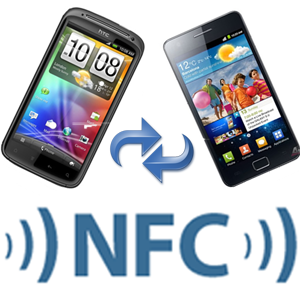 Lately, Near-Field Communications (NFC) news has been a little bit dry. The technology isn’t any longer in its infancy, but now that it’s starting to crawl it’s getting into everything (perhaps its time we put safety covers on the outlets and bundled up those loose wires.) The NFC Forum have convened and put together a new specification that should greatly simplify future NFC communications and make life a lot easier for people who have it in their phones.
How will this work?
The newly minted specification, Simple NDEF Exchange Protocol (SNEP), will enable peer-to-peer protocols for data exchanges—that means that any NFC chipset enabling this protocol (which should be all of them) can talk to any other. It will consolidate the diverging technology sets going into different NFC radios and require that all of them can communicate. As a result, there won’t be any need to negotiate with strange voodoo gods to get an Apple iPhone and a Google Android handset to talk to each other.
“By extending NDEF to peer-to-peer communications, our SNEP specification adds to the usability of NFC technology and broadens its possibilities, enabling enterprises to offer new, creative, and appealing applications to businesses and consumers,” said Koichi Tagawa, chairman of the NFC Forum.
The NFC Forum laid out a few use cases for this technology including transferring business card information upon peer-to-peer connection (much like how some of the technorati elite used to use Bluetooth.) This would also allow for extremely easy contact synchronization, hit a button here, hit a button there, bump phones, and viola done. Combine this with NFC applications like Google Wallet—which launched just this past week—and we’ll have science-fiction-like money transfers between people who have smartphones on the street.
Another use case happened to be receiving movie information from movie posters just by passing by them—the NFC chips embedded in the movie poster frame could call out and upload information when in range. Combine this with a set-top-box and NFC enabled remote-control and the movie information could then appear on the TV screen (downloaded from the public cloud automatically) for viewing. A visit to the local store could bring back with the person a plethora of upcoming movies for them to scroll through that they might not had a chance to look at while they lingered in the aisles.
Map all this onto some sort of smart agent in the phone or the set-top-box that filters according to the interests of the carrier of the NFC-enabled phone and suddenly we have a phone that sieves through advertising information as the person walks past, keeping things that reach the interest threshold of the users, dumping everything else; finally to offload it onto the set-top-box or computer when they get home so that the smartphone user can trawl their catch.
Sounds out of this world? It won’t be difficult once most smartphones run NFC technology standardized to a communication protocol.
… We’d like to tell you about our mission and how you can help us fulfill it. SiliconANGLE Media Inc.’s business model is based on the intrinsic value of the content, not advertising. Unlike many online publications, we don’t have a paywall or run banner advertising, because we want to keep our journalism open, without influence or the need to chase traffic.The journalism, reporting and commentary on SiliconANGLE — along with live, unscripted video from our Silicon Valley studio and globe-trotting video teams at theCUBE — take a lot of hard work, time and money. Keeping the quality high requires the support of sponsors who are aligned with our vision of ad-free journalism content.
If you like the reporting, video interviews and other ad-free content here, please take a moment to check out a sample of the video content supported by our sponsors, tweet your support, and keep coming back to SiliconANGLE.






