







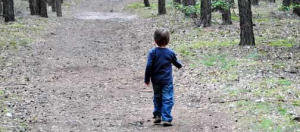
 The rate of autism has increased over the years, and is still continuously growing. People who are autistic or those who have Alzheimer’s disease are at high risk to wander away from home and with this, the rate also of missing cases involving people with autism, Alzheimer’s disease and dementia has also grown.
So, how can technology actually help the families as well as the other groups and individuals on this? Some tracking devices such as radio and wristbands were already out in recent years, bringing peace of mind for families. These devices promise the quick return of a loved one who has wandered away, and can even save his/her life. It’s an example of technology addressing a specific need in healthcare and communication.
“If I would have known about some device that would have tracked him, I would have used it,” Melissa Kastner said, a mother who lost his autistic son after he wandered away. “I would take out a loan to do it.”
One of the companies, Project Lifesaver, has supplied bracelets that can be tracked, and has already rescued about 2,400 people with a recovery rate of 100% and an average search time of about 30 minutes.
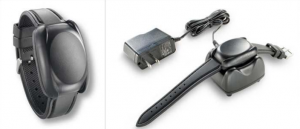 Another company called EmFinders also offers tracking device to locate and recover a missing person in just minutes. The EmSeeQ is a metal device that requires two hands to open it so the person who is wearing it cannot easily remove it. The device is water resistant, shock proof and rechargeable.
“It is the world’s smallest phone. It is a one-way phone that does not vibrate or make noise. It gives the longitude and latitude on a mapping system,” explained Sheenk of EmFinders.
“If the person continues to move, it can follow that person. It is constantly updating where that person is.”
The average cost for these kind of tracking devices ranges from $199 for family’s use to $3,900 for a community startup, plus a monthly service fee of $25 to $50.
On the other hand, aside from the tracking device, technology has also played a big part in the development of an autistic child. As a matter of fact, a mother of an autistic child has thanked Steve Jobs for what Apple’s genius and mentor of creativity has contributed to technolog,y especially in the development and improvement in the growth of a child with autism.
“On behalf of thousands and thousands of autistic kids who are using iPod touch devices and iPads to manage their schedules, play games, do their programs, communicate, and find their voices, I want to say thanks, Steve. Thanks for the glorious, wondrous, hopeful world of possibility.”
Support our mission to keep content open and free by engaging with theCUBE community. Join theCUBE’s Alumni Trust Network, where technology leaders connect, share intelligence and create opportunities.
Founded by tech visionaries John Furrier and Dave Vellante, SiliconANGLE Media has built a dynamic ecosystem of industry-leading digital media brands that reach 15+ million elite tech professionals. Our new proprietary theCUBE AI Video Cloud is breaking ground in audience interaction, leveraging theCUBEai.com neural network to help technology companies make data-driven decisions and stay at the forefront of industry conversations.




