





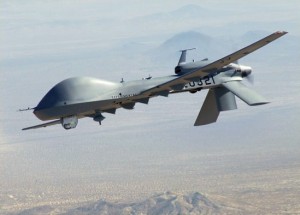
 UFOs? Nah. It’s just the General Atomics MQ-1 Predator and the General Atomics MQ-9 Reaper, a couple of unmanned aerial vehicles (UAV) used by the US Military to do surveillance, and sometimes attack hostile grounds. These drones are controlled remotely on the ground from military bases in the US, and these drones can be deployed anywhere in the world. They’re essential in military operations, as these drones gather vital information regarding alleged hostile grounds. The drones help the military know if there’s an impending attack or if there are weapons being prepared for an attack. But what if these drones become compromised?
Last Friday, Noah Shachtman of Wired reported that these drones have been infected by a virus that logs each keystroke made by the person controlling the drones. They are still not sure whether the virus poses a real threat, and if the information they get from drones have been compromised. They’re also unsure if the data obtained by the drones are being leaked to outsiders.
The “keylogger” virus was detected two weeks ago by the military’s Hot-Based Security System, but unfortunately they have been unsuccessful in removing the virus as it keeps coming back. They think it’s benign, but this type of incident can’t be dismissed easily, especially when security is at stake. Officials are still uncertain whether the virus just got into the system by accident or if it was done intentionally.
“We keep wiping it off, and it keeps coming back. We think it’s benign. But we just don’t know… It’s getting a lot of attention. But no one’s panicking. Yet,” one of the three sources familiar with the matter told Shachtman.
Though these drones have been widely used by different government agencies in their covert operations, there was an incident in 2009 where Iraqi insurgents got hold of a massive amount of videos collected by the drones because the videos they transmit to the US base weren’t encrypted. These drones cost millions or even billions of dollars, but it only took some $26-software to intercept the live video feed these drones were sending.
Shachtman believes that if the virus can’t be removed by conventional antivirus software, the military has to wipe the hard drives of the drones but before they can do that, they need to back up all pertinent data in these drones. This may sound easy but if you consider doing this task to over 150 drones and backing up tremendous amount of files for each drone then reformatting each hard drive, it’s no easy task.
The US Air Force declined to comment regarding the issue but issued the following statement:
“We do not discuss specific vulnerabilities, threats, or responses to our computer networks, since that helps people looking to exploit or attack our systems to refine their approach. We invest a lot in protecting and monitoring our systems to counter threats and ensure security, which includes a comprehensive response to viruses, worms, and other malware we discover.”
… We’d like to tell you about our mission and how you can help us fulfill it. SiliconANGLE Media Inc.’s business model is based on the intrinsic value of the content, not advertising. Unlike many online publications, we don’t have a paywall or run banner advertising, because we want to keep our journalism open, without influence or the need to chase traffic.The journalism, reporting and commentary on SiliconANGLE — along with live, unscripted video from our Silicon Valley studio and globe-trotting video teams at theCUBE — take a lot of hard work, time and money. Keeping the quality high requires the support of sponsors who are aligned with our vision of ad-free journalism content.
If you like the reporting, video interviews and other ad-free content here, please take a moment to check out a sample of the video content supported by our sponsors, tweet your support, and keep coming back to SiliconANGLE.






