







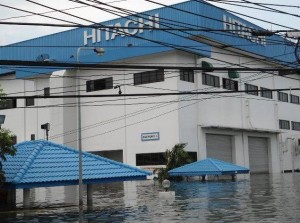
 Though the disastrous floods of Thailand are over, the aftermath still persists, severely affecting the technology sector. Throughout Thailand, the streets are littered with detritus, the phones don’t work, and rusted machinery has been dumped outside warehouses. This is particularly detrimental the technology sector, as companies like Panasonic, JVC and Hitachi produced electronics and computer components in Thailand that were exported around the world. In fact, Thailand produced almost 40 to 45 percent of world’s hard disk drives, which is a rather large share. After this disaster, only 15 percent out of the 227 factories have resumed their production facilities.
“The recovery has not been that easy,” said Mr. Nipit in an interview Friday on the sidelines of a meeting where he sought to soothe anxious foreign factory managers. Nipit Arunvongse Na Ayudhya is the managing director of the company that manages the Nava Nakorn industrial zone, one of the largest in Thailand and located just north of Bangkok.
“Production in our factories in Thailand would not return to preflood levels until September. About 60 other companies that produce hard drives and components were flooded,” said John Coyne, the president and chief executive of Western Digital, which makes about one-third of the world’s hard drives.
The declined production of hard disk drives in Thailand has escalated costs in the United States almost 50 percent. In such a situation, Coyne has delivered a relatively frank message to the Thai government at a separate meeting earlier in the week. He said that Thailand’s reputation was on the line. The primary expectation of customers is that hard drives are available when they need them. He urged the government to speed up flood prevention measures. Taking Cone’s appeal seriously, Thai prime minister Yingluck Shinawatra presented a plan to mitigate future flooding that includes reforestation, better coordination of the release of water from hydroelectric dams and a streamlining of decision-making when the risk of flooding arises. Let’s just hope that the steps taken by Thai government aid in the improvement of the country’s prevailing conditions.
Support our mission to keep content open and free by engaging with theCUBE community. Join theCUBE’s Alumni Trust Network, where technology leaders connect, share intelligence and create opportunities.
Founded by tech visionaries John Furrier and Dave Vellante, SiliconANGLE Media has built a dynamic ecosystem of industry-leading digital media brands that reach 15+ million elite tech professionals. Our new proprietary theCUBE AI Video Cloud is breaking ground in audience interaction, leveraging theCUBEai.com neural network to help technology companies make data-driven decisions and stay at the forefront of industry conversations.




