



 NEWS
NEWS
NEWS
NEWS
NEWS

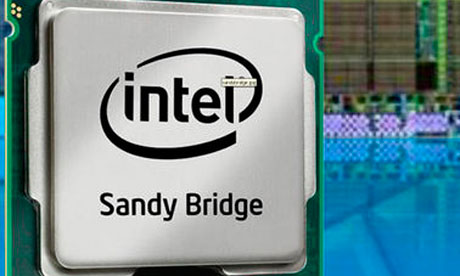
 Intel released the latest in its Xeon family of processors today that boasts increased performance of up to 80%, new vector extensions for compute intensive applications and the first integrated I/O actually baked into the processor itself.
This is Intel’s new micro architecture on the Sandy Bridge CPUs. The news has far reaching implications as the need grows for far more powerful processors to power the billions and soon trillions of devices that connect everyone and everything.
It’s also one of the most significant technology advancements for the entire IT landscape. HP Gen8 and Dell’s new 12G server line leverages the new Intel processors as does new networking technology from a host of providers.
Intel claims the following about the new chips:
It’s the I/O integration that is of particular interest. Latency is now becoming the big issue for IT. It’s the lag that costs money. Applications that take too long to process mean more CPU cycles getting expended. Intel is banking that its new I/O integration will be a big seller and convincing upside for customers upgrading to new servers.
But every upgrade has its implications. I talked with the founders of Cloudflare a few weeks ago. The company masks DNS addresses to provide an outer data security layer against attacks. It has six times more traffic than Twitter. The company is using the new Intel Xeon processors for its workloads but had to rewrite its applications in order to get them to work on the new platform.
That points to the challenges service providers will face. Intel’s new chips are incredibly powerful but there are always huge upgrade considerations.
In a post last week, Wikibon’s Stuart Miniman does an excellent job of laying out those challenges for customers considering upgrading to 10GbE networking. The servers are one thing but the impacts on such issues as cabling become an issue that also requires considerable investment.
… We’d like to tell you about our mission and how you can help us fulfill it. SiliconANGLE Media Inc.’s business model is based on the intrinsic value of the content, not advertising. Unlike many online publications, we don’t have a paywall or run banner advertising, because we want to keep our journalism open, without influence or the need to chase traffic.The journalism, reporting and commentary on SiliconANGLE — along with live, unscripted video from our Silicon Valley studio and globe-trotting video teams at theCUBE — take a lot of hard work, time and money. Keeping the quality high requires the support of sponsors who are aligned with our vision of ad-free journalism content.
If you like the reporting, video interviews and other ad-free content here, please take a moment to check out a sample of the video content supported by our sponsors, tweet your support, and keep coming back to SiliconANGLE.






