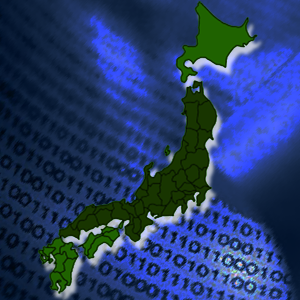







 Looks like China is not coming to a halt in their latest cyber attack spree, as it has added the latest prey in its list. And it’s Japan.
China hactivists have initiated a full fledged cyber attack against Japan, and following this, it has attacked at least 19 Japanese governmental and other websites. Out of these 19 sites, 11 are a victim of DDoS attacks, and include some really important sites like banking, power utility, and other private-sector companies–on the public side include government agencies such as the Defense Ministry and the Internal Affairs and Communications Ministry. The remaining 8 websites were vandalized, including those of the Supreme Court and the Tokyo Institute of Technology, leading them to display pictures of the Chinese national flag.
Continuing the list, Tokyo Institute of Technology’s site was defaced, and further endured an attack that saw names and telephone numbers of over 1,000 members of staff leaked.
The entire series of cyber attacks is credited to the dispute going over the Senkaku Islands, when the Tokyo decided to buy them from the Japanese family who had owned them for the past 100+ years. The uninhabited islands have only been actively claimed by China and Taiwan until the late 1960s when it was discovered they may house oil deposits. This led to the anti-Japan protests in the form of cyber attacks.
This incident, along with the past ones are only strengthening China’s reputation of active linkups with cyber espionage and hacking attacks. Earlier last month, AlienVault released an infographic giving details of trends in malicious cyber activity that suggested China as the number one among the top five sources of malicious IP addresses, followed by United States, South Korea, Russian Federation, and Taiwan. Looking at the track record of China and as per a survey recent conducted by Massachusetts-based Bit9, China is the ‘most likely actor’ in the “nation states” attacks. And lately, Dell’s SecureWorks Counter Threat Unit™ (CTU) research team tracked back Chinese links with a attack on a high-profile oil company in the Phillipines, a military organization in Taiwan, an energy company in Canada, and several as yet unidentified entities in Brazil, Israel, Egypt and Nigeria. The attack unfolds through a remote access trojan known as Mirage (Mirage RAT).
Support our mission to keep content open and free by engaging with theCUBE community. Join theCUBE’s Alumni Trust Network, where technology leaders connect, share intelligence and create opportunities.
Founded by tech visionaries John Furrier and Dave Vellante, SiliconANGLE Media has built a dynamic ecosystem of industry-leading digital media brands that reach 15+ million elite tech professionals. Our new proprietary theCUBE AI Video Cloud is breaking ground in audience interaction, leveraging theCUBEai.com neural network to help technology companies make data-driven decisions and stay at the forefront of industry conversations.





