





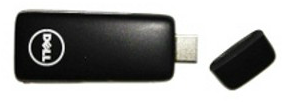
 Last month at CES, Dell unveiled Ophelia, a 3.5″ x 1.5″ WiFi thumb computer priced under $100. Wikibon co-founder David Floyer discussed the upcoming product and its potential impact on the consumer electronics space on an earlier episode of our NewsDesk show with Kristin Feledy (full video below).
Floyer regards Ophelia as an interesting development, a device small enough to fit in one’s pocket. This alone is a milestone, but certainly nothing so revolutionary as the iPhone or iPad. The upcoming gadget is not even the first of its kind: several other vendors have similar products out on the market already, some of which are available for less than $50.
Nevertheless, Floyer believes that Dell has a big opportunity of its hands. If the vendor enters this market and plays all its cards right, then it could potentially turn it into a mainstream vertical and capitalize on the growth.
Dell didn’t disclose anything about Ophelia, but Floyer offers a rough estimate based on the specifications of the other brands. He says that will likely feature a 1.6 GHz ARM processor, the standard chip for thumb computers, and it will probably offer around 1GB of RAM and 8GB of storage. But at the end of the day it’s not about the device – it’s about the end-to-end solution that Dell needs to deliver if it wants consumers to take Ophelia seriously.
Floyer explains that the real potential lies in the way the device will “connect to the rest of the world:” the 8GB of storage can be augmented with a cloud locker service, and the computer could be sold together with a monitor so that the user can start using Ophelia right out of the box. Rivaling products have so far failed to deliver this kind of full-circle experience, but Dell is well equipped to avoid repeating the mistakes of its rivals and deliver a complete a “package that can excite people,” Floyer says.
… We’d like to tell you about our mission and how you can help us fulfill it. SiliconANGLE Media Inc.’s business model is based on the intrinsic value of the content, not advertising. Unlike many online publications, we don’t have a paywall or run banner advertising, because we want to keep our journalism open, without influence or the need to chase traffic.The journalism, reporting and commentary on SiliconANGLE — along with live, unscripted video from our Silicon Valley studio and globe-trotting video teams at theCUBE — take a lot of hard work, time and money. Keeping the quality high requires the support of sponsors who are aligned with our vision of ad-free journalism content.
If you like the reporting, video interviews and other ad-free content here, please take a moment to check out a sample of the video content supported by our sponsors, tweet your support, and keep coming back to SiliconANGLE.






