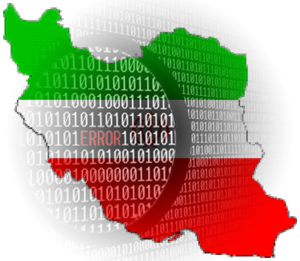







 Suspected to be a pre-emptive measure aimed at preventing Web-based protests ahead of June’s elections, Iranian government has blocked the use of most Virtual Private Networks, a tool used by several Iranians use to get around an extensive government Internet filter. This has created an internet filter that prevents Iranians from accessing many sites on the official grounds they are offensive or criminal.
“Within the last few days illegal VPN ports in the country have been blocked,” said Ramezanali Sobhani-Fard, the head of parliament’s information and communications technology committee, according to Mehr. “Only legal and registered VPNs can from now on be used.”
An Internet user named Mohamad from the Iranian city of Isfahan confirmed that VPNs had been blocked.
“VPNs are cut off. They’ve shut all the ports,” he said in a Facebook message, adding that he was using another form of software to access the service without a VPN. He said Skype and Viber, internet services used to make telephone calls, had also been blocked.
This is the first presidential election in Iran since 2009. Back then, the disputed result led to the creation of the Green Movement, due to the fact that the populous wasn’t too pleased with the way the election was being handled, nor were they all that happy with the results. That year, the Green Movement’s use of the Internet to spread information on brutality and alleged election fraud prompted the government’s resurgent push for strict Internet controls. Renesys, an Internet infrastructure research outfit, has released data in 2009 that illuminated a bit on how the government of Iran is restricting access to outside websites to their citizenry.
Apparently, Iranian authorities are taking steps to curb access to the Internet in the last few months and prevent a repeat this time. On the VPN blocking issue, Mehdi Akhavan Behabadi, secretary of Iran’s Supreme Cyberspace Council informed in January,
“Internet users would soon be able to purchase registered VPN connections and that other VPNs were illegal. Financial institutions and other organizations might need to use VPNs for security reasons, which would be a legal use. Soon, Internet users will be able to purchase state-approved VPN access, but until then the only legal VPN connection is one that has been deemed “legitimate” by the Ministry. Further, the VPN provider has to be registered on VPN.ir, which isn’t available to Internet traffic outside of Iran due to the domain’s use of a national private network.”
U.K.’s Small Media Foundation also published a report on Iran’s Internet policy, which again acts as an evidence of prevalent circumstances in the country,
“As the June election approaches and the internal politics of the government becomes more continuous, Iran’s Internet connectivity, and the accessibility of uncensored information, continues to deteriorate, reflecting offline crackdowns on the press. Prominent Persian-language websites and other online services have been filtered one by one, and communications with external platforms is becoming progressively more difficult. From a technical perspective, few things have been changed in recent months, and in this report we focus on the evolution of the infrastructure policies of the Telecommunication Company of Iran and Ministry of Information and Communications Technology, as well as the ramping up of the censorship of pro-government media.”
Back in 2012, Iran announced that they would be blocking Google’s search and e-mail service as they deploy their own domestic internet system. The domestic internet service was rolled out to government agencies and offices, and it is their aim to make it available to every Iranian by 2013. A week after the ban, Iran’s telecommunications ministry committee lifted the ban stating that it was an involuntary block.
Support our mission to keep content open and free by engaging with theCUBE community. Join theCUBE’s Alumni Trust Network, where technology leaders connect, share intelligence and create opportunities.
Founded by tech visionaries John Furrier and Dave Vellante, SiliconANGLE Media has built a dynamic ecosystem of industry-leading digital media brands that reach 15+ million elite tech professionals. Our new proprietary theCUBE AI Video Cloud is breaking ground in audience interaction, leveraging theCUBEai.com neural network to help technology companies make data-driven decisions and stay at the forefront of industry conversations.





