



 NEWS
NEWS
NEWS
NEWS
NEWS

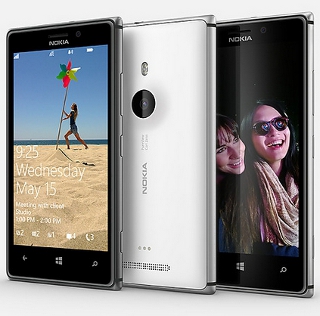
 Nokia has just unveiled its newest Windows Phone device, the Lumia 925. It’s another iteration of its high-end Lumia 920 that was introduced last year, and like the US-only Lumia 928, Nokia has made a few changes to spice things up.
“We keep innovating,” said Jo Harlow, executive vice president of Nokia Smart Devices. “We’re advancing experiences on the Nokia Lumia portfolio whether that means great new benefits for an existing Lumia owner, or bringing new showcase devices like the Nokia Lumia 925.”
Looking at the specs sheets of the three devices, you’d think that you’re looking at the same phone. All of the devices sport a 4.5” screen, Corning Gorilla Glass (2 for the 928 and 925), a Dual-core 1.5 GHz Qualcomm Snapdragon S4 processor, 1.2MP front camera, and a 8.7MP PureView Camera, capable of wireless charging via a wireless charging sleeve and plate, In addition they all boast the same long battery life, super sensitive touchscreen technology, with external keys for volume, camera and power/lock, Micro SIM, USB 2.0, Bluetooth 3.0, NFC for payment, sharing, tagging and pairing, WiFi, 1GB of RAM, 7GB free cloud storage, HERE maps, and run on Windows Phone 8.
 The specs are the same, but there must be some differences surely? On closer inspection, we do find a few variations in the various models. The first thing you’ll notice is that the Lumia 925’s (pictured left) casing is made up of aluminum, unlike the 920 and 928, both of which sport polycarbonate material. This makes the 925 lighter and slimmer than the two other models and moreover, you’ll notice it’s only available in grey, white or black. Nokia has ditched the colorful casings of the 928 and 920, which makes using the wireless charging sleeve a bit off, since the colorful sleeves stands out from the sleek and stylish finish of the 925.
Another key difference – the 925 and the 928 both use AMOLED display tech instead of the 920’s IPS display, which is generally seen as inferior. In addition, the available memory varies from device to device. The Lumia 925 comes with just 16GB internal storage, while the 928 and 920 come with 32GB.
Nokia likes to boast about the awesome capabilities of the cameras in each of its Lumia devices, but it claims that the 925 has the best camera of all, since it comes with an additional glass lens aside from the five plastic lenses that are standard on the 920 and 928. In addition, the Lumia 925 comes with new Smart Camera functionality that Nokia promises will make taking photos “more interesting”. Smart Camera mode allows users to take 10 images with a new motion focus feature that gives them the ability to blur, remove, or alter images in the background.
However, the biggest difference among the three devices would seem to be the carrier. Nokia is sticking rigidly with its bizarre policy of offering certain models to specific carriers only, something that may well dictate your choice of Lumia for you if you’re intent on buying one. The Lumia 920 is exclusively sold by AT&T, while Verizon is the only carrier offering the Lumia 928. As for the 925, this will be exclusively sold by T-Mobile by the time it comes out in June.
In June, Nokia and Microsoft are planning to extensively market the camera capabilities of the Lumia 925. Nokia has also partnered with Warner Brothers for the upcoming Man of Steel movie, also coming in June, and will sell the device featuring exclusive Superman content. What better way to sell a steel phone?
… We’d like to tell you about our mission and how you can help us fulfill it. SiliconANGLE Media Inc.’s business model is based on the intrinsic value of the content, not advertising. Unlike many online publications, we don’t have a paywall or run banner advertising, because we want to keep our journalism open, without influence or the need to chase traffic.The journalism, reporting and commentary on SiliconANGLE — along with live, unscripted video from our Silicon Valley studio and globe-trotting video teams at theCUBE — take a lot of hard work, time and money. Keeping the quality high requires the support of sponsors who are aligned with our vision of ad-free journalism content.
If you like the reporting, video interviews and other ad-free content here, please take a moment to check out a sample of the video content supported by our sponsors, tweet your support, and keep coming back to SiliconANGLE.






