



 NEWS
NEWS
NEWS
NEWS
NEWS

 Major technology vendors are jumping into the Internet of Things craze one after the other. Intel is going after wearable tech with new Quark processors, while Apple is trying to penetrate the low-end smartphone market with the iPhone 5c. An emerging startup called Zapier is riding this wave of adoption in a big push to get its own offering off the ground and into consumers’ hands and smart glasses.
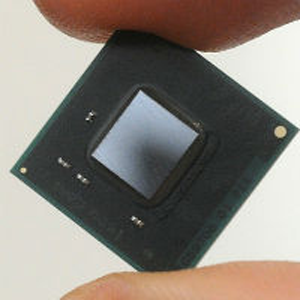
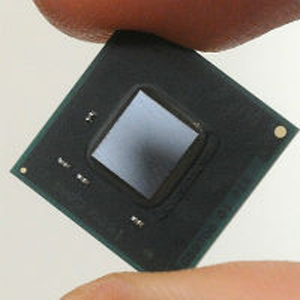
This week’s Intel Developer Conference kicked off with the debut of Quark, a set of processors designed for use in wearable gadgets and industrial sensors. The company touts that Quark chips are not only one fifth the size of the smallest Atom processor, but also consume as little as one tenth the power. Furthermore, the product line is based on an open architecture that gives partners breathing room to tailor their offerings to specific markets.
The Intel Developer Conference drew quite a crowd, but it didn’t receive nearly as much attention as Apple’s Worldwide Developers Conference. The centerpiece of the show was the new iPhone 5s, which introduces a fingerprint sensor that promises to block hackers while maintaining user privacy. The 5s is joined by the 5c, a lower cost model that Apple CEO Tim Cook bills as his company’s most “forward-thinking” smartphone to date.
The iPhone 5c doesn’t ship with biometric login, but for a price of $99 most consumers will be willing to overlook the fact that they’ve essentially been left out in the cold as far as security is concerned.
The rise of connected devices presents a massive opportunity for companies like Zapier, which offers a cloud solution that helps developers integrate applications across multiple platforms. The startup announced this week that it’s bringing over 230 web services to Google Glass with a new app that takes full advantage of the cutting edge hardware.
… We’d like to tell you about our mission and how you can help us fulfill it. SiliconANGLE Media Inc.’s business model is based on the intrinsic value of the content, not advertising. Unlike many online publications, we don’t have a paywall or run banner advertising, because we want to keep our journalism open, without influence or the need to chase traffic.The journalism, reporting and commentary on SiliconANGLE — along with live, unscripted video from our Silicon Valley studio and globe-trotting video teams at theCUBE — take a lot of hard work, time and money. Keeping the quality high requires the support of sponsors who are aligned with our vision of ad-free journalism content.
If you like the reporting, video interviews and other ad-free content here, please take a moment to check out a sample of the video content supported by our sponsors, tweet your support, and keep coming back to SiliconANGLE.






