



 NEWS
NEWS
NEWS
NEWS
NEWS

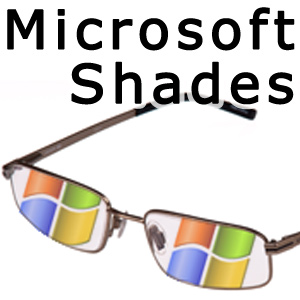
 Microsoft’s plan for the Internet of Things may center on a device similar to Google Glass, the Wall Street Journal reported on Tuesday. According to “people familiar with the matter,” the software titan is prototyping multiple web-connected eyewear designs in an effort to catch up on Google in the wearable tech arena.
Microsoft has reportedly reached out to Asian manufacturers to supply components for the device, which–if the paper’s sources are to be believed–will feature a camera and Internet capabilities.
One of the anonymous tipsters noted that Microsoft is “determined to take the lead in hardware manufacturing to make sure the company won’t miss out on the opportunities in the wearable gadget market,” but cautioned that the firm’s Google Glass rival may never hit general availability. This space has attracted a lot of attention in recent months, but it’s too early to tell if the technology will live up to the hype and gain widespread consumer adoption in the foreseeable future.
For a market still in its infancy, the smart eyewear segment is surprisingly competitive. Red Instruments, a Canadian maker of head-up displays for extreme sports, recently received a significant investment from Intel’s venture capital arm to fund the development of its Recon Jet device.
Is the Recon Jet up to par with Google Glass? SiliconANGLE’s Mellisa Tolentino
did some digging to find out.
Google’s product displays the equivalent of a 25-inch HD screen from eight feet away, while the Jet offers a 30-inch view. The latter weighs only 60 grams and features sleep mode, but comes with a standard speaker that doesn’t offer much in the way of privacy. Glass on the other hand uses patented bone conduction technology to transmit audio directly to the innermost part of the ear.
… We’d like to tell you about our mission and how you can help us fulfill it. SiliconANGLE Media Inc.’s business model is based on the intrinsic value of the content, not advertising. Unlike many online publications, we don’t have a paywall or run banner advertising, because we want to keep our journalism open, without influence or the need to chase traffic.The journalism, reporting and commentary on SiliconANGLE — along with live, unscripted video from our Silicon Valley studio and globe-trotting video teams at theCUBE — take a lot of hard work, time and money. Keeping the quality high requires the support of sponsors who are aligned with our vision of ad-free journalism content.
If you like the reporting, video interviews and other ad-free content here, please take a moment to check out a sample of the video content supported by our sponsors, tweet your support, and keep coming back to SiliconANGLE.






