





No doubt there are numerous factors that led to the current General Motors recall debacle. But one of them is certainly poor data analytics.
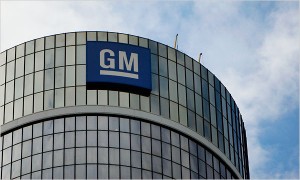 According to media reports, since 2003 General Motors received over 250 complaints related to an ignition defect that caused a number of vehicles to stall while traveling at high rates of speed. Twelve deaths and 31 crashes have thus far been linked to the defect. Despite having invested in “a number of tools and techniques to gather and analyze data [to] look for trends that warrant a vehicle safety investigation and possibly a recall,” as General Motors said in a statement, the car manufacturer failed to identify the severity of the ignition defect until just last month.
General Motors points out the 250 or so complaints it received over the course of a decade represents just .018 percent of the vehicles involved in the current recall. For sure, identifying the ignition defect based on just 250 complaints would be akin to finding a needle in a haystack. Consider that the company, having significantly recovered from its 2009 bankruptcy filing, sold 2.7 million cars in 2013 alone. The company receives millions of complaints per year from car dealers and direct from customers.
Unfortunately for General Motors, finding such a needle in a haystack is its responsibility. The Tread Act of 2000, which was passed in the wake of the Firestone tire recall, required car manufacturers to take steps to significantly improve their data analysis capabilities to better identify serious product defects to prevent situations such as General Motors and its effected customers find themselves in now. Whatever data analysis tools and technologies the company invested in, clearly they need to do more.
But let’s not let the government off the hook. The Tread Act also required the National Highway and Transportation Safety Administration to improve its analytics capabilities, as many customers report defective cars to both manufacturers and the NHTSA. That was indeed the case in the current situation.
“We took several efforts to look into this data,” said David Friedman, acting administrator for NHTSA, earlier this week in an interview with Bloomberg BusinessWeek. “At the end of the day, with the data we had at that time, we didn’t think that was sufficient to open up a formal investigation.”
In other words, the NHTSA had the data they needed, just not the tools and/or the know-how to analyze it. Same goes for General Motors.
… We’d like to tell you about our mission and how you can help us fulfill it. SiliconANGLE Media Inc.’s business model is based on the intrinsic value of the content, not advertising. Unlike many online publications, we don’t have a paywall or run banner advertising, because we want to keep our journalism open, without influence or the need to chase traffic.The journalism, reporting and commentary on SiliconANGLE — along with live, unscripted video from our Silicon Valley studio and globe-trotting video teams at theCUBE — take a lot of hard work, time and money. Keeping the quality high requires the support of sponsors who are aligned with our vision of ad-free journalism content.
If you like the reporting, video interviews and other ad-free content here, please take a moment to check out a sample of the video content supported by our sponsors, tweet your support, and keep coming back to SiliconANGLE.






