




This week’s Smart Health roundup features Apple’s take on health monitoring, Intel’s ‘smart’ shirt, and Taiwan’s highly anticipated tech show embraces the Internet of Things.
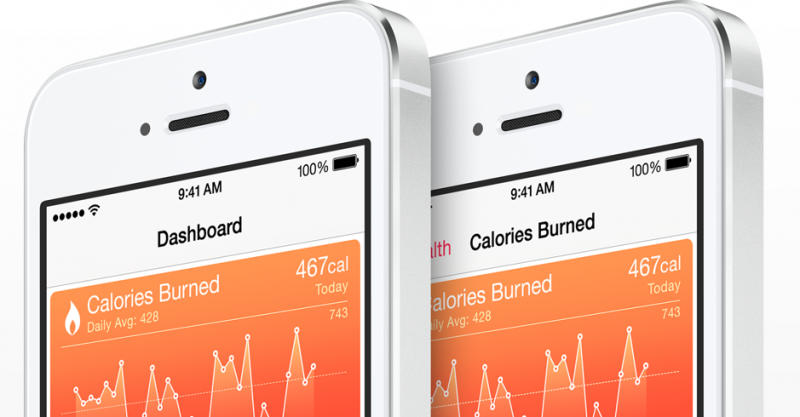
The Worldwide Developers Conference officially kicked off this week and Apple unveiled several items to pique developers’ interest for the updated OS X and iOS 8. Apple also introduced new apps such as Health, which continuously collects metrics including blood pressure, heart rate, and stats on diet and exercise from third party health monitoring apps and devices. It acts as a hub for all the existing health monitoring apps and bands a person is already using.
Apple will also introduce the HealthKit cloud platform, where all the person’s information is stored. HealthKit will also act as a gateway, making the information easily available to healthcare providers. If any of the information obtained is beyond normal values, the person’s physician or healthcare provider can be immediately informed.
Nike is already working on making its health and fitness app compatible with HealthKit, fulfilling a portion of earlier expectations that the shoemaker may have shut down its own wearable tech department in order to work more closely with branded solutions through Apple. The iPhone maker aims to make HealthKit an integral part of the healthcare system, and has worked with doctors at the Mayo Clinic to allow healthcare professionals access, and the ability to add health information for their patients.
It seems like the future of health monitors and fitness trackers will be smart shirts – shirts that are laced with sensors and made of conductive fibers that allows a person to go about his daily tasks and fitness regimen without worrying about wires and gadgets getting in their way.
At last week’s Code conference, Intel unveiled its smart shirt that is able to track the wearer’s heart rate and send the information to the user’s smartphone. Intel’s smart shirt was created through its collaboration with AIQ, a company that specializes in the fusion of fashion and technology.
In the future, the shirt can be fitted with a 3G chip to allow the shirt to directly upload data to the cloud, eliminating the need to first sync data from your shirt to your smartphone.
“The idea with our platform is that we’ve produced the hardware and software for partners to go off and build stuff with it,” Mike Bell, Intel’s head of new devices, said. “You can imagine shirts for kids, for parents to be able to monitor them, or for the elderly and for people that need to be monitored on a 24-by-7 basis.”
Computes, Taiwan’s highly anticipated tech trade show, has officially kicked off and this year, it has a new sections dedicated to the Internet of Things. The SmartTech area features 3D printing innovation, connected cars and new security systems, smart wearables, and more.
Chang Li, deputy secretary-general of the Taipei Computer Association, a co-organizer of the show, sees wearable tech as a dominant trend for the new technologies being showcased with watches, rings and wristbands at the top of the list.
“Smart wearables are not a new technology, but combining them with cloud computing means the wearer’s data is collected all day every day, is analyzed and can predict your body’s condition, giving warnings of potential health problems,” he said.
Additionally, computer maker Acer introduced Liquid Leap at Computex. Liquid Leap looks like a popular fitness tracker and has similar functionalities such as tracking sleep, steps taken, distance travelled, calories burned, control music playback, and even has some smartwatch features such as receiving call and message notifications. No news yet as to how much the device will cost when it finally hits stores this summer.
… We’d like to tell you about our mission and how you can help us fulfill it. SiliconANGLE Media Inc.’s business model is based on the intrinsic value of the content, not advertising. Unlike many online publications, we don’t have a paywall or run banner advertising, because we want to keep our journalism open, without influence or the need to chase traffic.The journalism, reporting and commentary on SiliconANGLE — along with live, unscripted video from our Silicon Valley studio and globe-trotting video teams at theCUBE — take a lot of hard work, time and money. Keeping the quality high requires the support of sponsors who are aligned with our vision of ad-free journalism content.
If you like the reporting, video interviews and other ad-free content here, please take a moment to check out a sample of the video content supported by our sponsors, tweet your support, and keep coming back to SiliconANGLE.






