





 Salesforce.com Inc. is pushing full-throttle into the connected universe with the addition of support for some of the hottest new gadgets on the market and a landmark professional services initiative aimed at helping large organizations bring those devices into the workplace.
The move comes three months after the cloud services stalwart launched a dedicated program for fostering the creation of wearable and other emerging categories of enterprise applications within its 1.5-million-strong developer ecosystem. Participants receive access to a wealth of technical and educational resources that provide an onramp to new platforms Salesforce.com believes may eventually find their way into offices.
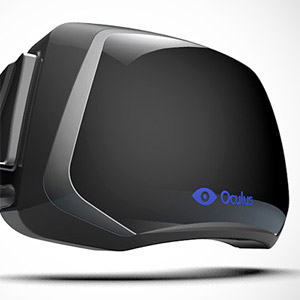
With today’s update, the roster has been expanded to include five more devices, some of which stand out more than others. Topping the list is the Oculus Rift, the virtual reality headset that Facebook Inc. absorbed in a $2 billion deal earlier this year. The crowdsourced helmet is designed to provide immersive gaming experiences, but many people see applications in business. For example, the Defense Advanced Research Projects Agency (DARPA) is experimenting with ways to apply it for military purposes and uses in warehouses, assembly lines and aboard package delivery trucks have been envisioned. Facebook is betting that Oculus Rift will have a leg up on competitors when virtual reality goes corporate.
Salesforce also added support for the Jawbone UP fitness tracker and three new brands of smart glasses: the Moverino from Seiko Epson Corp., Meta Glasses and the Vuzix M100 Smart Glasses, which is described as an “Android-based wearable computing, communications and display system” by its creator.
The offerings join an already formidable lineup of supported devices that includes the famous Google Glass along with Fitbit, Pebble, Philips and half a dozen other lesser known products ranging from smartwatches to gesture control armbands. As is the case with the Oculus Rift, the fit with the corporate workplace isn’t always clear, but Salesforce is counting on its developer community to sort that out. So far, developers appear to be up to the challenge.
Corporate customers already have eight wearable applications to choose from, including several customer identification services for smart glasses, a patient tracking app and a smartwatch-based alternative to traditional punch cards. To help customers take advantage of those apps, Salesforce has teamed up with consulting giant Accenture plc. to offer guidance on how to roll out and exploit new types of device in enterprise environments. Collectively, the initiative suggests that Salesforce.com sees its future as expanding well beyond its current CRM stronghold.
… We’d like to tell you about our mission and how you can help us fulfill it. SiliconANGLE Media Inc.’s business model is based on the intrinsic value of the content, not advertising. Unlike many online publications, we don’t have a paywall or run banner advertising, because we want to keep our journalism open, without influence or the need to chase traffic.The journalism, reporting and commentary on SiliconANGLE — along with live, unscripted video from our Silicon Valley studio and globe-trotting video teams at theCUBE — take a lot of hard work, time and money. Keeping the quality high requires the support of sponsors who are aligned with our vision of ad-free journalism content.
If you like the reporting, video interviews and other ad-free content here, please take a moment to check out a sample of the video content supported by our sponsors, tweet your support, and keep coming back to SiliconANGLE.






