



 NEWS
NEWS
NEWS
NEWS
NEWS


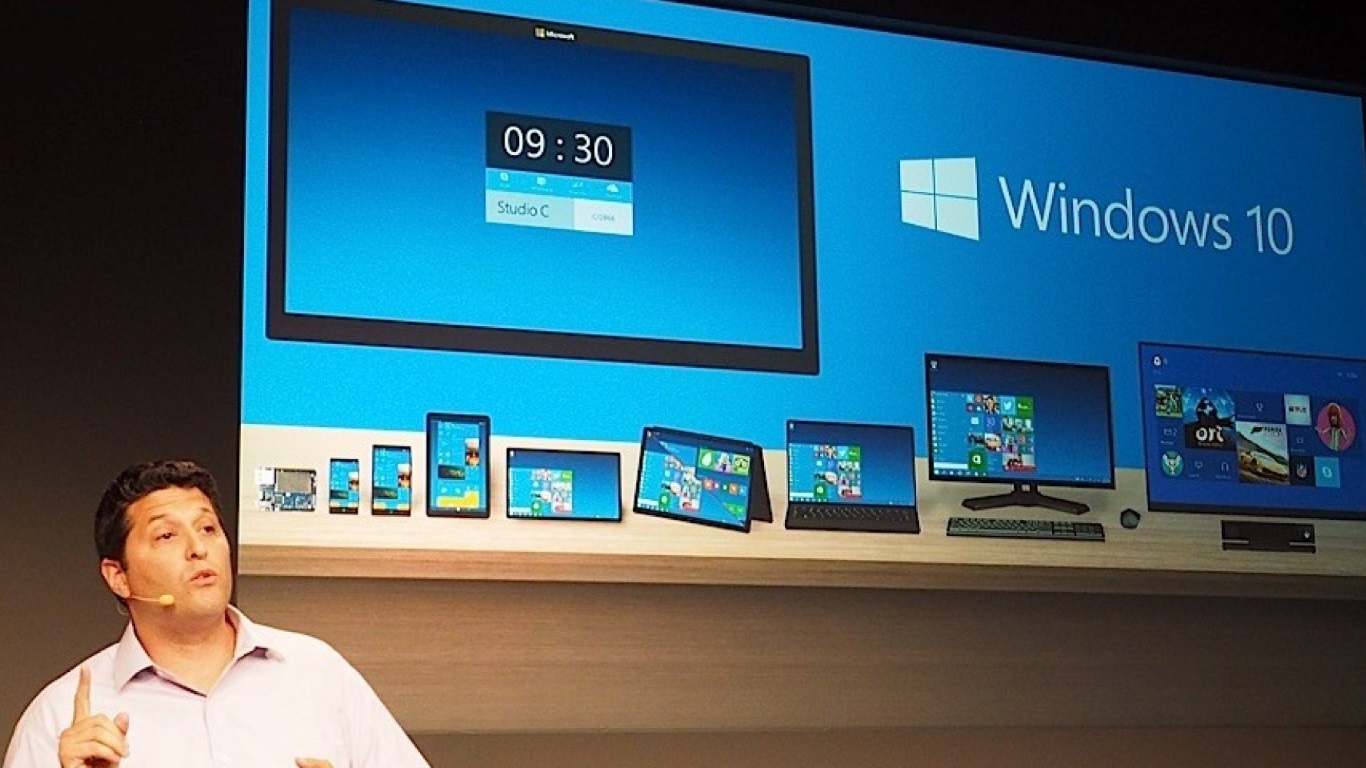
Microsoft Announces Windows 10
Making way for the introduction of Widows 10, Microsoft Corp. stopped selling retail copies of Windows 7 and 8 on October 31st. The giant software maker’s Widows Lifecycle Chart shows that from now on, original equipment manufacturers (OEMs) will not be able to purchase Windows 7 Home Basic, Windows 7 Ultimate, or Windows 7 Home Premium licenses. (OEMs, such as Dell Inc. and Toshiba Corp. will often sell computers will pre-installed operating systems). This does not mean that computers running Windows 7 will enter the void, just that they will be available only while stocks last at retailers. Retail box copies of Windows 8 are also on their way out.
Professional licenses of Windows 7 will also be purchasable at cost as a ‘download right’.
The question you might be now asking yourself is how does this affect your upgrades and maintenance. For some time to come, businesses that have purchased Windows 8.1 Pro will be able to downgrade to Windows 7 Pro. As Windows 7 has been by far the most popular OS around the globe to date – Windows XP comes a long way behind in second place, followed by Windows 8/8.1, it would be counter-intuitive of Microsoft to do otherwise. Microsoft will also keep offering support for Widows 7. On January 13, 2015 Windows Service Pack 1 will no longer be available, although the all-important security updates will available right up until 2020.
Service Packs, which offer updates, security, new hardware, performance improvements and fixes are still available as downloads. Each download should take about thirty minutes to install and will require a restart of your computer during the process.
There’s no doubt that Windows 7 licenses are going to become quite popular on auctioning sites, but a word of warning to anyone who might consider buying. Microsoft’s End User License Agreement (EULA) will render your purchase in breach of licensing laws.
… We’d like to tell you about our mission and how you can help us fulfill it. SiliconANGLE Media Inc.’s business model is based on the intrinsic value of the content, not advertising. Unlike many online publications, we don’t have a paywall or run banner advertising, because we want to keep our journalism open, without influence or the need to chase traffic.The journalism, reporting and commentary on SiliconANGLE — along with live, unscripted video from our Silicon Valley studio and globe-trotting video teams at theCUBE — take a lot of hard work, time and money. Keeping the quality high requires the support of sponsors who are aligned with our vision of ad-free journalism content.
If you like the reporting, video interviews and other ad-free content here, please take a moment to check out a sample of the video content supported by our sponsors, tweet your support, and keep coming back to SiliconANGLE.






