



 NEWS
NEWS
NEWS
NEWS
NEWS


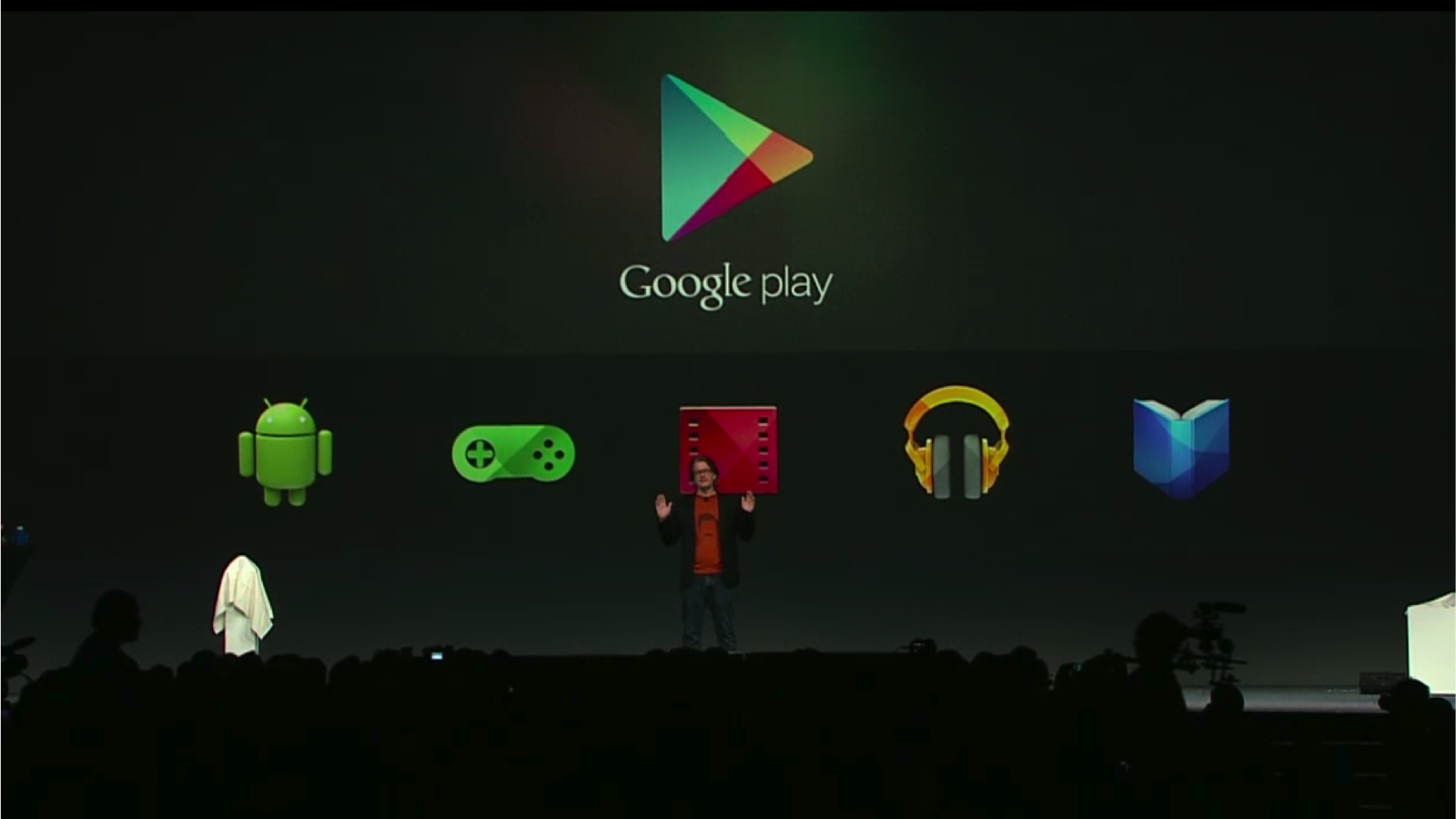
A new report shows that Google Play, Google Inc.’s app store, has grown dramatically since its launch, beating the App Store, Apple Inc.’s app warehouse, in 2014 in total number of applications and developers.
Mobile analyst firm AppFigures, which claims to monitor the largest platform of mobile applications, reported that at the end of last year the number of applications available on Google Play exceeded the number of applications available on the App Store.
AppFigures’ report shows that Google Play surpassed the Apple store on the number of applications for the first time in 2014. The quantity of Google developers for the third year in a row exceeds the number of developers at Apple. The Google Play Store now boasts 1.43 million apps in comparison to 1.21 million in Apple’s App Store. Amazon’s mobile app store trails behind with approximately 293,000 mobile applications.
The year 2014 was particularly good for Google: the number of applications developed for its platform has doubled. At Apple, the growth was limited to just under 60 percent.
“App development is certainly on the rise and the platform doesn’t seem to matter. In 2014, all three app stores grew by at least 50 percent (by the way, when we say growth we mean the percent change from the end of the previous year). What’s interesting is that although Apple continues to grow strongly, it’s really Google Play that’s growing. In 2014, the number of apps distributed through Google Play has doubled. Amazon is also enjoying impressive growth, albeit from a much smaller base,” writes AppFigures.
While those raw numbers look great for Google Play, it’s important to remember that the two markets aren’t managed in the same way. Apple puts apps through a more extensive review before release, while Google lets developers publish directly, only stepping in when there are Terms of Service violations or mobile malware distributions.
AppFigures added, “Google is surpassing Apple in terms of growth, it’s not necessarily a measurement of developer preference. Many app developers still launch on iOS first, then build their Android applications. That’s because Apple is where developers are generating most of their revenue. But Google’s growth is a hint at the maturation of Apple’s App Store – though still growing, some of that growth has slowed in comparison with other years.”
All three app stores included in AppFigures’ report–Apple, Google and Amazon–got off to a strong growth spurt last year, with Apple seeing 50 percent growth. Amazon was good with 90 percent growth, while Google actually saw about 105 percent growth. Although Google Play patently outgrew its competitors, all three stores last year showed an increase by at least 50 percent.
2014 was a year of strong growth for the number of developers who published their products in the Android app store. Google Play now has more than 388,000 developers. In July 2014, according to AppFigures, the number was 293,000. This burst of activity came in the second half of last year. Apple’s App Store has entered the new year with 282,000 developers, and Amazon Appstore has grown to nearly 50,000.
As for other categories, the highest growth among the iOS applications is ‘Business’, where last year it published more than 128,000 new applications. The second and third places were taken by ‘Food and Beverages’ and ‘Lifestyle’. In Google Play, most actively growing category was ‘Games’ followed by ‘Photography’, ‘Music’, ‘Business’ and ‘Entertainment’.
Although Google is surpassing Apple in terms of growth, it’s not necessarily a measurement of developer preference. Many app developers still launch on iOS first, that’s because Apple is where developers are generating most of their revenue.
Google’s growth is a hint at the maturation of Google Play. But it’s also not clear that Google’s victory in developer growth translates into developer preference.
… We’d like to tell you about our mission and how you can help us fulfill it. SiliconANGLE Media Inc.’s business model is based on the intrinsic value of the content, not advertising. Unlike many online publications, we don’t have a paywall or run banner advertising, because we want to keep our journalism open, without influence or the need to chase traffic.The journalism, reporting and commentary on SiliconANGLE — along with live, unscripted video from our Silicon Valley studio and globe-trotting video teams at theCUBE — take a lot of hard work, time and money. Keeping the quality high requires the support of sponsors who are aligned with our vision of ad-free journalism content.
If you like the reporting, video interviews and other ad-free content here, please take a moment to check out a sample of the video content supported by our sponsors, tweet your support, and keep coming back to SiliconANGLE.






