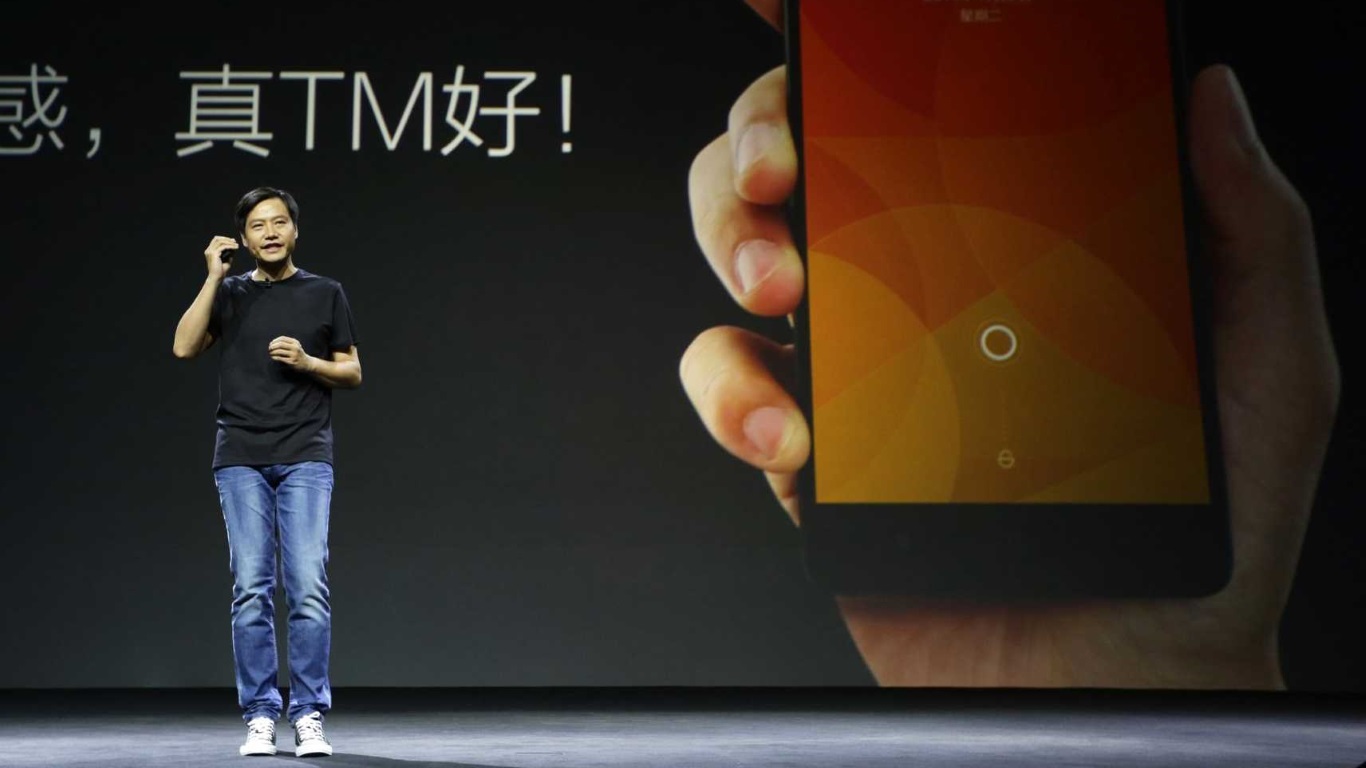







 Xiaomi Inc., the fast-growing Chinese smartphone maker, has announced its cautious entry into the U.S. market.
At the company’s first ever press event on U.S. soil in San Francisco yesterday, Xiaomi said that it will start selling its products online in the U.S. via its e-commerce website, mi.com. The online store will not carry the company’s popular Mi line of phones or tablets, but rather secondary products like headphones, the Mi Band wearable fitness tracker and other accessories.
Xiaomi co-founder Bin Lin told The Associated Press that the company has no plans to offer its popular handsets in the U.S.
Hugo Barra, who left Google Inc. last year to lead Xiaomi’s global expansion, said it takes “an incredible amount of work” to bring more technologically complicated products, such as a smartphone, to a new market.
Xiaomi faces challenges in getting its smartphones certified in the U.S. and its low-margin business model is not suited to a market where wireless carriers provide phones at subsidized prices.
Xiaomi, barely five-years-old, has been called the “Apple of China” because of its obsessive fan base. Xiaomi takes a collaborative approach to product design, with many of the features available in its products having come directly from users.
“We don’t have customers or users. They prefer to be addressed (as) fans,” said Barra.
In January, Xiaomi announced that mobile shipments had increased 227 percent year-on-year to a total of 61 million devices and in December the company raised $1.1 billion on a $45 billion evaluation. In October, the Industrial Development Corporation released a report ranking Xiaomi as the third-largest smartphone maker after Samsung and Apple.
According to Barra, Xiaomi now has more than 100 million users on its MiUi mobile operating system, a customized version of Google’s Android mobile operating system.
Barra described the U.S. version of mi.com as “an experimental launch” aimed at helping the company gain brand awareness in the U.S., which in turn will raise its profile in other countries. He said the company hopes to tap into feedback from U.S. consumers in the same way it has with its fans in China.
Support our mission to keep content open and free by engaging with theCUBE community. Join theCUBE’s Alumni Trust Network, where technology leaders connect, share intelligence and create opportunities.
Founded by tech visionaries John Furrier and Dave Vellante, SiliconANGLE Media has built a dynamic ecosystem of industry-leading digital media brands that reach 15+ million elite tech professionals. Our new proprietary theCUBE AI Video Cloud is breaking ground in audience interaction, leveraging theCUBEai.com neural network to help technology companies make data-driven decisions and stay at the forefront of industry conversations.





