



 NEWS
NEWS
NEWS
NEWS
NEWS

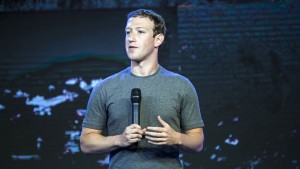
Facebook Founder & CEO Mark Zuckerberg
Facebook Inc has made major strides in helping developing countries connect to the web thanks to its Internet.org charity organization, but yesterday at the Mobile World Congress in Barcelona, Spain, CEO Mark Zuckerberg said that Facebook and Google receive too much credit for expanding internet coverage.
“We can help, because Facebook is one of the primary apps people want to use,” Zuckerberg told Wired’s Jessi Hempel on the Mobile World Congress stage. “But it’s important not to lose sight of the fact that the real companies that are driving this are the operators and all the investments they’re putting together.”
Internet.org has rolled out its free mobile app to several countries with developing economis and low internet connectivity, including Colombia and, more recently, India. The app provides low cost access to important internet tools, including medical information, parenting tips, weather forecasts, and communication tools like Facebook and Facebook Messenger.
Zuckerberg says that Internet.org’s efforts to connect the world are good for all businesses involved, saying, “These apps drive data usage. People want to use these different services, so I think people are going to pay, but I think it is what specific things do you charge for? I think over time it will be data and other services”
But some telecoms are not so sure. Some of Internet.org’s goals, such as offering free text messaging for users, directly conflicts with paid telecom services.
People like Denis O’Brien, chairman of international wireless provider Digicel Group, are not so optimistic about Zuckerberg’s motives. “Mark Zuckerberg is like the guy who comes to your party and drinks your champagne, and kisses your girls, and doesn’t bring anything,” O’Brien told The Wall Street Journal last week. According to O’Brien, free Facebook access is not a big enough motive to get more people paying for mobile or data plans.
O’Brien explains that while Facebook and Google get a lot of the publicity for spreading internet coverage, telecoms like Digicel Group and others are the ones building cell towers and other connectivity infrastructure in regions that lack roads and electricity.
… We’d like to tell you about our mission and how you can help us fulfill it. SiliconANGLE Media Inc.’s business model is based on the intrinsic value of the content, not advertising. Unlike many online publications, we don’t have a paywall or run banner advertising, because we want to keep our journalism open, without influence or the need to chase traffic.The journalism, reporting and commentary on SiliconANGLE — along with live, unscripted video from our Silicon Valley studio and globe-trotting video teams at theCUBE — take a lot of hard work, time and money. Keeping the quality high requires the support of sponsors who are aligned with our vision of ad-free journalism content.
If you like the reporting, video interviews and other ad-free content here, please take a moment to check out a sample of the video content supported by our sponsors, tweet your support, and keep coming back to SiliconANGLE.






