



 NEWS
NEWS
NEWS
NEWS
NEWS


With researchers predicting growth in the hybrid cloud market of as much as 50% this year alone, it’s no surprise that an aftermarket has emerged for technology that helps businesses optimize the multitude of cloud choices. Tel Aviv-based Cloudyn Ltd. is seeking to fortify its position as the most broadly based supplier of optimization services with today’s announcement of support for the Microsoft Azure cloud platform.
Cloudyn already works with public infrastructure as a service (IaaS) platforms from Amazon Web Services (AWS), Google, Rackspace, Inc. and OpenStack, and plans to add interfaces to Hewlett-Packard Co. Helion and IBM SoftLayer public clouds as well as VMware, Inc.’s vCenter and vCloud Air virtualization platforms in the future. The company’s service enables customers to administer all clients from a single console to identify unnecessary spending, unused resources, or over-provisioned services and to balance resources accordingly. Its managed service provider offering ties into published APIs of public cloud vendors as well as local hypervisors to look for abnormal spikes in usage, cost and performance.
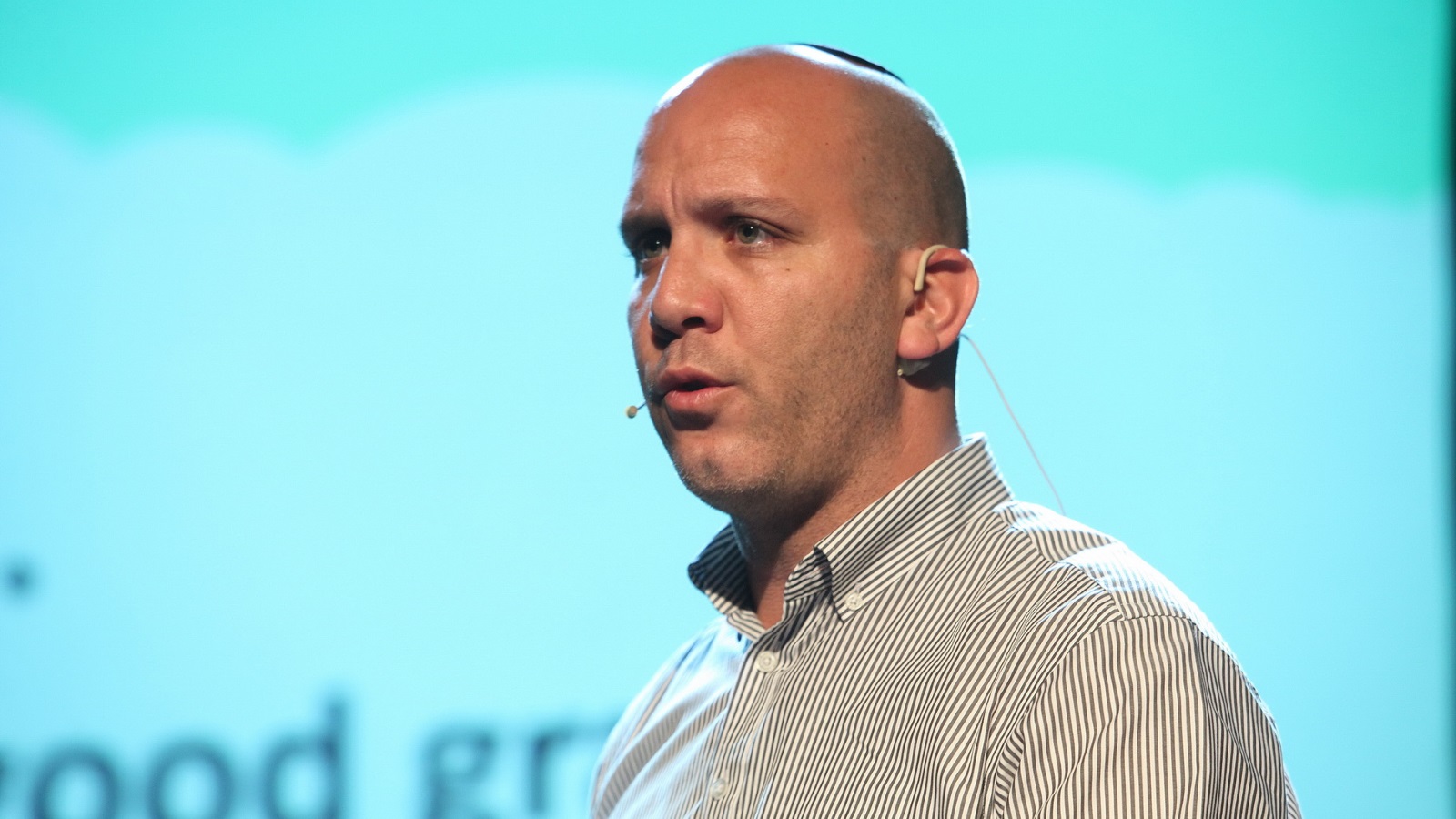
“We look for the most optimal cloud price structure for you based on your workload,” said CEO Sharon Wagner (above), who added that customers typically see cost savings of 25 to 30 percent the first year. Cloudyn primarily works with large clients running more than 250 virtual instances.
Sharon said AWS is by far the most popular IaaS choice of its 1,400 customers with Azure in second place followed by IBM SoftLayer and the Google Cloud Platform. He estimated that 40 percent of customers use more than one cloud instance.
Optimizing cloud resources is more than just load-balancing, Wagner said. The Cloudyn approach prompts customers first to size their needs appropriately, retire or reallocate underused resources and finally to optimize commercial cloud services. The service is priced at 1.5 percent of the customer’s total cloud spend, or 2.5 percent in the case of an enterprise package.
Confirming the opinion of most industry researchers, Wagner said enterprises are rushing toward hybrid clouds and he doesn’t see a dramatic shift toward public-cloud-first deployment mindset that is popular with startups. This choice “has nothing to do with the cloud services,” he said. “It has to do with enterprise culture, job security and how critical data is to the business. There are critical legacy applications out there.” The principal use for public clouds is still for “cloud bursting,” in which an application running in a private cloud or data center bursts into a public cloud when demand spikes.
Founded in 2011, Cloudyn employs 22 people and has raised $5.5 million in financing, including a $4 million round last September.

… We’d like to tell you about our mission and how you can help us fulfill it. SiliconANGLE Media Inc.’s business model is based on the intrinsic value of the content, not advertising. Unlike many online publications, we don’t have a paywall or run banner advertising, because we want to keep our journalism open, without influence or the need to chase traffic.The journalism, reporting and commentary on SiliconANGLE — along with live, unscripted video from our Silicon Valley studio and globe-trotting video teams at theCUBE — take a lot of hard work, time and money. Keeping the quality high requires the support of sponsors who are aligned with our vision of ad-free journalism content.
If you like the reporting, video interviews and other ad-free content here, please take a moment to check out a sample of the video content supported by our sponsors, tweet your support, and keep coming back to SiliconANGLE.






