



 NEWS
NEWS
NEWS
NEWS
NEWS

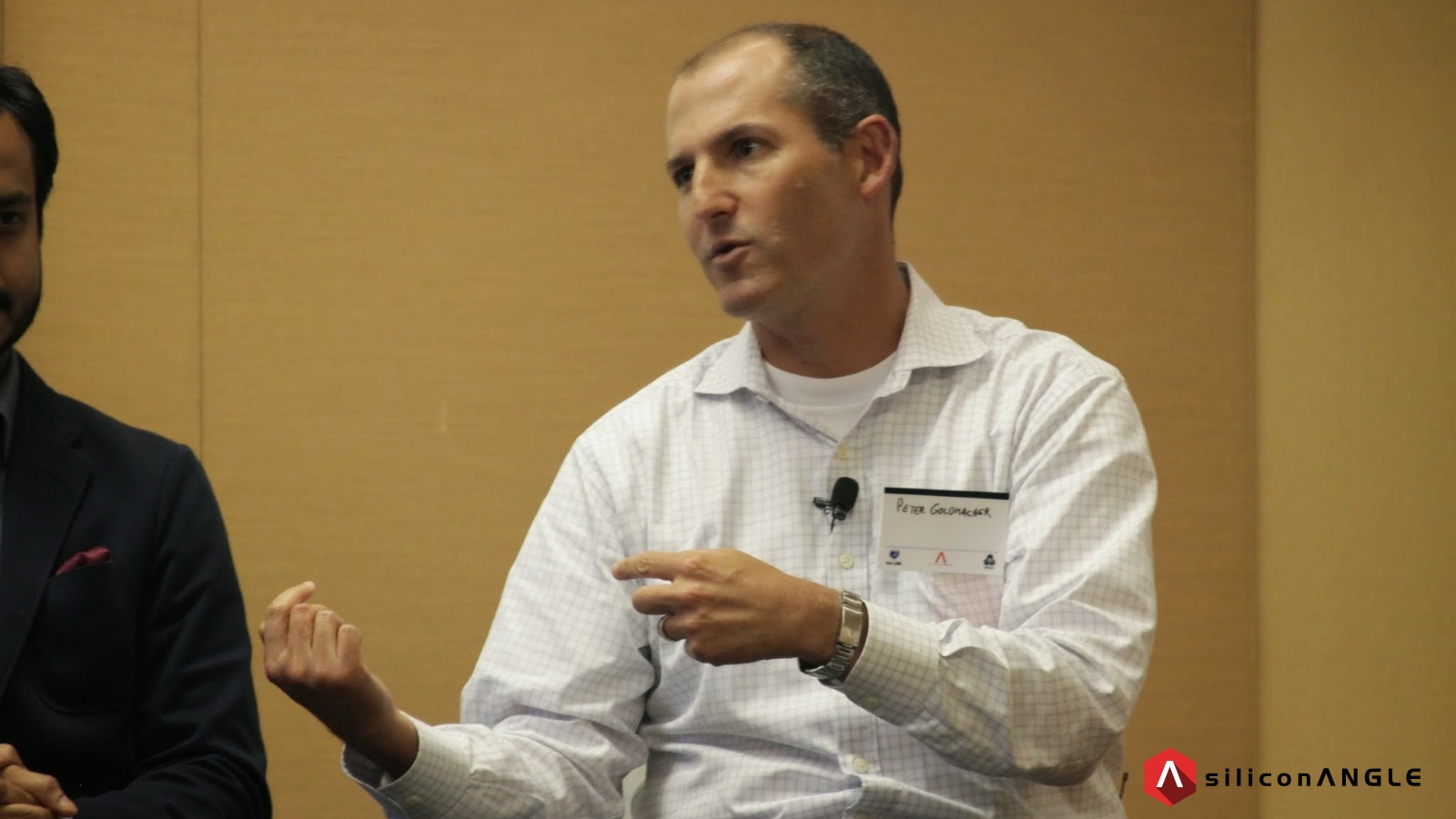
 Peter Goldmacher lasted just three months in a strategy and business development job at NoSQL database giant MongoDB, Inc. last year. “I found I didn’t want to work for someone and now I’m out of a job,” he joked to an audience at a BigDataNYC panel last fall.
His aversion to full-time employment apparently didn’t last long. Last week NoSQL competitor Aerospike, Inc. announced that the veteran Wall Street analyst has joined the company in a role with a similar title: vice president of strategy and market development.
Aerospike isn’t exactly a household word, but its flash-optimized, in-memory database is widely acknowledged as one of the fastest on the market. Goldmacher has spent much of this week chatting with the media about his new venture, its niche market strategy and the overwhelming opportunities that he believes NoSQL vendors have in a market that he said is itching to find an alternative to Oracle.
The attraction of Aerospike was twofold, Goldmacher said. The company “has truly unique technology,” and a new CEO in John Dillon, a Silicon Valley veteran whose previous CEO credentials include Salesforce.com, Inc. and Hyperion Solutions Corp. “I couldn’t pass up” the opportunity to work with Dillon, he said.
Then there’s the appeal of being at a company that doesn’t seem bent on world domination. At BigDatNYC last fall, Goldmacher slammed the “grow at all costs” mentality that has gripped the big data world recently in the wake of billion-dollar valuations and nine-digit funding rounds. “Nobody gives a s*** about making money anymore,” he said. “They just want to get big.”
Not Aerospike. At $22 million, the company’s venture bankroll is dwarfed by MongoDB’s $300 million war chest, but its ambitions are less grandiose. The goal is to build a robust and profitable business by appealing to a niche of high-performance use cases. “We cannot compete in a shouting contest,” he said.
Top prospects include online advertising companies, 16 of the top 30 of whom are Aerospike customers. The in-memory flash technology is well-suited to creating events based on near-real-time information, such using tracking cookies to serve up an offer to a passing website visitor.
Another typical Aerospike deployment is front-ending relational databases with performance-dependent services. For example, an online stock broker might use it to serve real-time quotes from a customer’s portfolio but still commit buy and sell transactions to a relational back end.
In contrast, the more conventional NoSQL strategy today is to replace Oracle with a cheaper alternative. “Our use cases tend not to be as competitive,” Goldmacher said. “We want to play to our strength and focus on areas where we can make the biggest impact.”
In fact, Aerospike is actually cutting its marketing budget by an unspecified amount and redoubling its efforts on courting developers. In a market that’s obsessed with distribution and promotion, Aerospike is putting its money where its word-of-mouth is. “Product trumps distribution if you build a great product,” he said. “Get developers talking and participating in forums and the rest will take care of itself.”
The strategy seems a good fit for Goldmacher’s no-BS style, said Wikibon Co-Founder and Chief Analyst David Vellante. “Peter is an iconoclast and I think that he fits in well with a company like Aerospike, which is trying to disrupt the norms of database markets,” Vellante said.
During a decade at Cowen and Company, LLC, Goldmacher was a frequent critic of enterprise software companies that used maintenance contracts to extract onerous fees from customers. “His outspokenness should be an asset to Aerospike, Vellante said. “He’s smart, acerbic, knows software and he’s been a student of Hadoop and other emerging approaches to solving big data problems.”
… We’d like to tell you about our mission and how you can help us fulfill it. SiliconANGLE Media Inc.’s business model is based on the intrinsic value of the content, not advertising. Unlike many online publications, we don’t have a paywall or run banner advertising, because we want to keep our journalism open, without influence or the need to chase traffic.The journalism, reporting and commentary on SiliconANGLE — along with live, unscripted video from our Silicon Valley studio and globe-trotting video teams at theCUBE — take a lot of hard work, time and money. Keeping the quality high requires the support of sponsors who are aligned with our vision of ad-free journalism content.
If you like the reporting, video interviews and other ad-free content here, please take a moment to check out a sample of the video content supported by our sponsors, tweet your support, and keep coming back to SiliconANGLE.






