





 In a bid to take advantage of the feeding frenzy over the Internet of Things (IoT) and to gain ground against market leader AT&T, Inc. , Sprint Corp. is expanding its Command Center device monitoring and control service to span more than 200 countries and supporting a wide variety of communications protocols using a single SIM card.
Command Center 2.0 offers one-touch bulk provisioning for up to thousands of devices with dynamic rates and flexible pooling arrangements, Sprint said. The enhanced service also provides more flexible tools for managing devices based upon things like time of day, geography and usage limits.
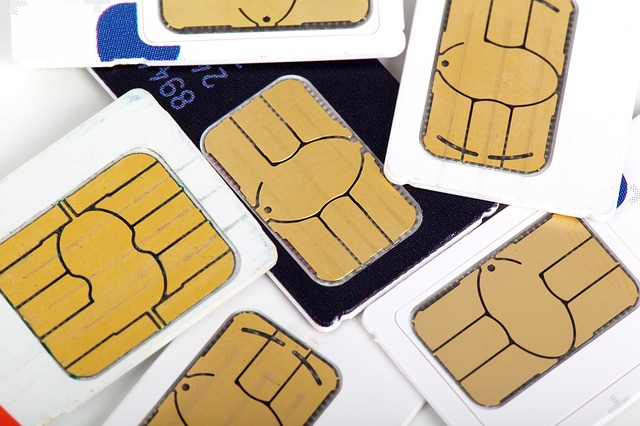
The global SIM works in all geographies and supports 2G, 3G, 4G and LTE standards. The company’s machine-to-machine (M2M) services also support 1xRTT, EV-DO and CDMA as separate modules outside of the SIM.
Users get new flexibility in deployment and monitoring with features that, for example, can schedule when a device should incur network charges or that notify administrators when devices are out-of-policy. Users can define their own alerts based upon availability and network activity and can monitor traffic at levels ranging from a single device to a constellation of thousands of devices.
“It’s a single portal; customers won’t realize what carrier or partner they’re using,” said Mohamad Nasser, senior director for MtoM products and marketing. “Whether your devices are deployed in North America, South America, Europe or Asia you’ll have end-to-end connectivity and management.”
On-boarding times have been reduced to between two and four weeks, with no charges assessed during the startup period. “Most carriers start to bill you the moment you activate the device,” Nasser said. “We have implemented technology that allows customers to activate but remain in a dormant state until use actually starts.”
Command Center is offered as software-as-a-service, but can be integrated with private network operations centers through published application program interfaces (APIs). The monitoring system is firewalled an on a virtual private network (VPN). In addition, each customer has a different encryption schedule. “We have not had any in four-and-a-half years,” Nasser said.
Sprint currently supports more than 6.2 million connected devices across its M2M networks, Nasser said. That puts the vendor well behind AT&T, which claims to manage nearly half of the estimated 42 million M2M devices that are connected globally. However, Nasser said the technical sophistication of Sprint’s network has the vendor poised to gain ground.
… We’d like to tell you about our mission and how you can help us fulfill it. SiliconANGLE Media Inc.’s business model is based on the intrinsic value of the content, not advertising. Unlike many online publications, we don’t have a paywall or run banner advertising, because we want to keep our journalism open, without influence or the need to chase traffic.The journalism, reporting and commentary on SiliconANGLE — along with live, unscripted video from our Silicon Valley studio and globe-trotting video teams at theCUBE — take a lot of hard work, time and money. Keeping the quality high requires the support of sponsors who are aligned with our vision of ad-free journalism content.
If you like the reporting, video interviews and other ad-free content here, please take a moment to check out a sample of the video content supported by our sponsors, tweet your support, and keep coming back to SiliconANGLE.






