



 NEWS
NEWS
NEWS
NEWS
NEWS

In the world of video game graphics, AMD is like the Pepsi to Nvidia’s Coca Cola. They have been battling for gaming supremacy for over a decade now, especially in high-end PC graphics, and much like the Cola Wars, the two companies are not above taking a few public potshots at one another.
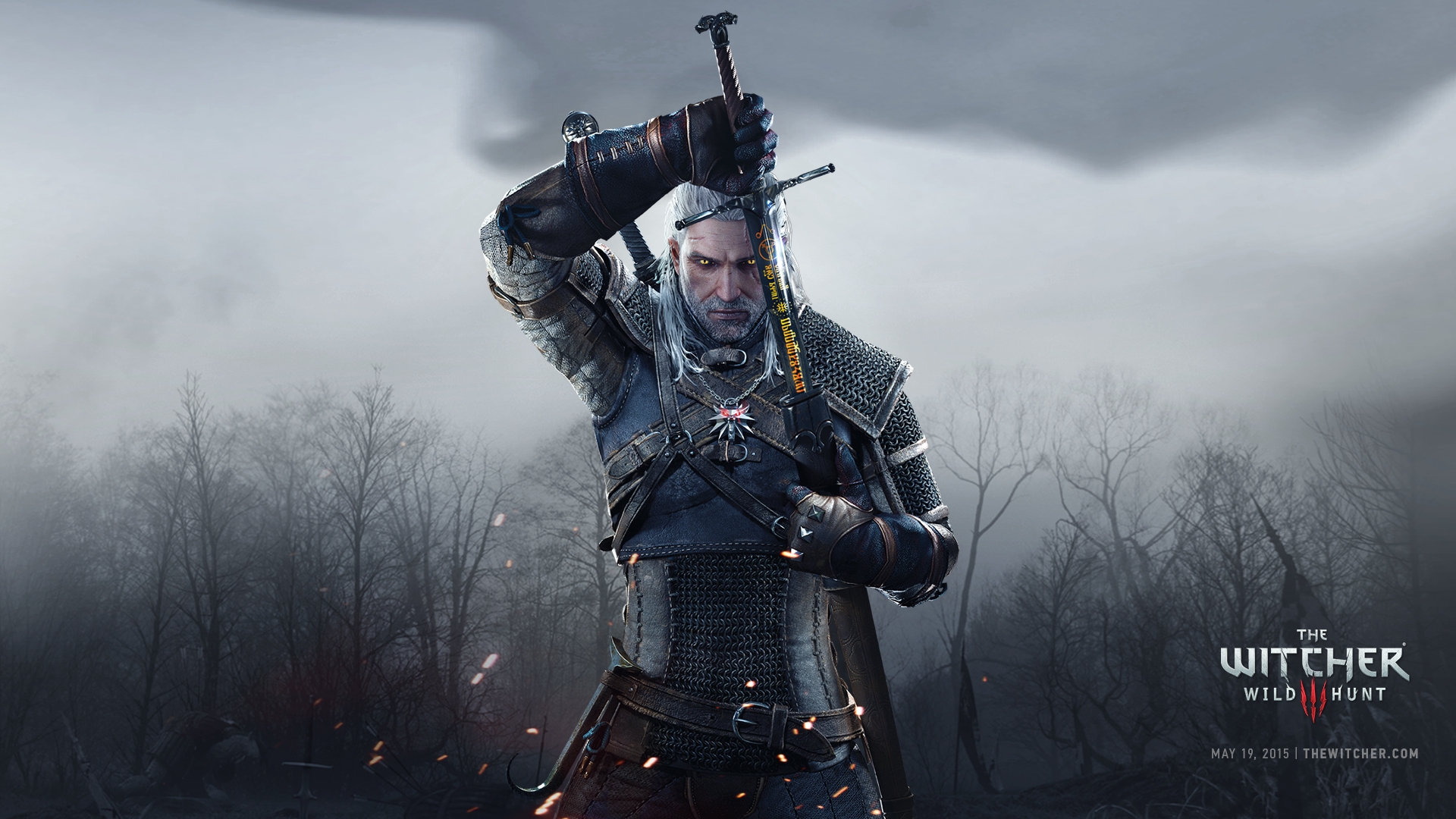
In an interview with Ars Technica UK this week, AMD’s chief gaming scientist Richard Huddy spoke out about performance issues affecting the recently released CD Projekt RED game, The Witcher 3: Wild Hunt.
When asked about claims that AMD did not offer enough support to CD Projekt to make the game run smoothly, Huddy responded, “That’s an unfortunate view, but that doesn’t follow from what we’re seeing. We’ve been working with CD Projeckt Red from the beginning. We’ve been giving them detailed feedback all the way through.”
Huddy specifically called out Nvidia’s HairWorks program, which simulates and renders fur and hair, as the primary culprit for the game’s performance problems.
“Around two months before release, or thereabouts, the [Nvidia] GameWorks code arrived with HairWorks, and it completely sabotaged our performance as far as we’re concerned,” Huddy said. “We were running well before that…it’s wrecked our performance, almost as if it was put in to achieve that goal.”
Huddy also said that he was told by CD Projekt management that the team had not been supplied with source code from Nvidia, despite Nvidia’s claims to the contrary.
AMD’s own hair simulation code, TressFX, was not used in The Witcher 3, and Huddy explained that when he asked the development team about including it, he was told “it was too late.”
… We’d like to tell you about our mission and how you can help us fulfill it. SiliconANGLE Media Inc.’s business model is based on the intrinsic value of the content, not advertising. Unlike many online publications, we don’t have a paywall or run banner advertising, because we want to keep our journalism open, without influence or the need to chase traffic.The journalism, reporting and commentary on SiliconANGLE — along with live, unscripted video from our Silicon Valley studio and globe-trotting video teams at theCUBE — take a lot of hard work, time and money. Keeping the quality high requires the support of sponsors who are aligned with our vision of ad-free journalism content.
If you like the reporting, video interviews and other ad-free content here, please take a moment to check out a sample of the video content supported by our sponsors, tweet your support, and keep coming back to SiliconANGLE.






