



 NEWS
NEWS
NEWS
NEWS
NEWS

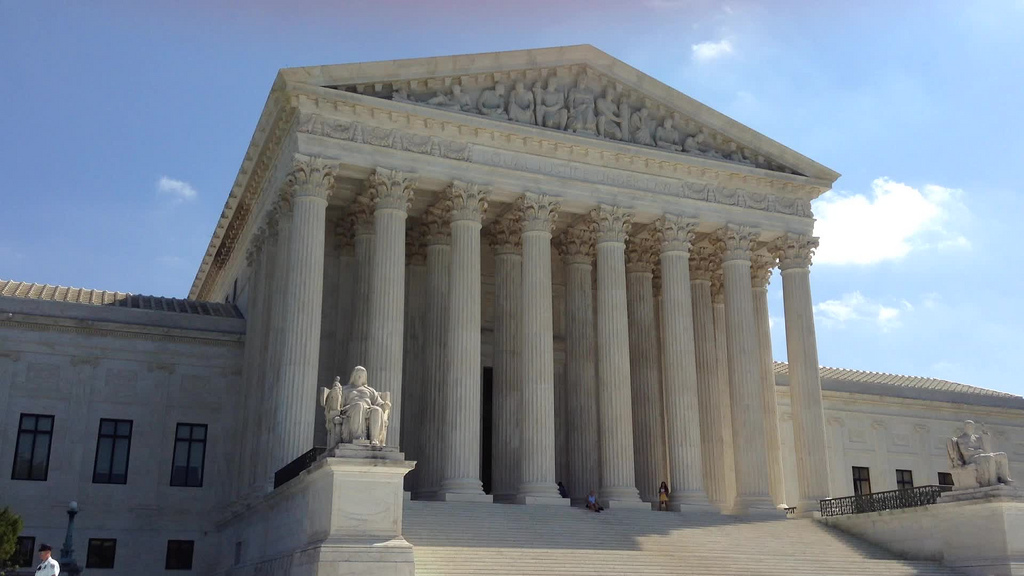
The Supreme Court has reversed the conviction of a man accused of sending his death threats to his wife and others via Facebook, and the case has raised new questions about when online threats are harmless venting and when they are serious threats.
Anthony Elonis served several years in jail for posting violent threats – which he called rap lyrics – to Facebook. In one post he referenced his wife’s Protection From Abuse (PFA) order against him, saying, “Fold up your PFA and put it in your pocket. Is it thick enough to stop a bullet?”
Elonis’ attorney, John Elwood, compared the rap lyrics to those of Eminem, who had also made references to violence against his ex-wife. Elwood claimed that the only difference between his client and Eminem is fame, and Elonis’ lyrics were simply a harmless form of expression that were meant “in jest.”
The Supreme Court seems to have agreed that the threats were not serious, as it has overturned Elonis’ conviction.
“Federal criminal liability generally does not turn solely on the results of an act without considering the defendant’s mental state,” wrote Chief Justice John Roberts. “That understanding ‘took deep and early root in American soil’ and Congress left it intact here.”
While the conviction was overturned by an 8-1 majority, Roberts and the court gave no official explanation for what mental state qualified for a legitimate threat.
Justice Samuel Alito agreed with overturning the conviction, but he severely criticized the court for failing to provide a clear ruling on the matter of what classifies the right mental state, saying, “The Court’s disposition of this case is certain to cause confusion and serious problems. Attorneys and judges need to know which mental state is required for conviction […] This case squarely presents that issue, but the Court provides only a partial answer. This will have regrettable consequences.”
With online harassment becoming an increasingly contentious issue in social media thanks to repeated examples of threats and bullying, the Supreme Court’s decision to avoid taking a stance means the debates will continue, and it largely falls to the social networks like Facebook and Twitter to moderate their own platforms.
Because we all know that has worked so well so far.
… We’d like to tell you about our mission and how you can help us fulfill it. SiliconANGLE Media Inc.’s business model is based on the intrinsic value of the content, not advertising. Unlike many online publications, we don’t have a paywall or run banner advertising, because we want to keep our journalism open, without influence or the need to chase traffic.The journalism, reporting and commentary on SiliconANGLE — along with live, unscripted video from our Silicon Valley studio and globe-trotting video teams at theCUBE — take a lot of hard work, time and money. Keeping the quality high requires the support of sponsors who are aligned with our vision of ad-free journalism content.
If you like the reporting, video interviews and other ad-free content here, please take a moment to check out a sample of the video content supported by our sponsors, tweet your support, and keep coming back to SiliconANGLE.






