



 NEWS
NEWS
NEWS
NEWS
NEWS

In the first case of its kind involving crowdfunding, the Federal Trade Commission (FTC) announced Thursday that it had taken legal action against a Kickstarter project founder who raised money for the project, then both failed to deliver the product and refused to give refunds.
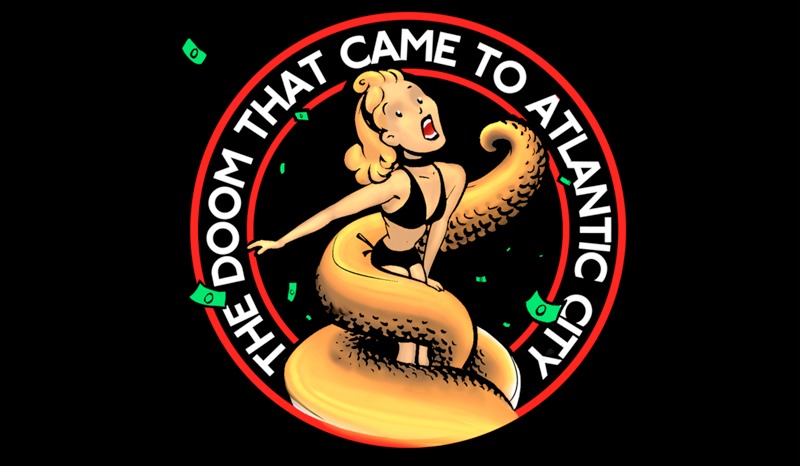
According to the FTC’s complaint, Erik Chevalier, doing business under the name The Forking Path Co., asked for money to produce a game created by two allegedly prominent board game artists called The Doom That Came to Atlantic City.
14 months after raising $122,000 from 1,246 backers after initially seeking only $35,000, Chevalier canceled the project and promised to refund the monies raised.
The refund never happened.
If deceptively promising a refund and not delivering is one bad thing, the story gets worse with the FTC finding instead that Chevalier spent most of the money on unrelated personal expenses such as rent, moving himself to Oregon, personal equipment, and licenses for a different project.
“Many consumers enjoy the opportunity to take part in the development of a product or service through crowdfunding, and they generally know there’s some uncertainty involved in helping start something new,” Director of the FTC’s Bureau of Consumer Protection Jessica Rich said. “But consumers should be able to trust their money will actually be spent on the project they funded.”
Chevalier and the FTC have settled the complaint, with Chevalier now prohibited from making misrepresentations about any crowdfunding campaign and from failing to honor stated refund policies.
He is also barred from disclosing or otherwise benefiting from customers’ personal information, and failing to dispose of such information properly.
Sadly for those out of pocket, while the order imposed a $111,793.71 judgment, it has been suspended due to Chevalier’s alleged inability to pay, with the proviso that should it be later found that he lied about his inability to pay, he’ll have cough up the money.
The good thing out of this news is that Federal Government involvement in the sector should deter at least some future attempts of fraud, and potentially opens the door for other dubious actors in the space to be prosecuted.
However, the question needs to be asked: how did this case get to the Feds when Kickstarter should have dealt with it to begin with?
As one wry observer noted “Kickstarter has outsourced its fraud prevention to the FTC.”
100 percent fraud free may be an impossible goal for crowdfunding sites, but there is without question room for the likes of Kickstarter to lift their game.
… We’d like to tell you about our mission and how you can help us fulfill it. SiliconANGLE Media Inc.’s business model is based on the intrinsic value of the content, not advertising. Unlike many online publications, we don’t have a paywall or run banner advertising, because we want to keep our journalism open, without influence or the need to chase traffic.The journalism, reporting and commentary on SiliconANGLE — along with live, unscripted video from our Silicon Valley studio and globe-trotting video teams at theCUBE — take a lot of hard work, time and money. Keeping the quality high requires the support of sponsors who are aligned with our vision of ad-free journalism content.
If you like the reporting, video interviews and other ad-free content here, please take a moment to check out a sample of the video content supported by our sponsors, tweet your support, and keep coming back to SiliconANGLE.






