



 NEWS
NEWS
NEWS
NEWS
NEWS

Indian cryptocurrency startup Trestor has completed a successful trial of its digital currency Trest in the African nation of Cameroon, demonstrating how altcoin can play a role within the third world.
The pilot program included the Cameroon government and Socapssi, an organization created in Cameroon to bridge the gap between the informal and national insurance sector to deliver last mile payment services.
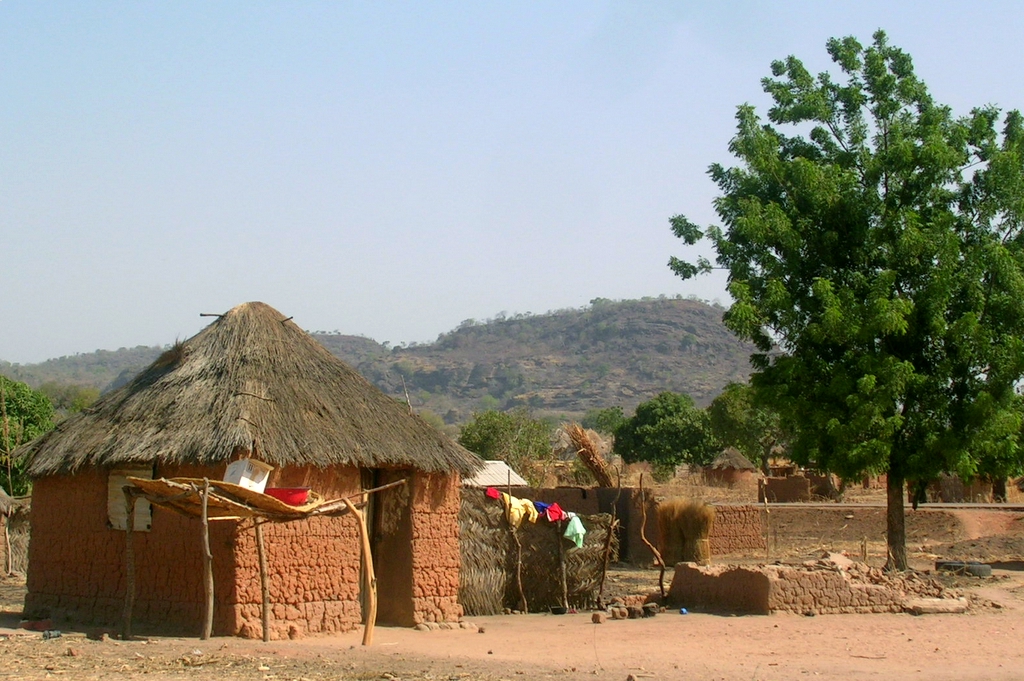
Cameroon, like many impoverished African nations, both lacks sufficient banking services and citizens with bank accounts, making traditional digital financial payment services extraordinarily difficult.
“We enrolled 500 people between the ages of 15 and 35 from a small economically-knit community,” Antoine De Padoue, founder of Socapssi said on the pilot. “We asked them to use ‘Trest’ as their default method of payment for 30 days. In short, we artificially created a Trest-based micro-economy. People were able to comprehend and understand this very new method of payment.”
De Padoue added that those who participated in the pilot program were excited by it, and started improvising their own uses for Trest payments within the first five days of the pilot.
The pilot found that quantifiable efficiency gains and the benefits of digital payments far outweighed any negatives.
The success of the pilot has meant that the Cameroon Government has committed to a full-scale roll-out of Trest payments, with a plan to have 500 Trestor retail partners established across Cameroon in the next 12 months.
Along the benefits of transactional digital payments, the project is also expected to have other benefits, including the creation of some 1,200 to 1,800 direct jobs.
“Trestor and Socapssi have created a payment system where none existed. Trestor has successfully demonstrated that peer-to-peer payments can still function in areas with practically zero banking and telecom infrastructure,” Trestor founder Kunal Dixita added.
The fascinating application of a cryptocurrency in the third world demonstrates that perhaps the future for at least some altcoins doesn’t lie in the West, but in providing services to countries in places like Africa, particularly in countries that don’t have a solid foundation in existing financial service providers.
While altcoins are a dime a dozen in 2015, this is the first time a non-Bitcoin cryptocurrency has been used in this way in the third world, with the note that there are a number of interesting Bitcoin startups doing similar things across the continent.
It will be interesting to see if Bitcoin becomes the preferred choice of digital financial payments long term in African countries, or more tailored solutions, such as being provided by Trestor, may become the better working model given one African country to the other is often very different.
… We’d like to tell you about our mission and how you can help us fulfill it. SiliconANGLE Media Inc.’s business model is based on the intrinsic value of the content, not advertising. Unlike many online publications, we don’t have a paywall or run banner advertising, because we want to keep our journalism open, without influence or the need to chase traffic.The journalism, reporting and commentary on SiliconANGLE — along with live, unscripted video from our Silicon Valley studio and globe-trotting video teams at theCUBE — take a lot of hard work, time and money. Keeping the quality high requires the support of sponsors who are aligned with our vision of ad-free journalism content.
If you like the reporting, video interviews and other ad-free content here, please take a moment to check out a sample of the video content supported by our sponsors, tweet your support, and keep coming back to SiliconANGLE.






