



 NEWS
NEWS
NEWS
NEWS
NEWS

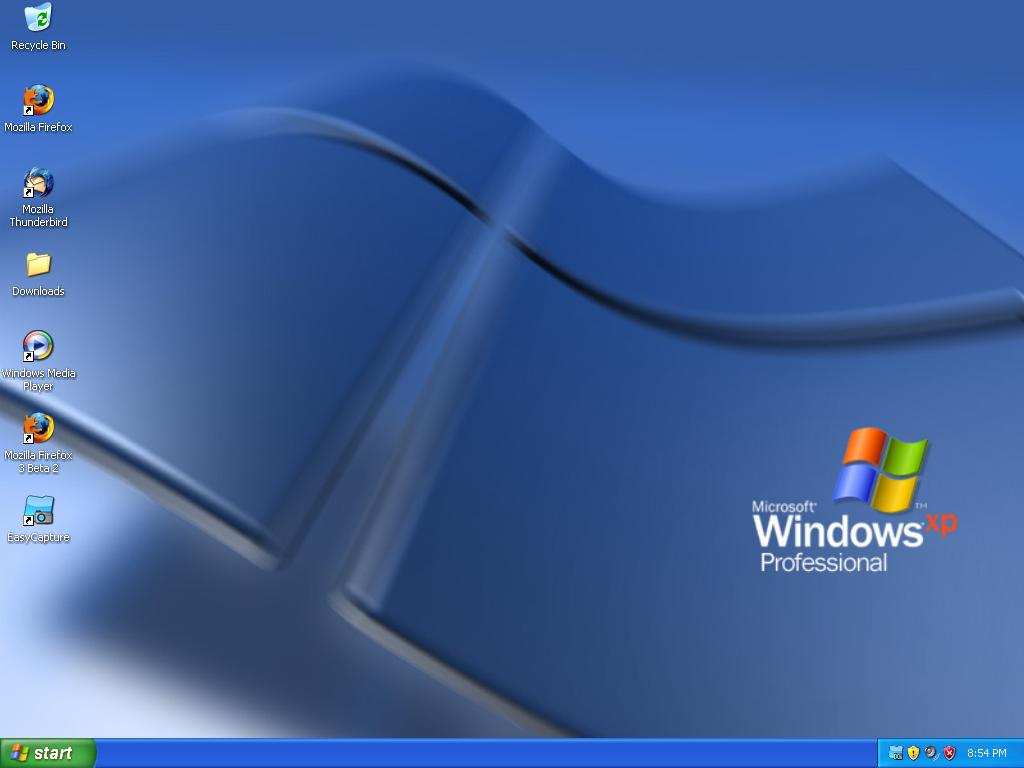
You may not have been able to buy Windows XP since 2010, and Microsoft stopped support for it almost this time last year, but that doesn’t mean Microsoft isn’t still cashing in on the popular OS. The U.S. navy has just paid Redmond a handsome $9.1 million for continued support for Windows XP, Office 2003, Exchange 2003 and Windows Server 2003. In fact the contract, that may well be extended until 2017, could be worth as much as $30.8 million. Not bad for three abandoned products (Windows Server 2003 will become obsolete on July 14 this year).
Why has the navy forked out this much? Because its 100,000 computers have still yet to transition away from the older software. While Microsoft doesn’t technically offer support for old systems, it obviously will if the price is right. Steven Davis, speaking for the Space and Naval Warfare System Command in San Diego, said the “Navy relies on a number of legacy applications and programs that are reliant on legacy Windows product,” adding that, “Until those applications and programs are modernized or phased out, this continuity of services is required to maintain operational effectiveness.” The navy added in a document that it plans to migrate its systems, but without support vulnerabilities will occur and that could, “make the U.S. Navy more susceptible to intrusion.”
The U.S. Navy is not the only big fish keeping Windows XP alive. The U.K. government paid Microsoft a hefty sum last year for continued support of XP, and at the same time so did the Dutch government. According to web analytics firm Net Applications it’s thought that as much as 15 percent of desktop computers accessing the web are running Windows XP.
Photo credit: Nick Perla via Flickr
… We’d like to tell you about our mission and how you can help us fulfill it. SiliconANGLE Media Inc.’s business model is based on the intrinsic value of the content, not advertising. Unlike many online publications, we don’t have a paywall or run banner advertising, because we want to keep our journalism open, without influence or the need to chase traffic.The journalism, reporting and commentary on SiliconANGLE — along with live, unscripted video from our Silicon Valley studio and globe-trotting video teams at theCUBE — take a lot of hard work, time and money. Keeping the quality high requires the support of sponsors who are aligned with our vision of ad-free journalism content.
If you like the reporting, video interviews and other ad-free content here, please take a moment to check out a sample of the video content supported by our sponsors, tweet your support, and keep coming back to SiliconANGLE.






