



 NEWS
NEWS
NEWS
NEWS
NEWS

Back in March Microsoft and Japanese electronics company Kyocera Corporation came head to head when Microsoft sued the latter for violating seven patents on three of its products: Duraforce, Hydro, and Brigadier Android smartphones. At the time Microsoft asked a Seattle court for a sales injunction of the said phones, stating that Kyocera had infringed on its patents. Documents from the court reveal the patents related to such things as communications and display sensor technologies, power-saving, battery life, as well as network management. Redmond, however, sounded like it was ready to make a deal, with Microsoft deputy general counsel David Howard stating in March, “We respect Kyocera but we believe they need to license the patented technology they are using. We’re hopeful this case can be resolved amicably.”
And a deal has been struck. On July 2 Microsoft reported that the two companies had come to a patent-licensing arrangement that will enable, “The companies to use a broader range of each other’s technologies in their respective products through a patent cross license.” At the moment it’s not clear how this will work, or how much money will have to be paid to any of the parties.
The Japanese company now joins a line of firms who have been sued by Microsoft over Android phone patents. Motorola (2010), as well as Barnes & Noble (2011), both found themselves in court over patent infringement relating to Android devices. Only in March did Microsoft and Samsung come to a cross-licensing agreement after a long battle. Microsoft does quite well out of its Android patent license agreements, taking about $2 billion, it’s reported.
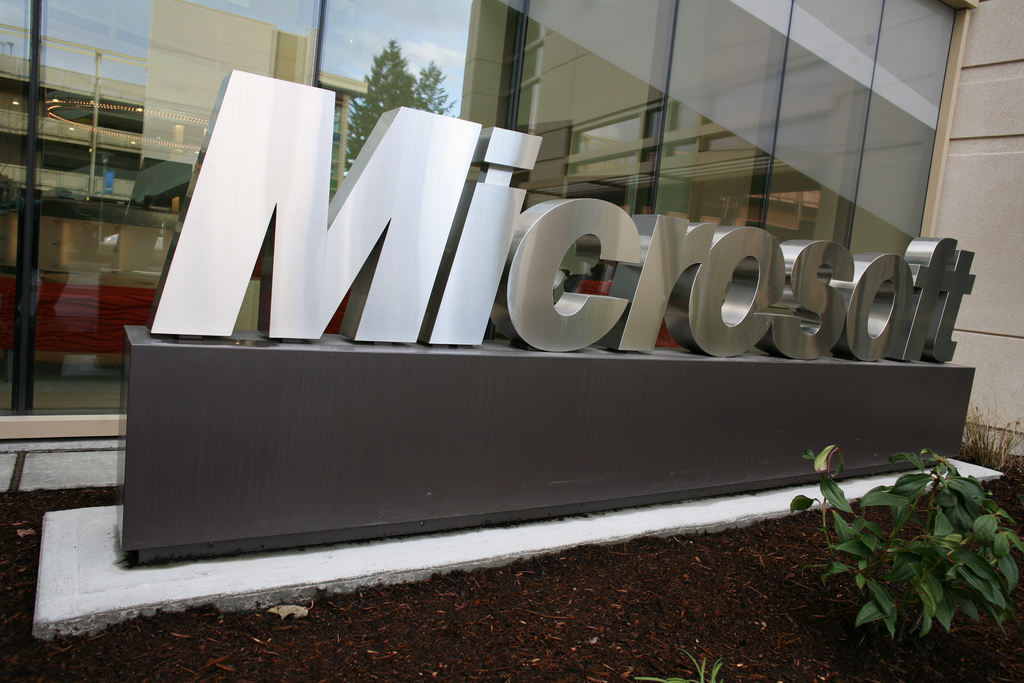
Photo credit: Robert Scoble via Flickr
… We’d like to tell you about our mission and how you can help us fulfill it. SiliconANGLE Media Inc.’s business model is based on the intrinsic value of the content, not advertising. Unlike many online publications, we don’t have a paywall or run banner advertising, because we want to keep our journalism open, without influence or the need to chase traffic.The journalism, reporting and commentary on SiliconANGLE — along with live, unscripted video from our Silicon Valley studio and globe-trotting video teams at theCUBE — take a lot of hard work, time and money. Keeping the quality high requires the support of sponsors who are aligned with our vision of ad-free journalism content.
If you like the reporting, video interviews and other ad-free content here, please take a moment to check out a sample of the video content supported by our sponsors, tweet your support, and keep coming back to SiliconANGLE.






