



 NEWS
NEWS
NEWS
NEWS
NEWS

To the surprise of no one, Microsoft said it will lay off up to 7,800 employees, primarily in its phone business, and record a charge of approximately $7.6 billion for its 2014 acquisition of the Nokia devices and services business during a Steve Ballmer rein that is increasingly looking like Microsoft’s Dark Ages. The drastic writedown comes in addition to a restructuring charge of between $750 million and $850 million, according to Fortune.
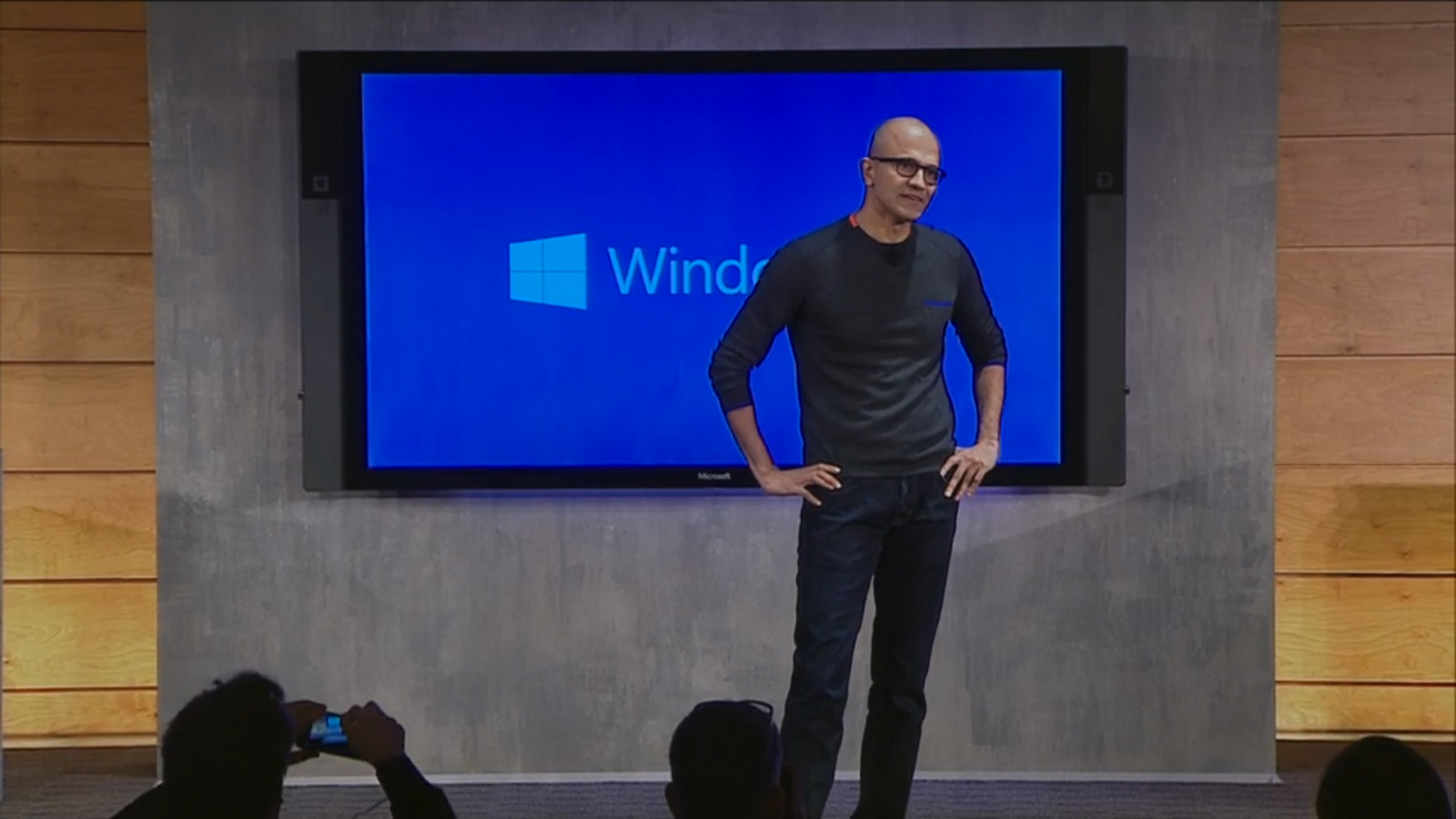
The news comes just one year after Microsoft announced its largest-ever layoff round of 18,000, and hits the company at a time of major restructuring. But CEO Satya Nadella has been prepping the public for a bumpy journey. In an effort to reorganize Microsoft around its core software business, the company has taken drastic steps in recent months, even selling off its advertising business to AOL.
The cuts to Microsoft’s phone business aren’t surprising, given that the company’s mobile efforts have been shaky for some time. Just weeks ago Microsoft said farewell to ex-Nokia execs Stephen Elop and Jo Harlow, who previously led the Windows Phone project.
“We are moving from a strategy to grow a standalone phone business to a strategy to grow and create a vibrant Windows ecosystem including our first-party device family,” Nadella said in an email to employees Wednesday, as reported by USA Today. “In the near-term, we’ll run a more effective and focused phone portfolio while retaining capability for long-term reinvention in mobility.”
This could mean more services for Microsoft’s mobile initiative, if the company is set on returning focus to its software roots. But even in light of layoffs and an apparent departure from Nokia devices, some analysts don’t see Microsoft fully escaping its own Windows Phone initiatives.
As SiliconANGLE‘s Mike Wheatley reported, Jan Dawson, Chief Analyst at Jackdaw Research, believes a full divestiture is unlikely because mobile is such an important part of Windows 10’s value proposition. He pointed out that the Microsoft devices business is about 95 percent of the Windows Phone market today, so ditching that business would decimate the Windows Phone market in total, not just rid Microsoft of a problematic business unit.
“I’m skeptical that Microsoft would drop Windows Phone at this point, because it feels like Windows 10 is the last big opportunity for it to turn things around in mobile,” Dawson said.
For the moment, it appears that Microsoft has no intention of dropping Windows Phone, but the commodity handset business was always an uncomfortable fit for a company whose hardware efforts have concentrated on complex and innovative devices like the Xbox, Surface Tablet and HoloLens. The new products that came out of former Nokia business have received lackluster reviews and recorded mostly dismal sales. By throwing in the towel, Microsoft gets rid of a clumsy and resource-intensive business
… We’d like to tell you about our mission and how you can help us fulfill it. SiliconANGLE Media Inc.’s business model is based on the intrinsic value of the content, not advertising. Unlike many online publications, we don’t have a paywall or run banner advertising, because we want to keep our journalism open, without influence or the need to chase traffic.The journalism, reporting and commentary on SiliconANGLE — along with live, unscripted video from our Silicon Valley studio and globe-trotting video teams at theCUBE — take a lot of hard work, time and money. Keeping the quality high requires the support of sponsors who are aligned with our vision of ad-free journalism content.
If you like the reporting, video interviews and other ad-free content here, please take a moment to check out a sample of the video content supported by our sponsors, tweet your support, and keep coming back to SiliconANGLE.






