 WIKIBON
WIKIBON
WIKIBON






WIKIBON

CIOs of established mid-sized to large organizations faced with the choice of cloud strategies are almost always well-advised to choose a hybrid cloud approach rather than a mass migration t0 public cloud. A hybrid cloud allows IT to keep its existing, usually large portfolio of legacy applications, and the associated data, in-house, simply adding a cloud layer, while developing new applications in the public cloud when that offers advantages.
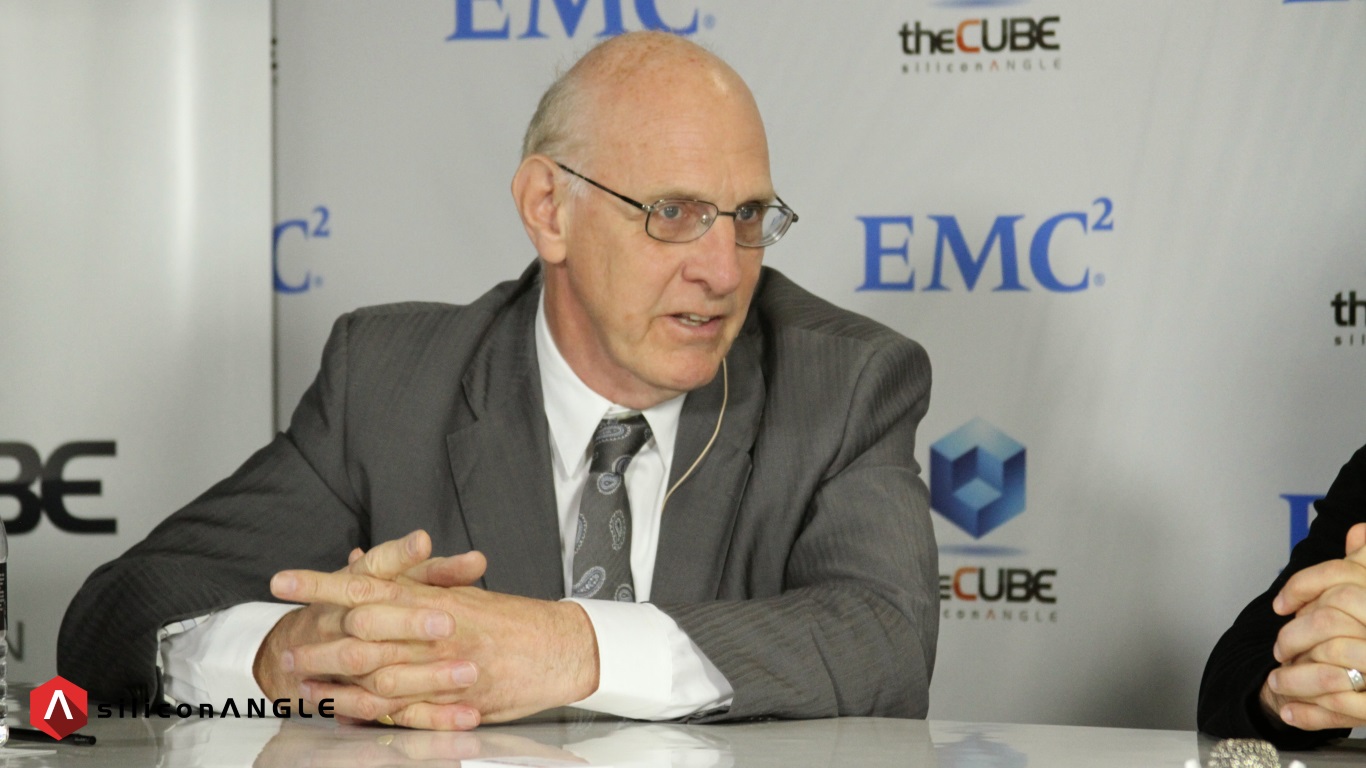
Most importantly, writes Wikibon CTO David Floyer in “Strategic Comparison of Public Cloud versus Hybrid Cloud,” a hybrid strategy allows IT to maintain existing workflows, while a public cloud strategy requires creating and adapting the organization to a new set of workflows. As a result, Floyer estimates that for the average organization conversion to a hybrid cloud can be accomplished in four months, with a breakeven point of six months, while moving everything to a public cloud has a breakeven point of 25 months (see graph above). A full migration also requires a company to freeze its applications for a much longer period, creating business risk.
Floyer argues that the advantages usually cited for a public cloud strategy – bursting, following the sun and migrating workloads for fast disaster recovery – are exaggerated. In many cases applications are rooted in a specific physical location by the large amounts of data often associated with them. This data is difficult, time-consuming and expensive to move.
A hybrid architecture also provides a structure for moving applications to the public cloud or replacing them with more modern public cloud alternatives over time when that provides a compelling business advantage. A well-designed hybrid cloud provides a platform for taking advantage of multiple public clouds from different providers – including software-as-a-service, platform-as-a-service and infrastructure-as-a-service – while maintaining integration and data-sharing among applications. Floyer suggests that companies collocate their private clouds in facilities that provide strong connectivity to multiple leading cloud service providers.
Floyer’s full study compares the financial implications of a hybrid versus public cloud strategy for an average company with $1 billion in revenue and 4,000 employees in detail. His full analysis is available on the new Wikibon Premium site.
Support our mission to keep content open and free by engaging with theCUBE community. Join theCUBE’s Alumni Trust Network, where technology leaders connect, share intelligence and create opportunities.
Founded by tech visionaries John Furrier and Dave Vellante, SiliconANGLE Media has built a dynamic ecosystem of industry-leading digital media brands that reach 15+ million elite tech professionals. Our new proprietary theCUBE AI Video Cloud is breaking ground in audience interaction, leveraging theCUBEai.com neural network to help technology companies make data-driven decisions and stay at the forefront of industry conversations.





