



 NEWS
NEWS
NEWS
NEWS
NEWS

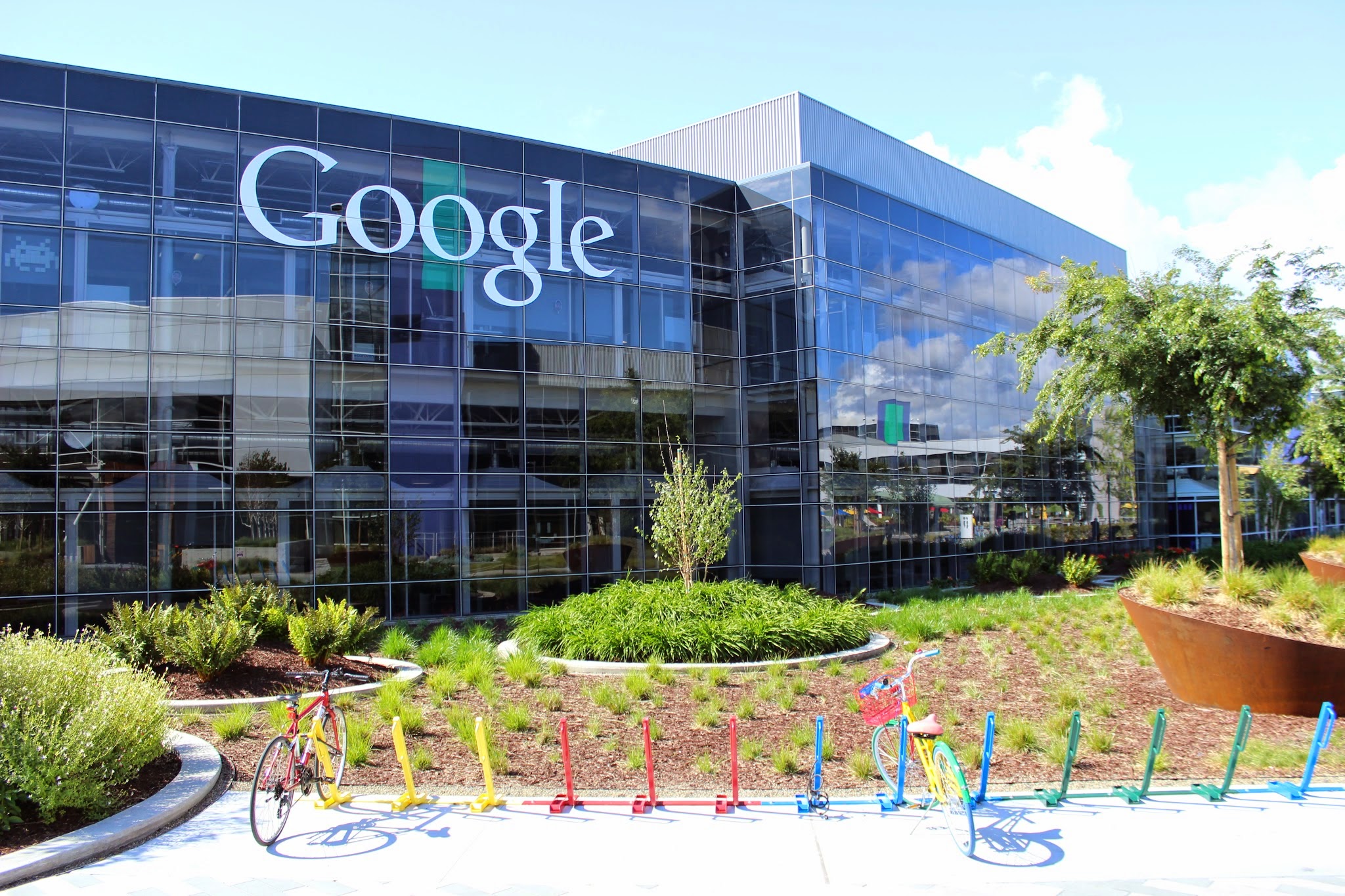
Google Inc released a statement on Thursday saying that it will refuse to comply with a French privacy group’s demands to apply the E.U.’s “right to be forgotten” law to Google’s services outside of Europe.
Last month, the Commission Nationale de l’Informatique et des Libertés’ (CNIL), a French privacy watchdog, ordered Google to comply with users’ requests to have their names globally removed from its search results, but Google says that CNIL has no authority to make such a demand.
“This is a troubling development that risks serious chilling effects on the web,” Peter Fleischer, Google’s global privacy counsel, wrote in a blog post. “While the right to be forgotten may now be the law in Europe, it is not the law globally. Moreover, there are innumerable examples around the world where content that is declared illegal under the laws of one country, would be deemed legal in others: Thailand criminalizes some speech that is critical of its King, Turkey criminalizes some speech that is critical of Ataturk, and Russia outlaws some speech that is deemed to be ‘gay propaganda.’ ”
He added, “If the CNIL’s proposed approach were to be embraced as the standard for Internet regulation, we would find ourselves in a race to the bottom. In the end, the Internet would only be as free as the world’s least free place. We believe that no one country should have the authority to control what content someone in a second country can access.”
Google has appealed CNIL’s demands, and the French organization has said that it will consider Google’s request and make a revised decision within the next two months.
Google is not the only American company to face privacy woes in Europe. Facebook has also struggled with regulatory issues within the E.U., and earlier this year the social network was accused by a Belgian privacy watchdog of flaunting E.U. privacy laws.
In Facebook’s case, the main sticking point when it comes to regulation is the patchwork of jurisdictions that exist in the E.U., and Facebook claims that it will only comply with the privacy laws of Ireland, the location of its European headquarters.
… We’d like to tell you about our mission and how you can help us fulfill it. SiliconANGLE Media Inc.’s business model is based on the intrinsic value of the content, not advertising. Unlike many online publications, we don’t have a paywall or run banner advertising, because we want to keep our journalism open, without influence or the need to chase traffic.The journalism, reporting and commentary on SiliconANGLE — along with live, unscripted video from our Silicon Valley studio and globe-trotting video teams at theCUBE — take a lot of hard work, time and money. Keeping the quality high requires the support of sponsors who are aligned with our vision of ad-free journalism content.
If you like the reporting, video interviews and other ad-free content here, please take a moment to check out a sample of the video content supported by our sponsors, tweet your support, and keep coming back to SiliconANGLE.






