



 NEWS
NEWS
NEWS
NEWS
NEWS

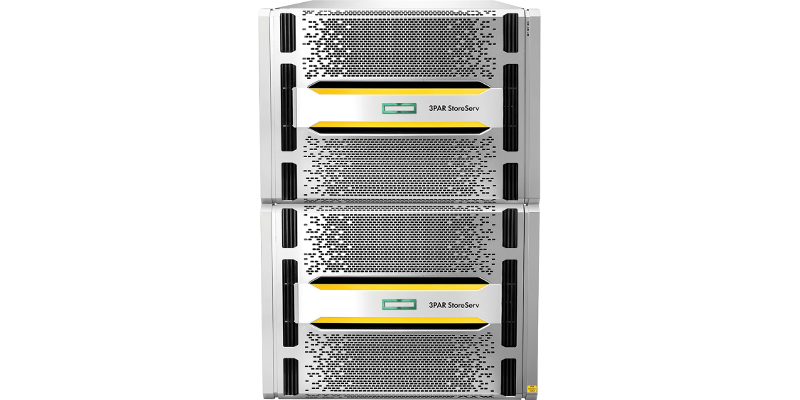
In the first major update to its flagship 3PAR storage array lineup since becoming an independent company two weeks ago, Hewlett Packard Enterprise is rolling out new solid-state memory drives based on the latest 3D NAND specification that can be retrofitted into existing deployments. The launch comes less than six months after Dell Inc. revealed plans to add support for the technology to its rivaling flash systems and is motivated by many of the same reasons.
Placed under a microscope, 3D NAND memory appears as a series of vertical structures that are capable of packing considerably more capacity on a given area than traditional horizontal implementations that arrange flash cells in a single layer. The resulting density improvement significantly increases the amount of information that can be stored in a flash drive and makes keeping up with long-term data growth easier for manufacturers since there’s plenty of room to add more transistors at the top. That is not to say the process is simple, but it’s still a lot easier than scaling the previous generation of solid-state memory technology.
The fact that all the transistors in the drives powering current 3PAR flash configurations are located on the same plane means that the only way to increase their density is by reducing the diameter of the individual cells, a much more difficult proposition. It can also lead to reliability issues since the amount of voltage a transistor can hold is directly proportional to its size. In other words, the smaller a node is, the more vulnerable the data inside becomes to the natural electron loss that occurs over time in solid-state memory. Using 3D NAND removes both issues with the same stroke.
The new drives thus present HPE customers a convenient way of upping both the longevity and capacity of their storage infrastructure without having to buy more arrays. The SSDs will become available for 3PAR StoreServ systems in the middle of next month at a starting price of $2,075 and are set to be joined by four new single-node additions to the StoreOnce line of derivative backup appliances that likewise tout significant efficiency improvements over previous-generation hardware. The most expensive of the bunch is described as 2.7 times denser than EMC Corp.’s closest alternative.
… We’d like to tell you about our mission and how you can help us fulfill it. SiliconANGLE Media Inc.’s business model is based on the intrinsic value of the content, not advertising. Unlike many online publications, we don’t have a paywall or run banner advertising, because we want to keep our journalism open, without influence or the need to chase traffic.The journalism, reporting and commentary on SiliconANGLE — along with live, unscripted video from our Silicon Valley studio and globe-trotting video teams at theCUBE — take a lot of hard work, time and money. Keeping the quality high requires the support of sponsors who are aligned with our vision of ad-free journalism content.
If you like the reporting, video interviews and other ad-free content here, please take a moment to check out a sample of the video content supported by our sponsors, tweet your support, and keep coming back to SiliconANGLE.






