



 NEWS
NEWS
NEWS
NEWS
NEWS

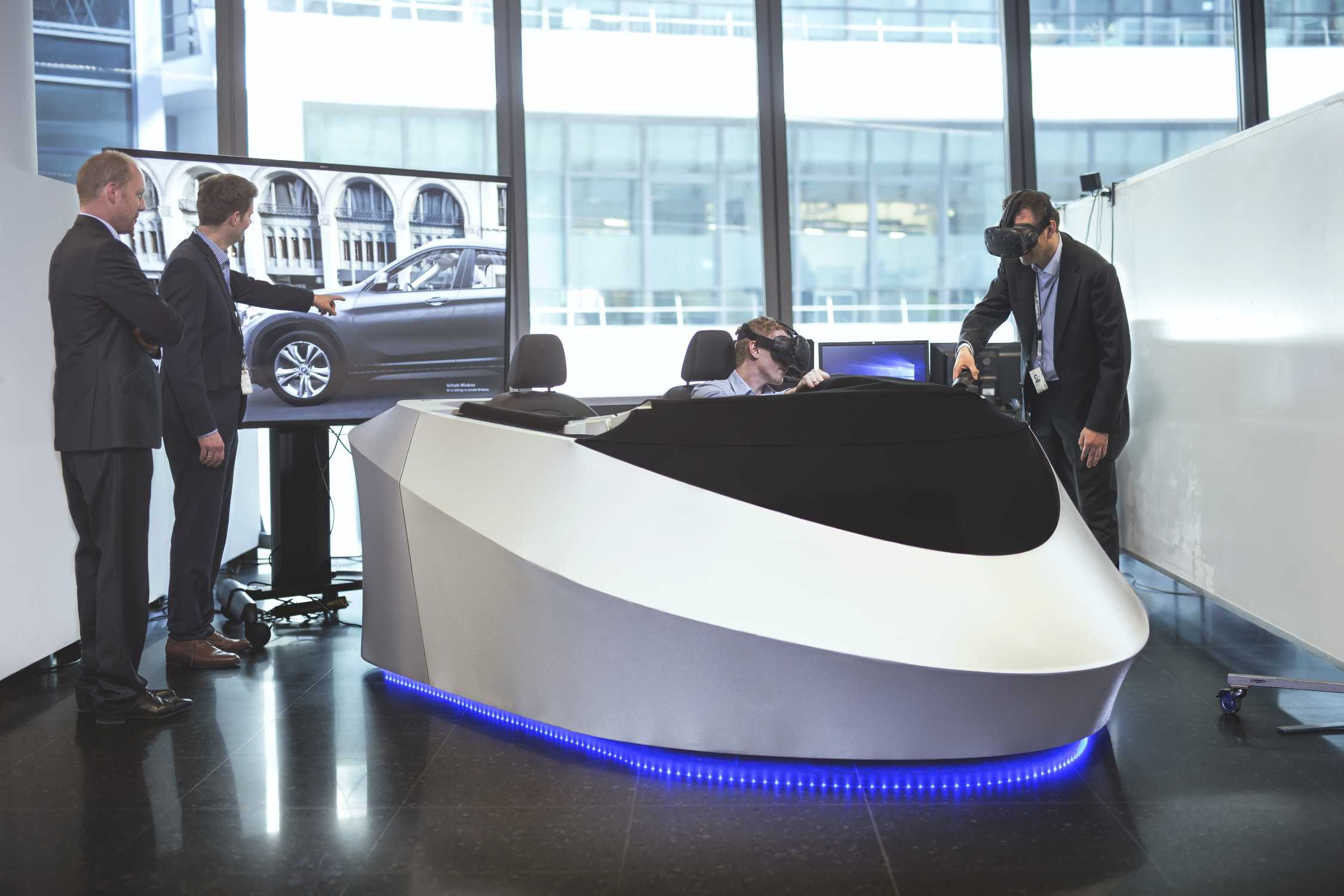
It seems obvious that virtual reality would have plenty of applications outside of gaming, but now that seems to apply to game engines as well, as German automobile manufacturer BMW AG has started designing cars using Unreal Engine 4 and the HTC Vive VR headset.
“BMW has become the first car manufacturer to introduce a mixed reality system into vehicle development that has been devised entirely using components from the computer games industry,” the company said in a press release. “This offers some significant advantages over the VR systems that have existed to date, and is the first step towards making virtual reality a very real part of many developer workstations in the not-too-distant future.”
BMW said that the new Vive-based system will greatly reduce the time and resources required for the earliest stages of development, allowing designers to easily make changes and test them quickly.
According to the company, it has been using virtual reality in its design processes since the 1990s, but the new Vive stations are smaller and more cost-effective, which means they can be installed at scale in normal offices rather than specialized facilities.
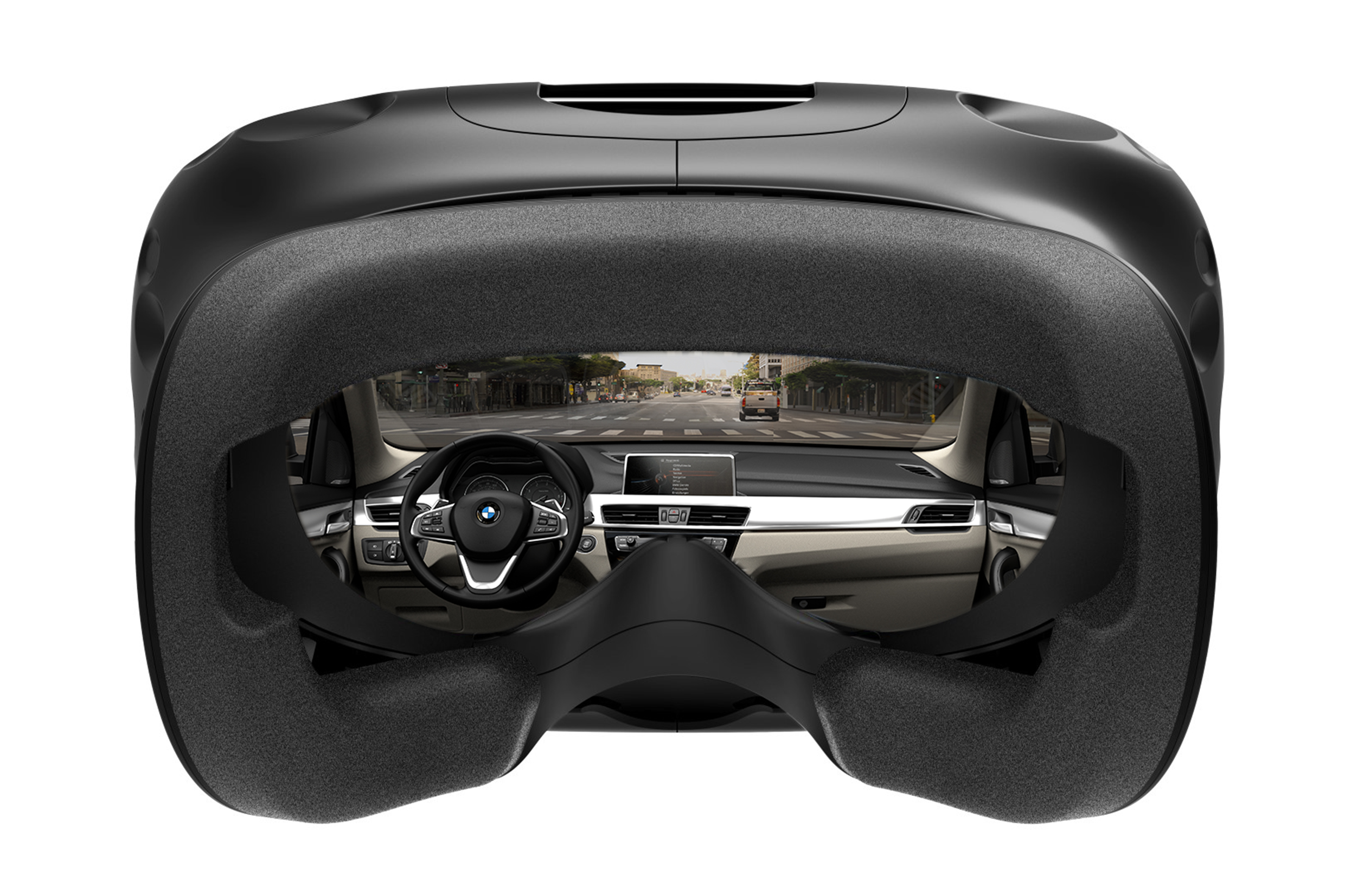
The advancements in VR technology have greatly increased the realism of virtual environments, which according to BMW, means that more and more features can be implemented and tested than ever before.
“Vehicle functions and new interior designs can quickly be modelled with the aid of the visual experiences,” BWM said in its release.
“This makes it possible to simulate drives through a city while testing what the all-round view of the surrounding area is like or whether a display is poorly legible or awkward to reach depending on the viewing angle or seat position. All the time, the development engineer has the impression of sitting in a real car in a real driving situation.”
Unreal Engine 4, the game engine used by BMW in its new VR setup, is a Triple-A game development system created by Epic Games, and it has been used to create a number of major video games. This includes several highly-anticipated VR titles like Eve: Valkyrie and ADR1FT.
“[Unreal Engine] enables stable rendering of 90 frames per second while achieving photo-realistic quality too,” BMW said. “The computation is performed using high-end gaming computers with water-cooled, overclocked components (including Intel Core i7 and two Nvidia Titan X graphic cards).”
“Further advances are expected in terms of both the headset hardware and software, and these will be evaluated at regular intervals.”
… We’d like to tell you about our mission and how you can help us fulfill it. SiliconANGLE Media Inc.’s business model is based on the intrinsic value of the content, not advertising. Unlike many online publications, we don’t have a paywall or run banner advertising, because we want to keep our journalism open, without influence or the need to chase traffic.The journalism, reporting and commentary on SiliconANGLE — along with live, unscripted video from our Silicon Valley studio and globe-trotting video teams at theCUBE — take a lot of hard work, time and money. Keeping the quality high requires the support of sponsors who are aligned with our vision of ad-free journalism content.
If you like the reporting, video interviews and other ad-free content here, please take a moment to check out a sample of the video content supported by our sponsors, tweet your support, and keep coming back to SiliconANGLE.






