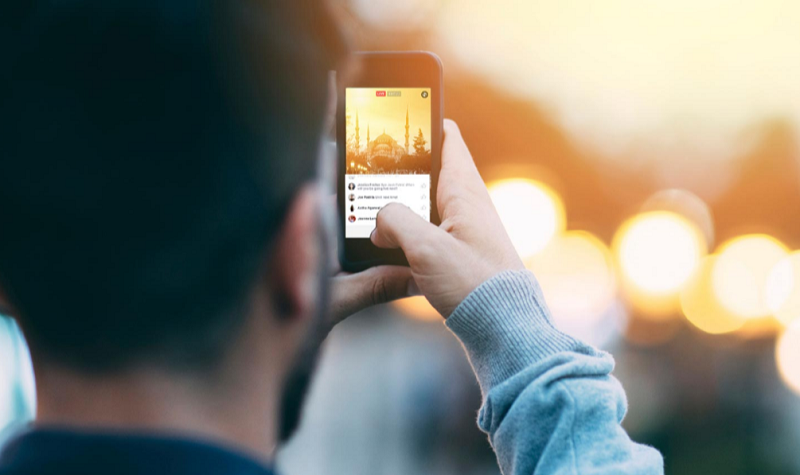







Facebook Live is receiving a few new updates including Continuous Live broadcasts allowing for non-stop live broadcasts, like nature feeds. Broadcasters will also be able to limit their videos to a certain location or age group with geo- and age-gating. In addition, Facebook Inc. is also introducing a graph that will show when the most engagement occurred during a Live video, allowing you to easily jump ahead to the best parts of the video during a replay.
Here is a look at the new updates coming to Facebook Live as well as the most popular Facebook Live video to date.
Facebook has revealed to TechCrunch that it will allow Continuous Live Video that will not be limited to the current 90-minute timeframe. Facebook revealed to TechCrunch that the Continuous Live API “enables persistent streams like nature feeds, 24-hour windows into major landmarks or cameras trained on a pit full of puppies.”
The only disadvantage for broadcasters of Continuous Live Videos is the fact that videos will not be saved so watchers will not be able to replay the video or rewind it, unlike normal Facebook Live videos.
Facebook launched its Live API at its F8 conference last month, allowing professional broadcasters to use their high-grade cameras and production setups to broadcast live. Since launching the developer toolkit, the company’s number of partners has risen from 12 to more than 100.
Companies are already making the most of Continuous Live Videos, like explore.org with its nature camera live broadcasting a nest of bald eagles in Decorah, Iowa.
Other new features for Facebook Live is the ability for broadcasters to geogate and age-gate its videos.
Broadcasters will be able to use geogating to make the video only visible to people in a specific area, assisting broadcasters where videos are only relevant for a specific location or where they are constricted by broadcast rights. Broadcasters will also have the ability to set a timeframe before the video is deleted, allowing for broadcasters to create urgency or remove a video when it is no longer relevant.
When a video is only relevant for individuals over a certain age, for example, alcohol companies wanting to make use of Facebook Live, broadcasters can use age-gating to restrict the video to individuals over 21.
During a Facebook Live broadcast, people watching the video are able to engage with the broadcaster by adding comments and reaction emojis, which can then be seen by the broadcaster. To allow users to jump ahead in a replay of a Live video, Facebook will provide a reaction volume graph so that users can see when engagement peaked and the video really got interesting. Facebook told TechCrunch that the visualized timeline will be overlaid on the progress bar, allowing users to avoid having to guess when a video actually gets interesting. The company said the new engagement graph would start rolling out to some users now.
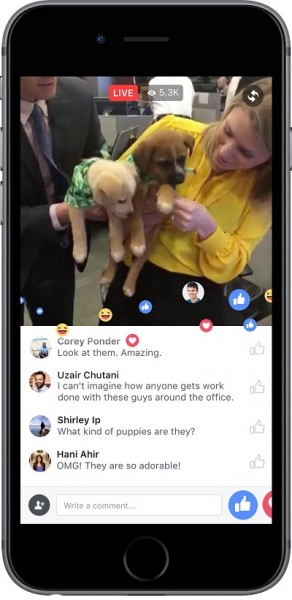
In April, Facebook introduced the ability for broadcasters to see live reactions, including Like, Love, Haha, Wow, Sad or Angry, during the live video. The company also revealed to TechCrunch that it will start showing the Live video reactions during replays of videos as and when they occurred during the live version.
Candace Payne went live with her video entitled “It’s the simple joys in life…” on May, 20. Since then her hilarious Facebook Live video of her trying on a Chewbacca mask has gone viral. It has been shared over 3 million times and has been watched nearly 140 million times, at the time of this post, making it the most watched video on Facebook Live.
If you are new to Facebook Live make sure you check out our tutorials on how to use Facebook Live on Android and iOS.
Support our mission to keep content open and free by engaging with theCUBE community. Join theCUBE’s Alumni Trust Network, where technology leaders connect, share intelligence and create opportunities.
Founded by tech visionaries John Furrier and Dave Vellante, SiliconANGLE Media has built a dynamic ecosystem of industry-leading digital media brands that reach 15+ million elite tech professionals. Our new proprietary theCUBE AI Video Cloud is breaking ground in audience interaction, leveraging theCUBEai.com neural network to help technology companies make data-driven decisions and stay at the forefront of industry conversations.





