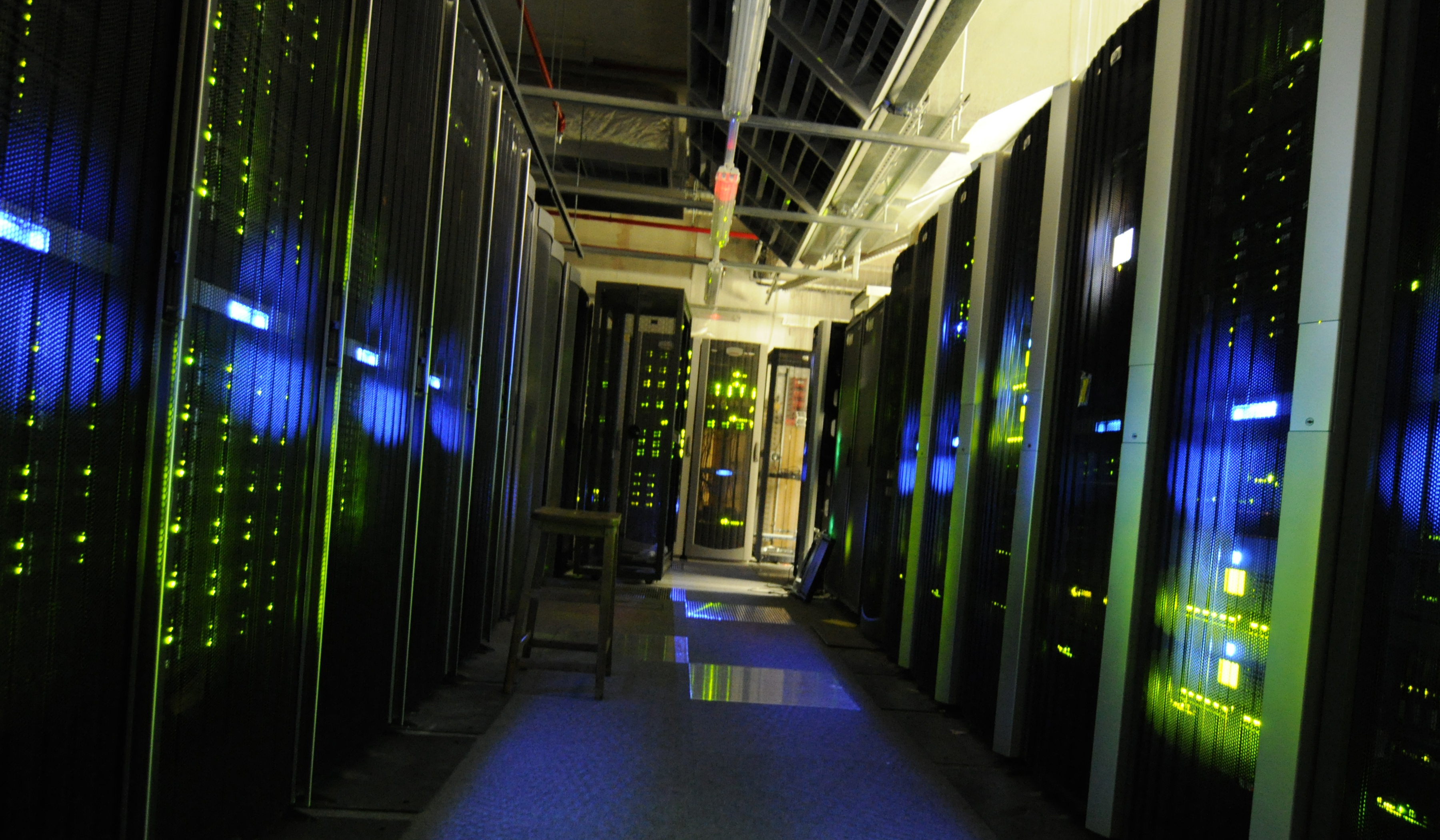

Five months after joining the Open Compute Project (OCP) to help widen the adoption of hyperscale hardware, Google is apparently already in the thick of things. The search giant announced this week that it’s collaborating with Facebook Inc. to develop a new data center rack design modeled after its own internal equipment.
Like most other members of the hyperscale club, Google develops hardware with one main goal in mind: efficiency. The company serves billions of search requests every day and must handle the load as economically as possible to keep technology expenses manageable. Its newly announced Open Rack 2.0 specification aims to help less savvy organizations achieve a similar operating standard by dramatically reducing the amount of energy needed to support OCP servers. The secret sauce is a a unique 48-volt electric architecture complete with custom power shelves, rectifiers, rack management controllers and rack-level battery backup units meant to protect against outages.
Google claims that its internal 48-volt racks are 30 percent more energy efficient than the 12-volt closet it used up until 2010 and helped shave millions of dollars off the electricity bill since. Moreover, the new specification can also help improve the utilization of data center flow space thanks to a “modular shallow-depth form” specifically designed with OCP gear in mind. This feature should be especially appealing to organizations that keep their technology infrastructure in locations with limited real-estate options or high prices. However, not every company that could potentially benefit from the increased efficiency will be able to take advantage of the technology.
OCP designs are for the most part geared towards Fortune 500 enterprises and large service providers that use thousands of machines in their data centers. Google, Facebook and the other members are working to make their hardware more accessible, but the process is proving to be slow.
A case in point is that the search giant does not expect to make a formal submission of its new specification for review until later this year. In the meantime, it will collect feedback from the community about potential ways to improve the blueprint.
… We’d like to tell you about our mission and how you can help us fulfill it. SiliconANGLE Media Inc.’s business model is based on the intrinsic value of the content, not advertising. Unlike many online publications, we don’t have a paywall or run banner advertising, because we want to keep our journalism open, without influence or the need to chase traffic.The journalism, reporting and commentary on SiliconANGLE — along with live, unscripted video from our Silicon Valley studio and globe-trotting video teams at theCUBE — take a lot of hard work, time and money. Keeping the quality high requires the support of sponsors who are aligned with our vision of ad-free journalism content.
If you like the reporting, video interviews and other ad-free content here, please take a moment to check out a sample of the video content supported by our sponsors, tweet your support, and keep coming back to SiliconANGLE.