 WIKIBON
WIKIBON
WIKIBON






WIKIBON

New, more flexible architectures are emerging in cloud-native applications, writes Wikibon Analyst Brian Gracely. Understanding these new architectures — based on “The Twelve-Factor App” and cloud-native application architectures — is becoming a critical requirement for IT organizations and digital product teams. They shape best practices in three areas:
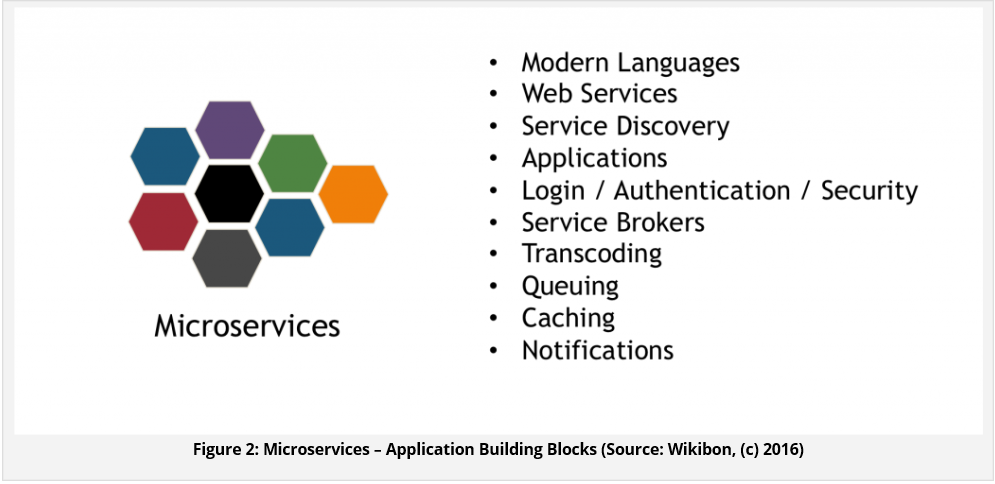
One basic concept of cloud-native architectures is the microservice. The application is divided into discrete, carefully defined functions. An ERP system, for instance, might have hundreds of these. Each function is encapsulated in a separate microservice that communicates with other microservices through standard APIs. Individual microservices can be upgraded or replaced without impacting the functionality of the others. New functions can be written quickly, tested separately, and plugged into the application when they are finished without requiring the extensive testing typical of monolithic applications. Bugs are much easier to isolate since they only disrupt one microservice.
This allows IT to respond quickly to specific requests from business users for changes and additions to the functions in applications. Amazon Web Services LLC, for instance, has built a reputation for one-week turn-arounds on customer requests for new functions because its software is all built from microservices.
It also means that functions such as print routines can be reused in multiple applications with the knowledge that they are bug-free, standardizing services and speeding development.
This is not a new idea. In the 1990s it was call object-oriented programming and later was revived as service-oriented architecture (SOA). But the latest version, which is part of a larger born-in-the-cloud software architecture, is actually gaining wide usage among the cloud giants and is beginning to migrate into the enterprise.
Wikibon Premium subscribers can read the full Professional Alert here. To learn about subscribing, look here.
Support our mission to keep content open and free by engaging with theCUBE community. Join theCUBE’s Alumni Trust Network, where technology leaders connect, share intelligence and create opportunities.
Founded by tech visionaries John Furrier and Dave Vellante, SiliconANGLE Media has built a dynamic ecosystem of industry-leading digital media brands that reach 15+ million elite tech professionals. Our new proprietary theCUBE AI Video Cloud is breaking ground in audience interaction, leveraging theCUBEai.com neural network to help technology companies make data-driven decisions and stay at the forefront of industry conversations.





