



 NEWS
NEWS
NEWS
NEWS
NEWS

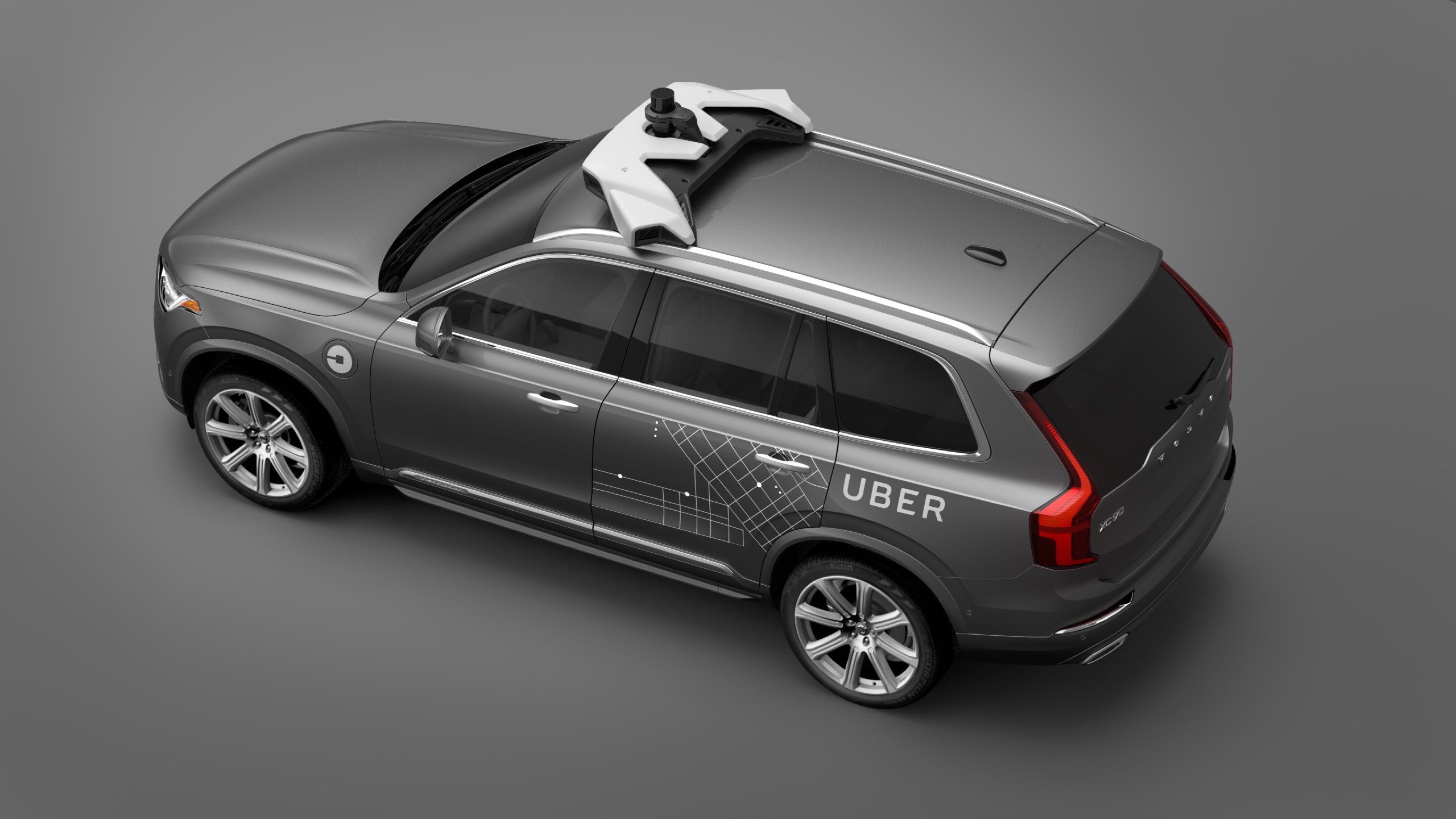
Ridesharing giant Uber Technologies, Inc. is about to change transport as we know it by launching a fleet of driverless cars onto the streets of Pittsburgh in what will go down in history as the first use of the technology for commercial transport purposes.
According to Bloomberg, who broke the news, Uber will allow customers in downtown Pittsburgh to summon self-driving cars from their phones starting “later this month.”
The fleet of driverless cars consists of a specially modified Volvo XC90 sport-utility vehicles outfitted with an array of cameras, lasers, radar and GPS to guide the vehicle, however at least initially the vehicles themselves will be supervised by a human in the drivers’ seat just in case something goes wrong.
At the time of writing, Volvo is described as only having delivered “a handful” of vehicles so far but is due to deliver 100 by the end of the year.
Along with the news of the rollout, both companies announced they have signed an agreement to establish a joint project that will develop new base vehicles that will be able to incorporate the latest developments in autonomous driving technologies; Volvo and Uber are contributing a combined $300 million to the project.
Interestingly the pitch towards rolling out driverless vehicles is one of safety, not completely unsurprisingly either given Volvo’s reputation for manufacturing safe vehicles.
“Volvo is a world leader in the development of active safety and autonomous drive technology and possesses an unrivaled safety credibility,” Volvo Cars President and Chief Executive Officer Håkan Samuelsson said in a statement. “We are very proud to be the partner of choice for Uber, one of the world’s leading technology companies. This alliance places Volvo at the heart of the current technological revolution in the automotive industry.”
To double down on that message, Uber Chief Executive Officer Travis Kalanick actually went as far as citing car accidents, adding:
“Over one million people die in car accidents every year. These are tragedies that self-driving technology can help solve, but we can’t do this alone. That’s why our partnership with a great manufacturer like Volvo is so important. Volvo is a leader in vehicle development and best-in-class when it comes to safety. By combining the capabilities of Uber and Volvo we will get to the future faster, together.”
There is no question that self-driving cars offer the promise of a safer future, but as Google has learned the hard way the problem isn’t so much that autonomous vehicles aren’t safe versus humans can be highly unpredictable.
Once the service is available in Pittsburgh Uber users will need to specifically book a driverless vehicle and the rides, at least to begin with, will be free.
… We’d like to tell you about our mission and how you can help us fulfill it. SiliconANGLE Media Inc.’s business model is based on the intrinsic value of the content, not advertising. Unlike many online publications, we don’t have a paywall or run banner advertising, because we want to keep our journalism open, without influence or the need to chase traffic.The journalism, reporting and commentary on SiliconANGLE — along with live, unscripted video from our Silicon Valley studio and globe-trotting video teams at theCUBE — take a lot of hard work, time and money. Keeping the quality high requires the support of sponsors who are aligned with our vision of ad-free journalism content.
If you like the reporting, video interviews and other ad-free content here, please take a moment to check out a sample of the video content supported by our sponsors, tweet your support, and keep coming back to SiliconANGLE.






