



 NEWS
NEWS
NEWS
NEWS
NEWS

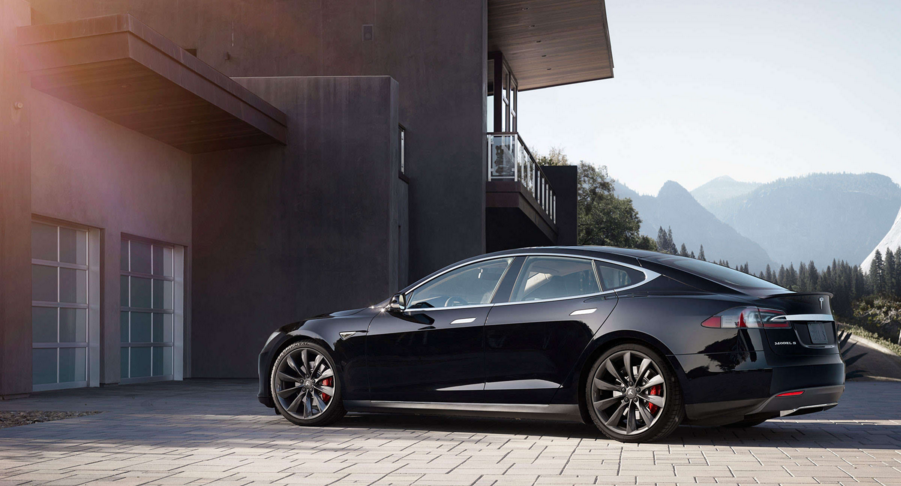
The German government has ordered Tesla Motors Inc. to stop using the term “autopilot” in advertisements for its cars over concerns that the term may overstate the feature’s actual capabilities, leading consumers to trust the autopilot more than they should.
“It can be confirmed that a letter to Tesla exists with the request to no longer use the misleading term Autopilot for the driver assistance system of the car,” a spokesperson for the German Federal Highway Research Institute (BASt) told Reuters.
Tesla has been facing some tough scrutiny in Germany in recent weeks after one of its vehicles collided with a bus on the Autobahn in September, allegedly while the car’s autopilot feature was engaged. While German authorities have not confirmed whether or not the autopilot feature was the cause of the accident, BASt released a highly critical report last week in which it called Tesla’s autopilot a “considerable traffic hazard.”
Tesla founder and Chief Executive Elon Musk criticized BASt’s report on Twitter, calling it “not actually based on science,” and a Tesla spokesperson pointed out that drivers are made fully aware of what autopilot can and cannot do. According to Tesla, all drivers are told that autopilot is still in its testing stages, and in order to activate the feature, they must first confirm a warning prompt in the vehicle. The company also instructs drivers to remain aware while using autopilot, and to be ready to take over manually at any moment.
In response to BASt’s latest action ordering Tesla to stop advertising the autopilot feature, a company spokesperson reiterated previous comments about the improved safety that autopilot supposedly provides.
“Just as in an airplane, when used properly, Autopilot reduces driver workload and provides an added layer of safety when compared to purely manual driving,” the spokesperson told Reuters.
Tesla’s woes in Germany pose a serious concern for self-driving car developers. While Tesla’s autopilot is more assisted driving than self-driving, it represents a baby step in the direction of truly autonomous vehicles, and Tesla’s struggles showcase many of the same challenges faced by the budding self-driving car industry, especially in regards to regulation and public perception.
One of the biggest concerns for the public when it comes to self-driving cars is safety, which is why incidents such as the recent Tesla collision on the Autobahn are bad news not only for Tesla, but for the entire industry.
… We’d like to tell you about our mission and how you can help us fulfill it. SiliconANGLE Media Inc.’s business model is based on the intrinsic value of the content, not advertising. Unlike many online publications, we don’t have a paywall or run banner advertising, because we want to keep our journalism open, without influence or the need to chase traffic.The journalism, reporting and commentary on SiliconANGLE — along with live, unscripted video from our Silicon Valley studio and globe-trotting video teams at theCUBE — take a lot of hard work, time and money. Keeping the quality high requires the support of sponsors who are aligned with our vision of ad-free journalism content.
If you like the reporting, video interviews and other ad-free content here, please take a moment to check out a sample of the video content supported by our sponsors, tweet your support, and keep coming back to SiliconANGLE.






