



 APPS
APPS
APPS
APPS
APPS

Fresh from its acquisition of audio and connected car device maker Harman International Industries Inc. for $8 billion, Samsung Electronics Co. Ltd. has made another acquisition in the form of NewNet Communication Technologies (Canada) Inc., a division of NewNet Communication Technologies BV that operates a Rich Communications Services business.
Rich Communications Services, often referred to simply as RCS, provide next generation mobile phone standards, most notably enhanced text messaging that supports chat, emoticons, location sharing and file sharing, in a similar way to chat apps such as Facebook Messenger or WhatsApp, but over the mobile phone network itself using the SMS capability versus using Internet connectivity.
Other features offered by RCS include the ability to see when someone is typing in response to a message, being able to receive notifications when someone has seen a message and support for group chats, something not currently supported by standard SMS services.
“This acquisition is a critical milestone not just for Samsung but also for the communications industry,” Samsung said in a statement. “As an end-to-end GSMA-compliant RCS solution, it will accelerate the deployment of RCS-enabled networks, providing consumers with a ubiquitous standards-based messaging and communications platform.”
“The acquisition will also enable Samsung to offer interoperable server solutions for mobile operators that do not already have their own RCS infrastructure. By driving significant value for operators and consumers, the mobile communications market can benefit from the broader communications ecosystem.”
Samsung isn’t the first large company to take an interest in the field. Google Inc. acquired RCS service Jibe Mobile Inc. in September 2015. That acquisition, much like Samsung’s, is all about pushing standards so that emergent RCS services are interoperable.
It may come as a surprise at a time where most people reading this will have access to mobile Internet services, negating the need to RCS enabled services. But as of September 2015, 4.2 billion people globally did not have any access to the Internet at all, and only 2.1 billion people are expected to own a smartphone by the end of this year.
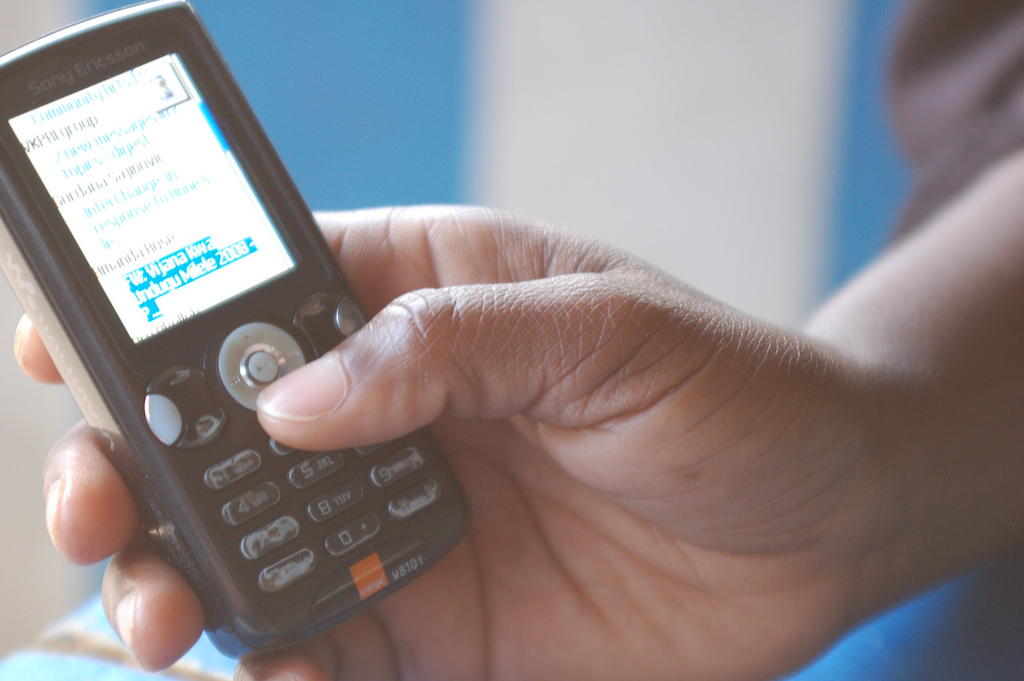
While smartphone penetration, and by extension access to the internet, continues to grow, some 2.5 billion people are using feature phones and likely will for years to come. That means RCS would deliver to those people services that they are otherwise unable to access or cannot afford to access.
… We’d like to tell you about our mission and how you can help us fulfill it. SiliconANGLE Media Inc.’s business model is based on the intrinsic value of the content, not advertising. Unlike many online publications, we don’t have a paywall or run banner advertising, because we want to keep our journalism open, without influence or the need to chase traffic.The journalism, reporting and commentary on SiliconANGLE — along with live, unscripted video from our Silicon Valley studio and globe-trotting video teams at theCUBE — take a lot of hard work, time and money. Keeping the quality high requires the support of sponsors who are aligned with our vision of ad-free journalism content.
If you like the reporting, video interviews and other ad-free content here, please take a moment to check out a sample of the video content supported by our sponsors, tweet your support, and keep coming back to SiliconANGLE.






