



 NEWS
NEWS
NEWS
NEWS
NEWS

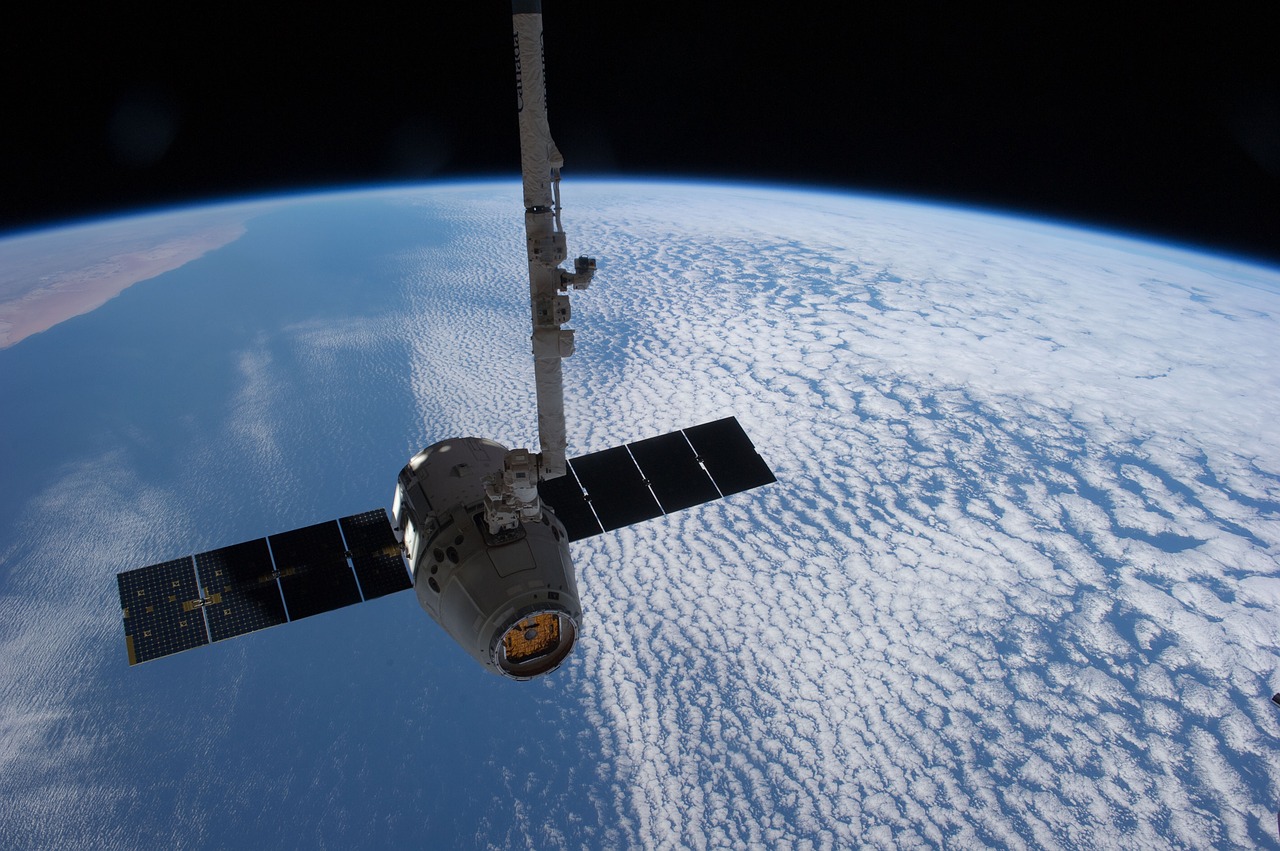
Elon Musk’s Space Exploration Technologies Corp., better known as SpaceX, has filed paperwork with the Federal Communications Commission to launch a staggering 4,425 satellites into space.
The satellites, first announced in January 2015, would be launched into low earth orbit and will provide speedier Internet access than is available from current satellites, which are at higher distances above the earth. The “space Internet” satellites will be deployed at altitudes ranging from 715 to 823 miles, versus existing satellites that provide Internet services at up an altitude of 22,000 miles, dramatically reducing lag time and in theory providing speeds that are similar to fiber optic cable.
More importantly, the sheer number of the satellites would provide global access, delivering speedy Internet to those in remote areas that don’t have or have limited access to the Internet today.
“Once fully optimized through the Final Deployment, the system will be able to provide high bandwidth (up to 1Gbps per user), low-latency broadband services for consumers and businesses in the US and globally,” SpaceX told the FCC. “Subject to additional development work, SpaceX plans to design and manufacture its own satellites, gateway earth stations, and user terminals.”
Each satellite, said to be in a design phase by SpaceX with a planned test date of mid-2017, will have downlink speed of 17 to 23 Gbps.
“With deployment of the first 800 satellites, the system will be able to provide US and international broadband connectivity; when fully deployed, the system will add capacity and availability at the equator and poles for truly global coverage,” SpaceX noted.
Currently there were only around 1,100 active satellites in orbit, with a further 2,600 non-active satellites, meaning SpaceX’s proposal would more than double the number of satellites circling the globe.
Not mentioned, though, is a problem SpaceX will need to overcome: the increasingly large amount of space junk in orbit. There are now over 500,000 pieces of debris in orbit, traveling at speeds up to 17,500 mph,”fast enough for a relatively small piece of orbital debris to damage a satellite or a spacecraft,” notes NASA. Satellites have been hit and destroyed before. With 4,425 satellites into orbit, the chance of some of those satellites being hit by space junk seems a distinct possibility.
A date for when the satellites might be launched has not been announced, but using both SpaceX’s Falcon 9 and as yet unreleased Falcon Heavy craft, it would take about 90 launches to get them all into space.
… We’d like to tell you about our mission and how you can help us fulfill it. SiliconANGLE Media Inc.’s business model is based on the intrinsic value of the content, not advertising. Unlike many online publications, we don’t have a paywall or run banner advertising, because we want to keep our journalism open, without influence or the need to chase traffic.The journalism, reporting and commentary on SiliconANGLE — along with live, unscripted video from our Silicon Valley studio and globe-trotting video teams at theCUBE — take a lot of hard work, time and money. Keeping the quality high requires the support of sponsors who are aligned with our vision of ad-free journalism content.
If you like the reporting, video interviews and other ad-free content here, please take a moment to check out a sample of the video content supported by our sponsors, tweet your support, and keep coming back to SiliconANGLE.






