 BIG DATA
BIG DATA
BIG DATA







BIG DATA

As companies struggle to break the networking bottleneck, the question of how to process Internet of Things data hangs in the air. Moving tons of data from sensors to the cloud over current networks is proving to be time consuming and costly. On the other hand, progress in compute power keeps zooming ahead. Some say the obvious solution is to forget moving the data around and simply bring computing to the edge.
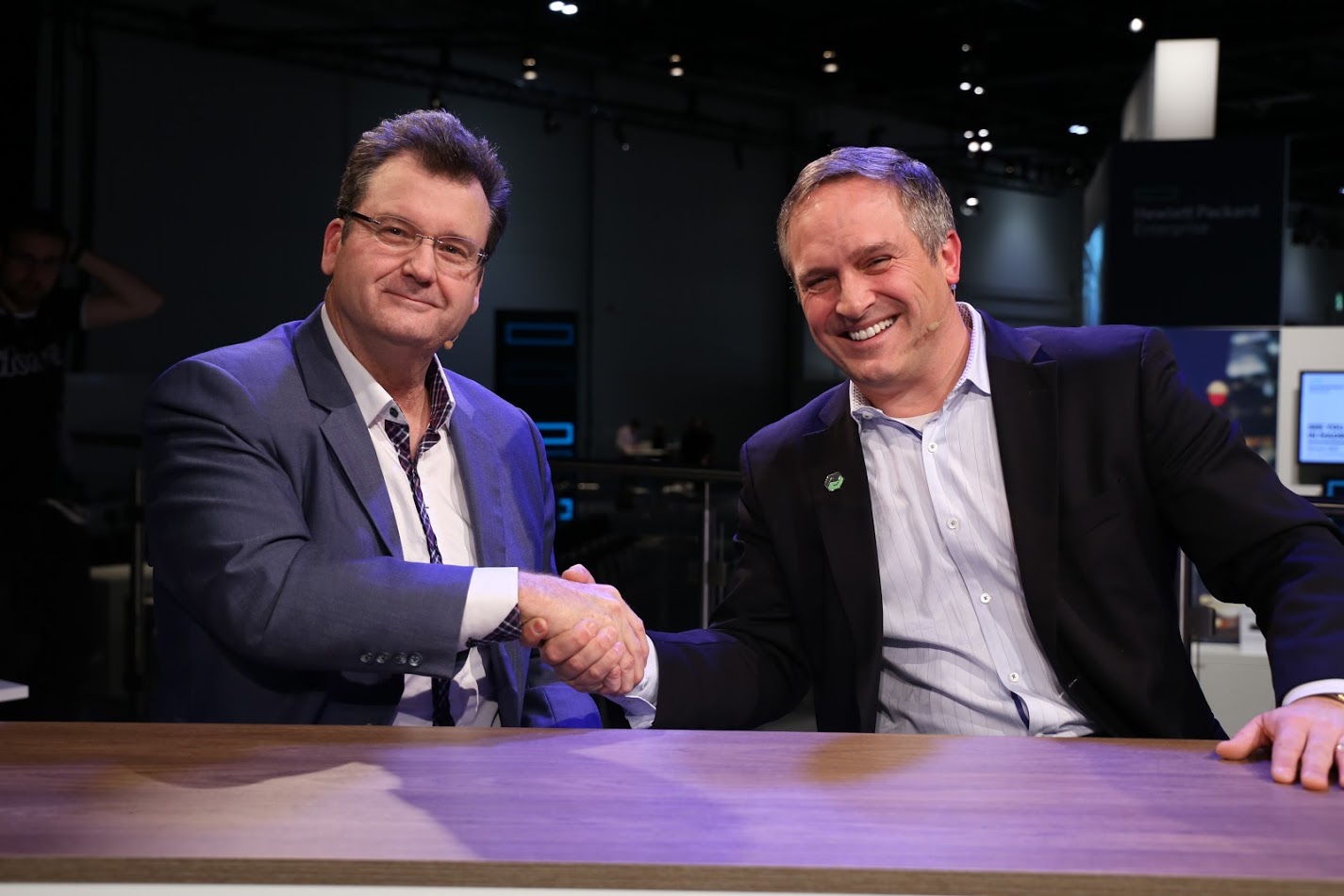
Tom Bradicich, Ph.D., VP and GM of server and IoT systems at Hewlett Packard Enterprise Co., and Howard Heppelmann, divisional VP and GM of connected manufacturing at PTC Inc., spoke to Dave Vellante (@dvellante) and Paul Gillin (@pgillin), co-hosts of theCUBE*, from the SiliconANGLE Media team, during HPE Discover EU. The duo spoke about the network and compute divide. (*Disclosure below)
“I believe that the curve in terms of power that’s driving compute is moving much faster today than the ability to transport data, and so that’s leaving this sort of value gap open,” Heppelmann said.
Bradicich said HPE’s Edgeline IoT system offers companies choices: compute at the edge, in the cloud or in a hybrid manner.
The growth of Big Data is outstripping the network’s ability to transfer it, he explained. “So, therefore, processing it and capturing it at the edge makes a lot of sense, because again, the pipe’s not big enough or it’s not economical enough to take it all the way back to the cloud,” he said.
Heppelmann added that it is not that computing at the edge is automatically better than sending data back to cloud. “If it’s a quality process on a machine, you don’t want to send the data to the cloud and wait for a certain response to tell you that something’s wrong with that,” he explained.
However, if you have a large number of machines of the same type, there’s value in sending a subset of that data once it’s been processed up to the cloud in order to look at them as a group, he concluded.
Watch the complete video interview below, and be sure to check out more of SiliconANGLE and theCUBE’s coverage of HPE Discover EU. (*Disclosure: HPE and other companies sponsor some HPE Discover EU segments on SiliconANGLE Media’s theCUBE. Neither HPE nor other sponsors have editorial control over content on theCUBE or SiliconANGLE.)
Support our mission to keep content open and free by engaging with theCUBE community. Join theCUBE’s Alumni Trust Network, where technology leaders connect, share intelligence and create opportunities.
Founded by tech visionaries John Furrier and Dave Vellante, SiliconANGLE Media has built a dynamic ecosystem of industry-leading digital media brands that reach 15+ million elite tech professionals. Our new proprietary theCUBE AI Video Cloud is breaking ground in audience interaction, leveraging theCUBEai.com neural network to help technology companies make data-driven decisions and stay at the forefront of industry conversations.





