 CLOUD
CLOUD
CLOUD
CLOUD







CLOUD

The imperative to move to cloud is challenging enough for companies struggling to make the initial move off-premise. Then there are analysts and vendors saying companies should spread assets across multiple clouds and shuttle data between them. In the event of a disaster, will all of this data in flux be recoverable?
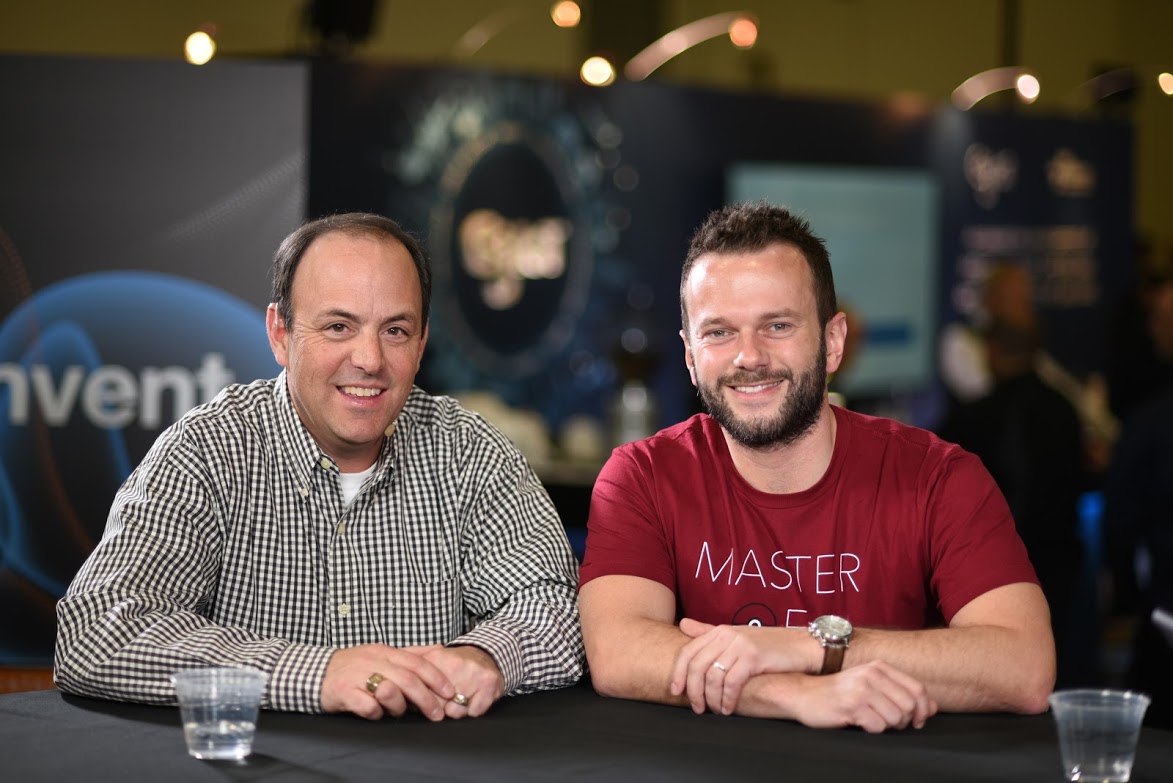
Joshua Stenhouse, technical evangelist at Zerto Ltd., and Bill Santos, president of Hosting.Com Inc., spoke to Stu Miniman (@stu), host of theCUBE*, from the SiliconANGLE Media, during the recent AWS re:Invent event about the roots of cloud and how they relate to disaster recovery. (*Disclosure below)
According to Stenhouse, the cloud (particularly AWS) was created to temporarily expand a data center to accommodate high demand occasions, like Black Friday. Disaster recover is in fact a strikingly similar use case for cloud, he said.
With the recent Zerto 5.0 release, Stenhouse said that they’ve addressed the disaster recovery in the agile multi-cloud environment with one-to-many replication.
“Simultaneously, you can replicate a VM [Virtual Machine] within your local data center, so you can restore directly to production,” he explained, “And you can take that same VM, replicate it to your secondary data center, to Azure, to AWS, and have all of those copies just seconds of lag behind production.”
Santos said that many of his company’s customers want to maintain a data center in parallel to their new cloud home or homes. However, they’ve been vexed by the inability to keep backups in all of these places.
“Zerto’s ability to do that now really creates a tremendous amount of flexibility both from a DR standpoint, but also from a migration standpoint,” he said.
Watch the complete video interview below, and be sure to check out more of SiliconANGLE and theCUBE’s coverage of AWS re:Invent. (*Disclosure: AWS and other companies sponsor some AWS re:Invent segments on SiliconANGLE Media’s theCUBE. Neither AWS nor other sponsors have editorial control over content on theCUBE or SiliconANGLE.)
Support our mission to keep content open and free by engaging with theCUBE community. Join theCUBE’s Alumni Trust Network, where technology leaders connect, share intelligence and create opportunities.
Founded by tech visionaries John Furrier and Dave Vellante, SiliconANGLE Media has built a dynamic ecosystem of industry-leading digital media brands that reach 15+ million elite tech professionals. Our new proprietary theCUBE AI Video Cloud is breaking ground in audience interaction, leveraging theCUBEai.com neural network to help technology companies make data-driven decisions and stay at the forefront of industry conversations.





