



 APPS
APPS
APPS
APPS
APPS

Law enforcement officials in the United States, Europe and Australia have arrested 34 people as part of a global crackdown on distributed denial of service attacks.
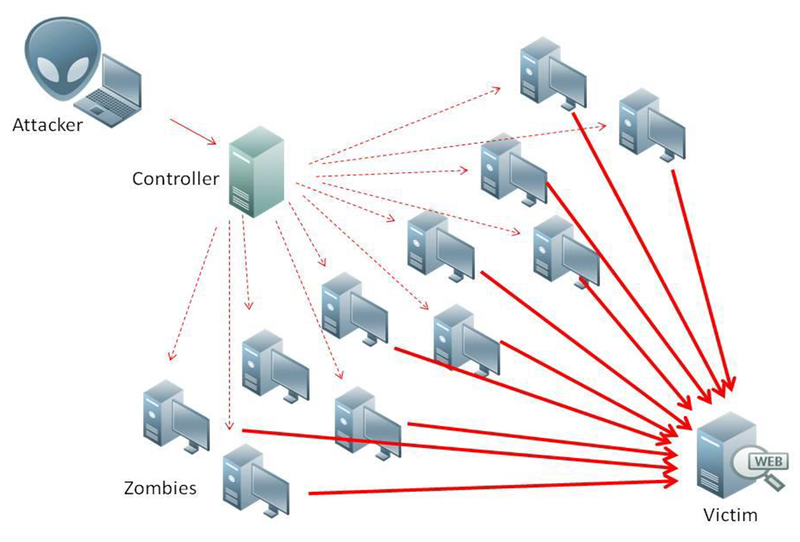
The arrests targeted buyers of DDoS-for-hire services, often using names such as “server stressers” and “booters,” who were paid on demand to maliciously deploy software to launch a DDoS attack. That involves targeting a web server is targeted with massive amounts of data, eventually making them inaccessible to others.
Among those arrested were Sen Sharma, a 26-year-old student graduate student at the University of Southern California, who was charged with cyber crimes for his role in a DDoS attack that knocked a San Francisco chat service company’s website offline. Many of those arrested were under the age of 20.
“Today’s generation is closer to technology than ever before, with the potential of exacerbating the threat of cyber crime,” Europol’s European Cybercrime Centre head Steve Wilson said in a media release. “Many IT enthusiasts get involved in seemingly low-level fringe cyber crime activities from a young age, unaware of the consequences that such crimes carry.”
Proving perhaps that criminals are not necessarily the brightest people on the planet, many booter service subscribers were found through their PayPal accounts, which were used to pay for attacks. Many of the buyers of DDoS-for-hire services were also found to use them to pull pranks, often in online gaming. For example, attacks were sent to a rival player’s IP address to cut the Internet connection from a game.
In addition to the 34 arrests, 101 more people were cautioned following the raids. Sharma faces up to 10 years in prison should he be found guilty.
… We’d like to tell you about our mission and how you can help us fulfill it. SiliconANGLE Media Inc.’s business model is based on the intrinsic value of the content, not advertising. Unlike many online publications, we don’t have a paywall or run banner advertising, because we want to keep our journalism open, without influence or the need to chase traffic.The journalism, reporting and commentary on SiliconANGLE — along with live, unscripted video from our Silicon Valley studio and globe-trotting video teams at theCUBE — take a lot of hard work, time and money. Keeping the quality high requires the support of sponsors who are aligned with our vision of ad-free journalism content.
If you like the reporting, video interviews and other ad-free content here, please take a moment to check out a sample of the video content supported by our sponsors, tweet your support, and keep coming back to SiliconANGLE.







