



 EMERGING TECH
EMERGING TECH
EMERGING TECH
EMERGING TECH

Alexa, who dunnit?
That question might sound somewhat facetious, but police in Bentonville, Arkansas, are attempting to do exactly that through a request to Amazon.com Inc. to release information that may have been recorded by an Echo device in the home of a suspected murderer.
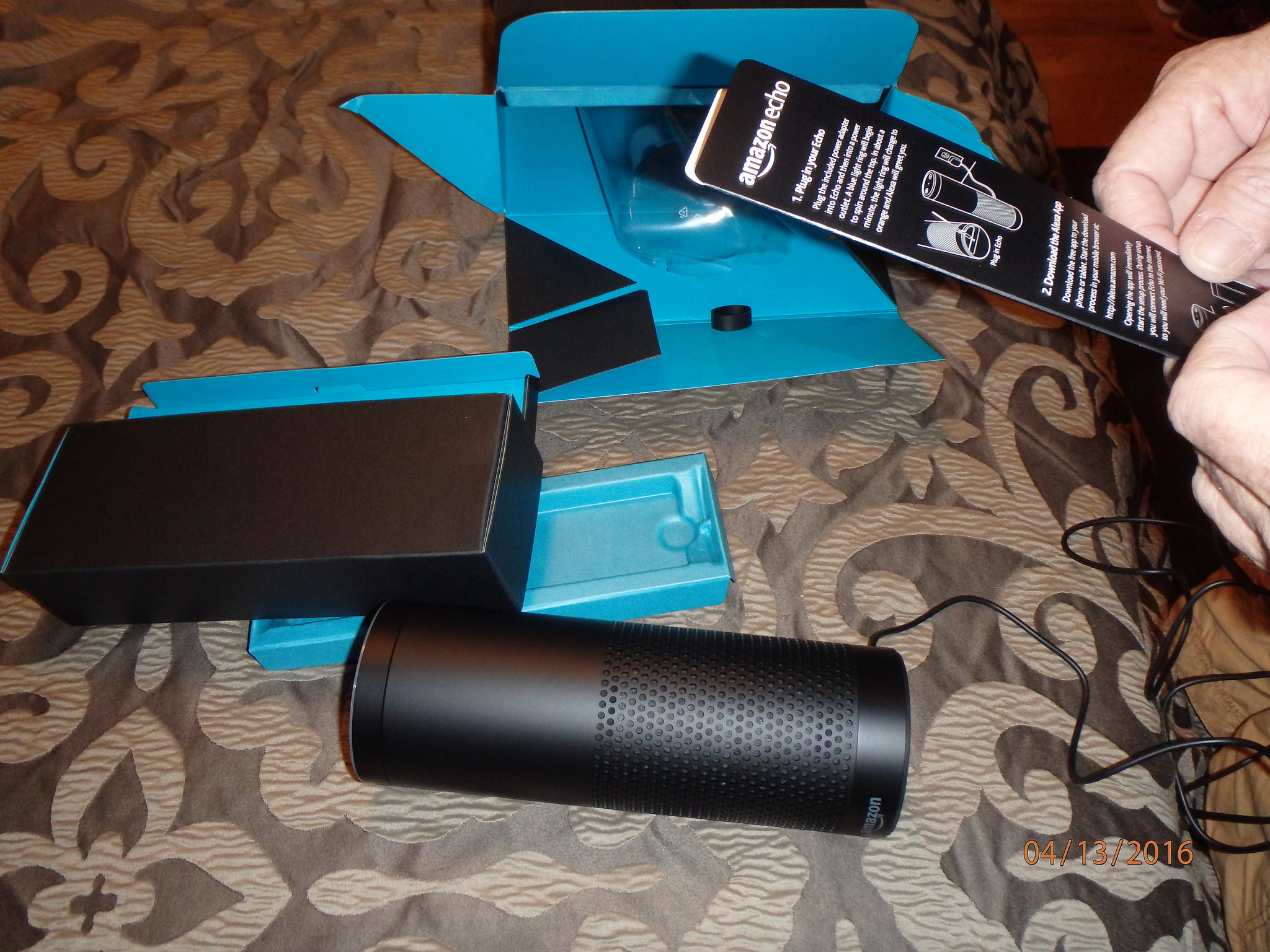
First noticed by The Information, the case involves the alleged murder of a man named Victor Collins who was found dead in a hot tub in the house of one James Andrew Bates. Bates, as it turns out, is a smart-home device fan and along with owning a Nest thermostat, Honeywell smart alarm system and a number of other devices, also owned an Amazon Echo.
Having noticed the voice activated Echo in the building, investigators issued a search warrant to Amazon demanding that the e-commerce giant hand over any audio recordings, text records, purchase history, or transcribed documents pertaining to Bates between Nov. 21 and Nov. 22, 2015.
Amazon stores all voice recordings made via the Echo on its servers so as to use the data to improve the service, meaning that even if a user deleted any data on the Echo device itself Amazon would still retain a copy of it. “It is believed that these records are retained by Amazon.com and that they are evidence related to the case under investigation,” police noted in their warrant.
Amazon declined to comply with the search warrant, deciding instead to only provide Bates’ account information, arguing that it doesn’t release customer information without a “valid and binding legal demand.”
“Amazon objects to overbroad or otherwise inappropriate demands as a matter of course,” the company said in a statement.
The need for investigators to obtain the information from Amazon may have been moot, however. The report claimed that they were able to extract information from the Echo at the murder scene itself, although how much they were able to extract and whether it was useful to the investigation is unknown. Amazon claims that the Echo only records commands after use the wake word “Alexa,” but the device itself is always listening for the command to be made.
The case raises issues around privacy and Internet of Things devices in the home, in particular when a combination of smart devices can potentially track anything and everything we do. “You have an expectation of privacy in your home, and I have a big problem that law enforcement can use the technology that advances our quality of life against us,” said Kimberly Weber, Bates’ defense attorney, told The Information.
Bates’ final undoing at his trial, currently scheduled for 2017, may actually come down to another smart device, a smart meter that showed him using an “excessive amount of water” during the time of the alleged drowning murder.
… We’d like to tell you about our mission and how you can help us fulfill it. SiliconANGLE Media Inc.’s business model is based on the intrinsic value of the content, not advertising. Unlike many online publications, we don’t have a paywall or run banner advertising, because we want to keep our journalism open, without influence or the need to chase traffic.The journalism, reporting and commentary on SiliconANGLE — along with live, unscripted video from our Silicon Valley studio and globe-trotting video teams at theCUBE — take a lot of hard work, time and money. Keeping the quality high requires the support of sponsors who are aligned with our vision of ad-free journalism content.
If you like the reporting, video interviews and other ad-free content here, please take a moment to check out a sample of the video content supported by our sponsors, tweet your support, and keep coming back to SiliconANGLE.






