



 EMERGING TECH
EMERGING TECH
EMERGING TECH
EMERGING TECH

Over the past few years non-military drones have been deployed for an increasing number of uses, delivering everything from medical supplies to 7-Eleven Slurpees. Now, they’re going to deliver … insurance assessments.
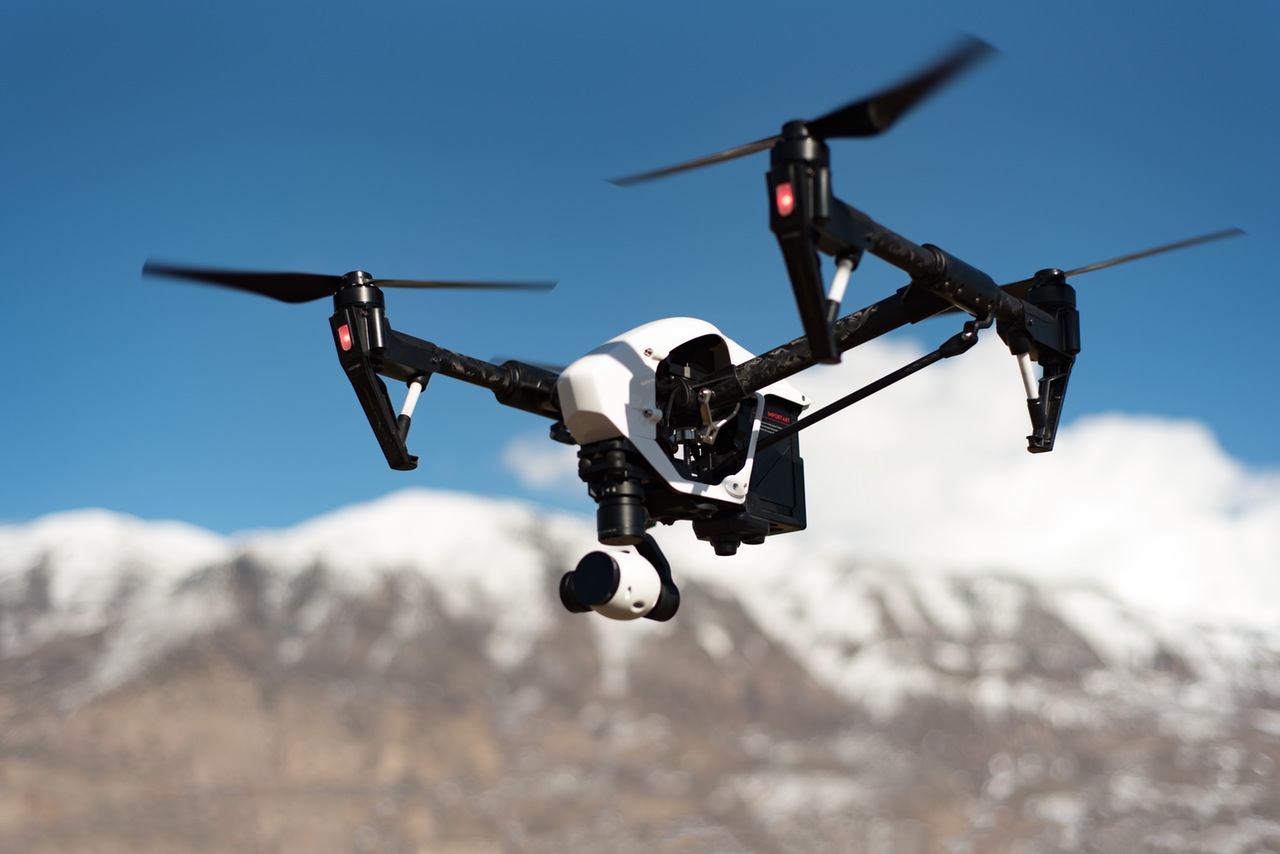
Australian-owned global insurance company QBE Insurance Group Ltd. is now using drones to better assess damage in disaster affected areas to process insurance claims faster. They have been deployed only twice so far, including following a 7.8 magnitude earthquake in Ecuador’s Manabi province in April that killed hundreds and injured tens of thousands of people. But the company is positive about future deployments, especially when access to disaster areas is restricted by government or physical restraints.
“Drones offer QBE immediate access to areas affected by catastrophic events, such as earthquake or flood, allowing us to provide early assessment of the extent of damage,” the firm said in its annual report released Monday Australian time. “We can then accelerate the claims process, identifying the resources and technical capability required to provide the necessary client support and deliver a more precise and accurate solution.”
In the case of the Equador earthquake, the company said use of drones allowed it to settle 90 percent of large claims within 90 days of the event, and that ongoing use of drones for insurance assessment purposes would reduce the cost of claims assessments and therefore result in reduced insurance premiums.
QBE is not restricting its use of drones only to disaster management. It’s also starting to use drones to help assess insurance claims within its agricultural insurance business where it needs to process claims from farmers suffering crop losses. “Pair drones with the image-recognition technology behind the painting emulation, for example, and QBE can perhaps better assess crop health after a violent storm,” an interview with staff from QBE’s Sun Prairie, Wisconsin, Innovation Lab noted.
On the charitable side, QBE is also supporting the Angel Drone project as a member of the Australian RPAS Consortium that is attempting to use drones to deliver blood plasma to remote parts of the Australian outback.
… We’d like to tell you about our mission and how you can help us fulfill it. SiliconANGLE Media Inc.’s business model is based on the intrinsic value of the content, not advertising. Unlike many online publications, we don’t have a paywall or run banner advertising, because we want to keep our journalism open, without influence or the need to chase traffic.The journalism, reporting and commentary on SiliconANGLE — along with live, unscripted video from our Silicon Valley studio and globe-trotting video teams at theCUBE — take a lot of hard work, time and money. Keeping the quality high requires the support of sponsors who are aligned with our vision of ad-free journalism content.
If you like the reporting, video interviews and other ad-free content here, please take a moment to check out a sample of the video content supported by our sponsors, tweet your support, and keep coming back to SiliconANGLE.






